

Global
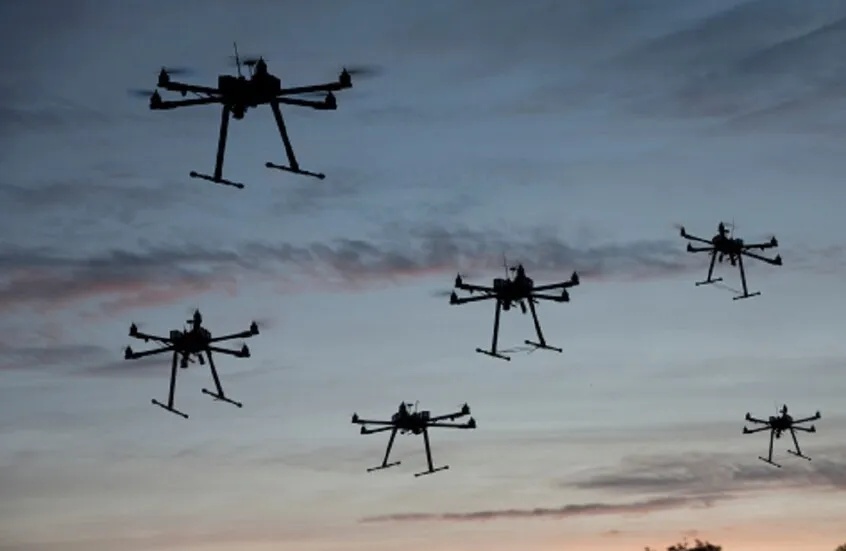
A U.S. pilot observed an unusual "jellyfish-like" formation of drones over Iran before his fighter jet was shot down, according to media reports. The pilot of a U.S. F-15 fighter jet - which was shot down over Iranian skies last April - revealed a shocking scene he witnessed before parachuting out. He observed a fleet of Iranian drones moving in perfect unison as a single unit in a "jellyfish-like" formation, with smaller drones flying beneath the larger ones like legs, describing it as a "minefield in the sky." The two-person crew survived; the pilot was rescued after hours, and the weapons systems officer managed to hide in the mountains for a full day before his rescue. Additionally, an A-10 aircraft was shot down during the rescue operation, and its pilot survived outside Iranian airspace. This incident marks the first time a U.S. aircraft has been shot down over Iran in this conflict, coinciding with the start of 60-day ceasefire negotiations between Washington and Tehran. The pilot's account sparked widespread debate within U.S. intelligence circles regarding whether he was witnessing advanced capabilities or merely an illusion, especially given that he had suffered a concussion and his aircraft had previously been shot down by friendly fire from Kuwaiti forces earlier in the war. Nevertheless, this formation points to a concerning development in Iranian capabilities, technically known as "interlaced networks," which allow a single operator to control multiple drones simultaneously. Although this capability was not included in previous intelligence assessments, reports suggest that Tehran is receiving support from China in developing this field. In this context, drone warfare expert Emma Bates warned of the significant danger posed by this formation, noting that confronting synchronized, booby-trapped drones capable of maintaining their formation and targeting what remains after the initial strike would incur exorbitant costs and result in many casualties.