

Global
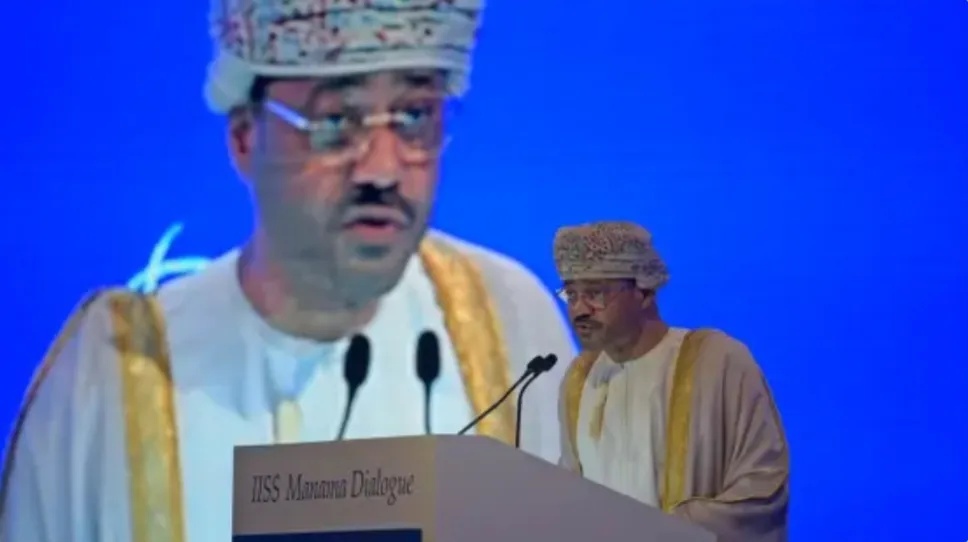
Omani Foreign Minister Sayyid Badr Albusaidi affirmed his country's adherence to ensuring that any future arrangements for the Strait of Hormuz remain within the scope of international law. This comes amid Iranian endeavors to impose fees, or what it describes as service charges, on maritime traffic through this vital waterway. Albusaidi clarified, in statements made to Monte Carlo International radio and published by the Omani Ministry of Foreign Affairs via its X platform on Monday, that Muscat does not support imposing any fees for passage through Hormuz. He stressed that the Sultanate of Oman is committed to international maritime law, which prohibits the imposition of any fees on international waterways. He also noted an existing consensus with the Iranian side that any future arrangements concerning Hormuz will not deviate from the international legal framework. These statements followed the first meeting of the Omani-Iranian Joint Committee on the Strait of Hormuz in Muscat, aimed at exchanging views on the future management of the passage. The Sultanate had adopted subsequent positions in recent days that drew varying interpretations. Following a visit by Iranian officials, Oman and Iran announced on Tuesday their intention to work on an agreement regarding the future management of navigation in the Strait, including related services and costs, according to a joint statement issued by the Omani Ministry of Foreign Affairs. However, Muscat later reaffirmed over the weekend that the arrangements related to Hormuz do not involve imposing "any transit fees," while also mentioning the launch of a "temporary maritime corridor" as an initiative coordinated with the United Nations. Conversely, Tehran maintains the idea of jointly managing this crucial strategic waterway with Oman, with the aim of generating significant revenue. It subsequently seeks to establish a mechanism for imposing what it has described as "service fees" on cargo ships in exchange for regulating maritime traffic.