policy
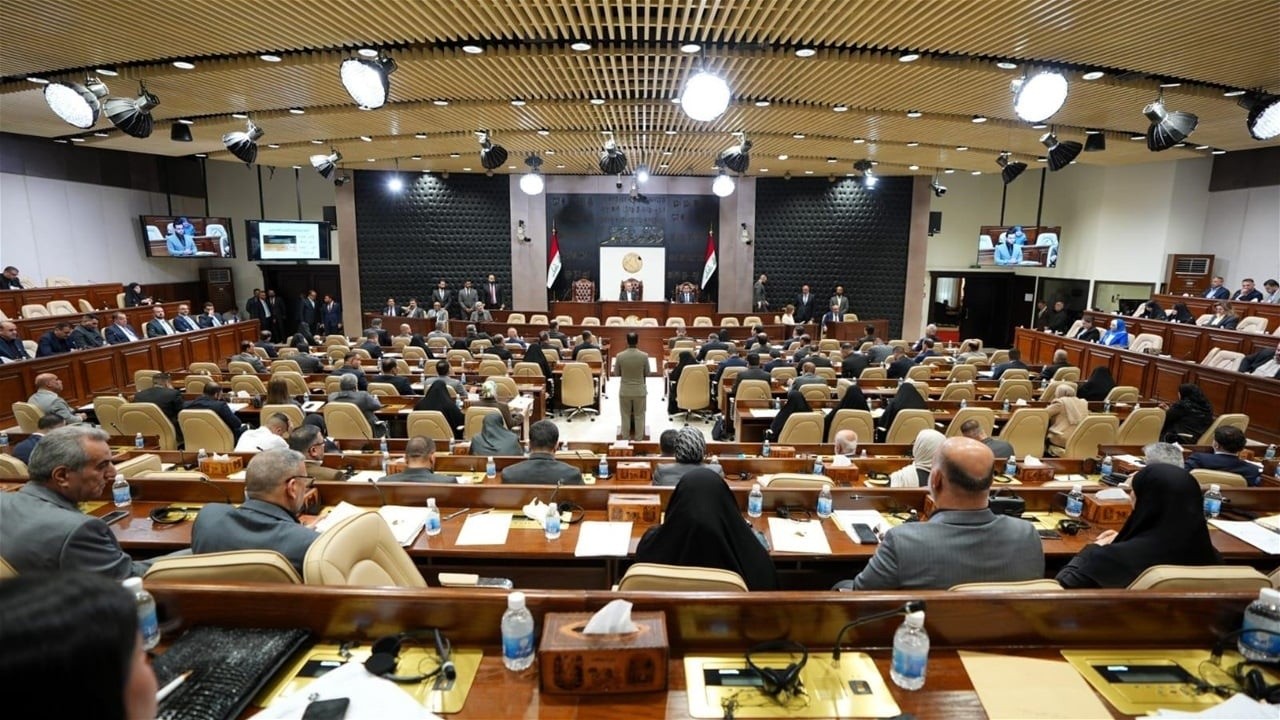
Parliamentary and governmental efforts in Iraq are heading towards strengthening the legal and regulatory frameworks to combat corruption and protect public funds, by preparing and completing the amendment of a number of legislations, most notably the Internal Audit Board Law and the Right to Access Information Law, amid parliamentary confirmations on the importance of integrating legislative, executive and judicial work to ensure the accountability of those involved and prevent impunity. The Chairman of the Parliamentary Integrity Committee, Taha Al-Dafai, said that the committee is following up on a number of files related to public services and urgent complaints received by it, in addition to cases of sluggishness in the implementation of service projects, indicating that these files require careful field follow-up and firm measures to address violations and limit the waste of public funds. Al-Dafai added that the role of the committee is not limited to following up on complaints and diagnosing flaws, but also includes developing the legislative system upon which regulatory institutions rely in performing their duties, pointing out that the committee is working on preparing a number of laws and completing their amendments, foremost of which are the Internal Audit Board Law and the Right to Access Information Law. He explained that passing these legislations would enhance transparency and develop accountability mechanisms within state institutions, in addition to supporting the ability of specialized authorities to monitor financial and administrative violations and follow up on government performance. For his part, MP Mohammed Al-Ziyadi stressed that the anti-corruption program represents the main pillar of administrative and financial reform, emphasizing that the House of Representatives supports the government's efforts in this field by providing political and legislative cover for steps aimed at enhancing integrity and holding culprits accountable. Al-Ziyadi pointed out that the continuation of anti-corruption efforts and achieving their goals requires providing the necessary requirements and tools, away from pressures or interventions that may hinder the path of reform, calling for the concerted efforts of the legislative and executive authorities, along with societal support, to consolidate the principles of transparency and accountability. In turn, MP Jassim Al-Alawi stressed the need to take deterrent measures against those involved in corruption files, affirming that protecting public funds and preventing their waste requires activating the role of regulatory and judicial institutions and ensuring the accountability of transgressors according to legal frameworks, without allowing impunity, regardless of positions and responsibilities. Al-Alawi expressed his support for the measures led by the Prime Minister in this direction, pointing to the importance of linking financial and administrative reform to effective economic plans that contribute to supporting the national market and stimulating economic activity, and ensuring that state resources are directed towards developmental projects that meet the needs of citizens and contribute to improving their living standards. In the same context, political analyst Mohammed Salah believed that combating corruption requires an integrated legal system put in place by the legislative authority, to be a basis upon which regulatory, executive and judicial institutions rely in determining responsibilities and following up on violations. Salah explained that the House of Representatives bears the responsibility of addressing legal loopholes that may allow some to evade accountability, indicating that legislating effective laws related to transparency and the right to access information will support oversight of the performance of state institutions and enhance the efficiency of public spending. He stressed that the effectiveness of legislations remains linked to the extent of their implementation on the ground and the presence of a serious political will to implement them, calling for enhanced coordination between parliament, the government, the judiciary and regulatory bodies, which contributes to protecting state resources, creating a more transparent economic and investment environment, and enhancing citizens' confidence in state institutions.