Global
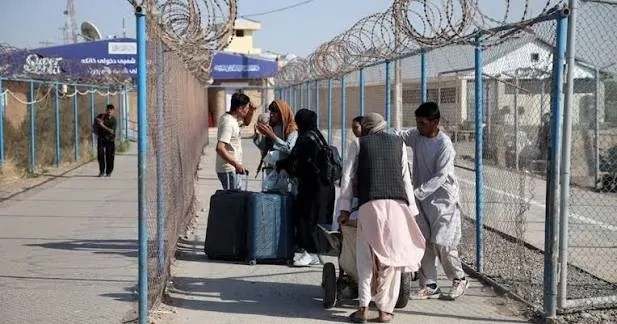
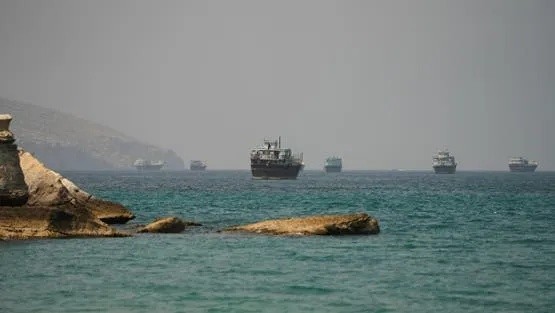
Deteriorating economic conditions in Iran are compelling thousands of Afghan refugees to return home, including Mohammad Saeed's family, who fled Afghanistan in 2021 after the Taliban seized control. After years of seeking safety and opportunities, returning has become the only option for many, as their Iranian rial savings lost over two-thirds of their value, shattering hopes for millions of Afghan families who found refuge from poverty and conflict in Iran for decades. Iran's vast industrial economy long served as a haven for Afghans fleeing poverty since the 1990s, and again after the Taliban's 2021 takeover. However, Iran's economy now faces a sharp downturn, leading many Afghans to view returning as their sole choice. This exodus includes entire families, wives, and daughters, despite severe Taliban restrictions on women in Afghanistan, including bans on education, travel, and certain professions. Observers visiting the Afghan border regions of Herat and Farah met returnees from Iran, most describing the Iranian economy as "collapsed." The Islam Qala border crossing between Iran and Afghanistan witnesses a continuous flow of returning refugees, with document verification and registration occurring in temporary shipping containers. Upon arriving in Afghan territory, returnees encounter arid desert and a rugged highway leading to Herat, western Afghanistan's largest city. Most returning Afghans confirmed months of unemployment and severe suffering from surging inflation before deciding to return. Iranian Statistics Center data indicated consumer price inflation rose approximately 90% year-on-year, exacerbated by tightened sanctions and a US naval blockade that recently hindered Iran's crude oil exports via the Strait of Hormuz. Food price inflation climbed to nearly 130%, making bread, milk, and other basic commodities unaffordable for many. According to Sayed Jawid Qazi Khani, a 40-year-old migrant, Afghan vendors previously made substantial profits in Iranian markets by selling goods at roughly double their purchase price. However, inflation and eroded savings for both Iranians and Afghan migrants have led to declining consumer demand. Qazi Khani asserts that "what remains is daily wage labor," often unchanged from a year ago. International Organization for Migration surveys showed only 29% of recently returned Afghans still possess savings, after their average income dropped by approximately one-third compared to pre-crisis levels. Over two million Afghans have departed Iran in the past two years. UN High Commissioner for Refugees data states most were either deported or pressured to leave before the current return wave began after the crisis escalated. Forced deportation remains a key reason for return, with unaccompanied men long being the primary focus of Iranian authorities. However, IOM data and returnees indicate current numbers increasingly include women and entire families, compared to pre-crisis levels. Many Afghan mothers and daughters who endured in Iran after the Taliban's ascent now face a difficult choice: confront extreme poverty there or return to a country where half of women leave home only once or twice a month, according to UN reports. Concurrently, the Taliban imposes strict restrictions on women, including bans on travel without a male guardian and certain professions. Abdul Ghani Qazi Zada, a senior Taliban official at the Islam Qala border crossing, reported 20 to 40 families, including women and girls, return voluntarily daily. He noted "the wages they earn are no longer sufficient to cover their basic living expenses." He also mentioned many Afghan workers complained Iranian employers don't pay their wages, emphasizing "everyone complains that they left their money there."