Global
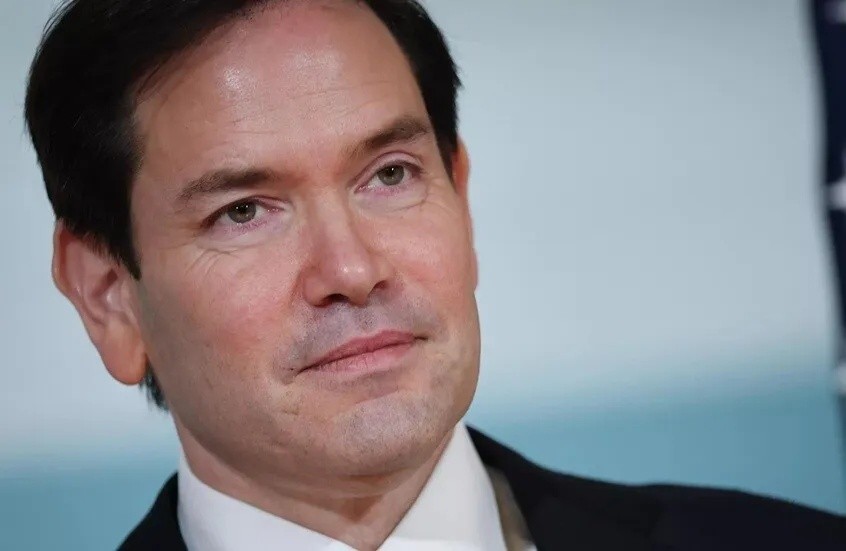
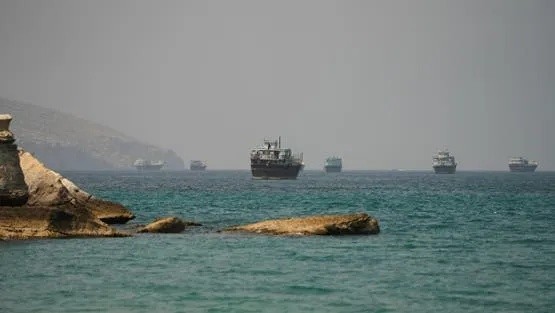
An informed official revealed that U.S. Secretary of State Marco Rubio played a crucial role in foiling a potential agreement to end the war with Iran, during negotiations in Pakistan involving Vice President J.D. Vance. According to NBC News, quoting the official, U.S. negotiators grew concerned during a marathon April meeting in Pakistan as Iran seemed to alter potential deal terms. During a break, they contacted Rubio for guidance. He agreed the Iranian offer was unacceptable, stating, "there would be no deal." The same publication highlights Rubio's deliberate avoidance of being the public face of peace talks, delegating trips to Vance and special envoys Steve Witkoff and Jared Kushner. However, channel data indicates the U.S. top diplomat operates as a "gray cardinal," reserving veto power over major decisions and the final word behind closed doors. NBC News also assesses Rubio as an influential member of President Donald Trump's administration, holding both Secretary of State and National Security Advisor roles, and spending more time with the President than any other minister. Direct negotiations between the U.S. and Iran for a truce failed in Islamabad last April, after 21 hours of talks with Vance's participation. Washington demanded Tehran abandon nuclear weapons and fully open the Strait of Hormuz. Iran, however, insisted on retaining control. The parties ultimately separated without agreement. These developments occur amidst an unprecedented military escalation regionally. U.S. Central Command announced targeting three Iranian oil tankers, including one off Kharg Island, in response to Iranian Revolutionary Guard attacks on U.S. warships.