policy
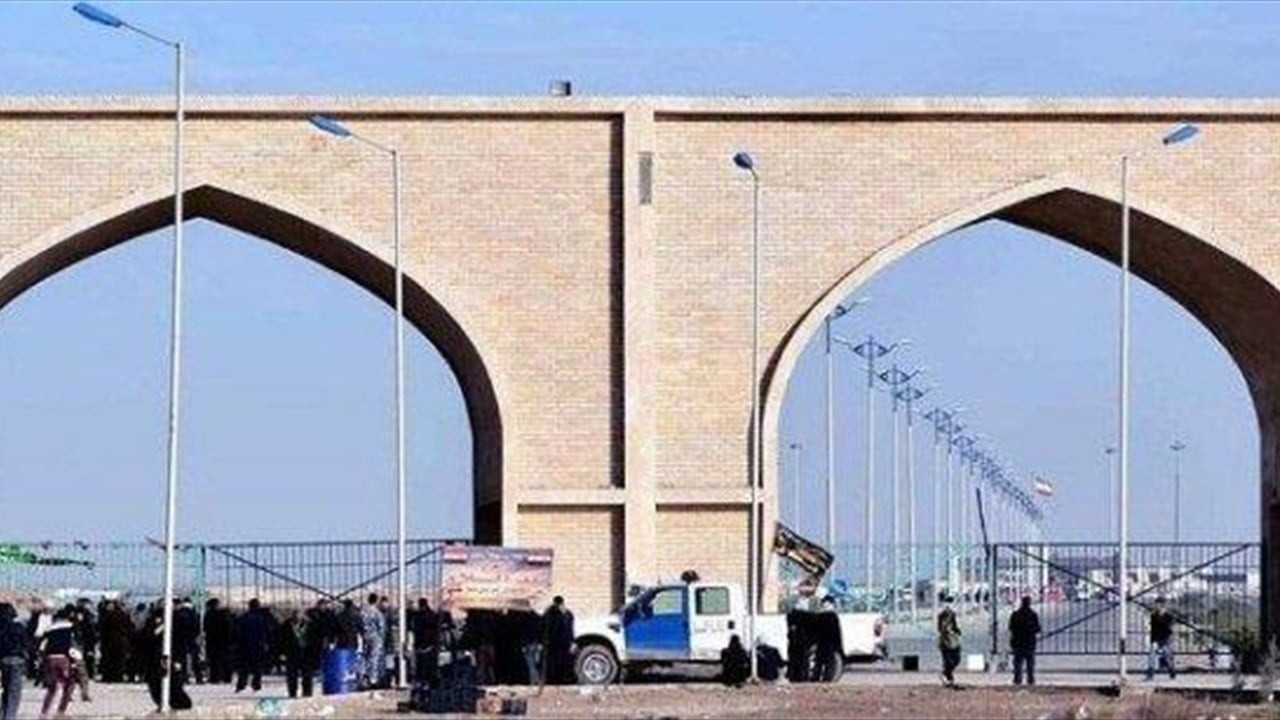
The closure of the Al-Shaib border crossing with Iran is part of increasing international pressures on Baghdad to tighten control over border crossings and financial flows, amid escalating internal disputes over the issue of arms control under state authority. This coincides with Turkey's announcement of the continued presence of its forces in northern Iraq, which strengthens the armed factions' justifications for retaining their weapons. The Iraqi government spokesperson explained that the closure was due to the crossing's lack of technical readiness, aiming to upgrade its infrastructure and enhance logistical efficiency, while trade continues through other crossings with Iran. However, this explanation conflicts with global reports indicating U.S. pressure on Baghdad to close more crossings to limit the movement of funds and goods benefiting sanctioned entities. Political sources indicated that Washington raised this issue with the Prime Minister during his visit to New York for the UN General Assembly meetings, while Iranian sources confirmed that crossings between the two countries remain open to travelers despite delays in truck movement. Strategic expert Mohammad Al-Ali analyzed that the closure is linked to shifts in border management and international financial pressures, with focus shifting from banking systems to stricter field measures at crossings. This places Baghdad before challenges of avoiding sanctions while maintaining trade and political relations with Tehran. Al-Ali warned that expanding such measures to other crossings could reshape border trade flows and increase pressure on economic sectors reliant on trade with Iran. Regarding the arms control file, it has resurfaced in political discussions, with the government insisting on a timeline to resolve it by mid-2027, threatening legal actions against entities obstructing decisions. Turkey's defense minister's announcement of the continued presence of Turkish forces in Iraq and Syria until full border security is ensured has reopened the debate on foreign military presence, reinforcing the reasons factions cite to refuse disarmament. Arrangements were announced for the gradual handover of the Bashiqah-Zilkan camp to Iraqi authorities, with a three-month timeline to end Turkish military presence, though Ankara links its steps to security developments. Iraqi parties consider that the ongoing presence of foreign forces should be prioritized for resolution over demands for faction disarmament. A faction leader rejected disarmament, viewing it as part of Iraq's defense system against occupation and terrorism, and described disarmament calls as a U.S. project aimed at weakening Iraq's defense capabilities. The director of the Future Center for Middle East Studies warned that the continued Turkish military presence provides factions with additional reasons to hold onto weapons under the pretext of resisting foreign presence. He cautioned that ongoing disputes over arms and borders could fragment intelligence efforts and create gaps exploited by terrorist groups, especially ISIS cells still active in rugged and border areas requiring continuous monitoring and intelligence coordination. Thus, the issues of closing crossings with Iran and international financial and trade pressures intersect with internal debates over arms control and foreign military presence, placing Iraq before simultaneous political, security, and economic challenges.