policy
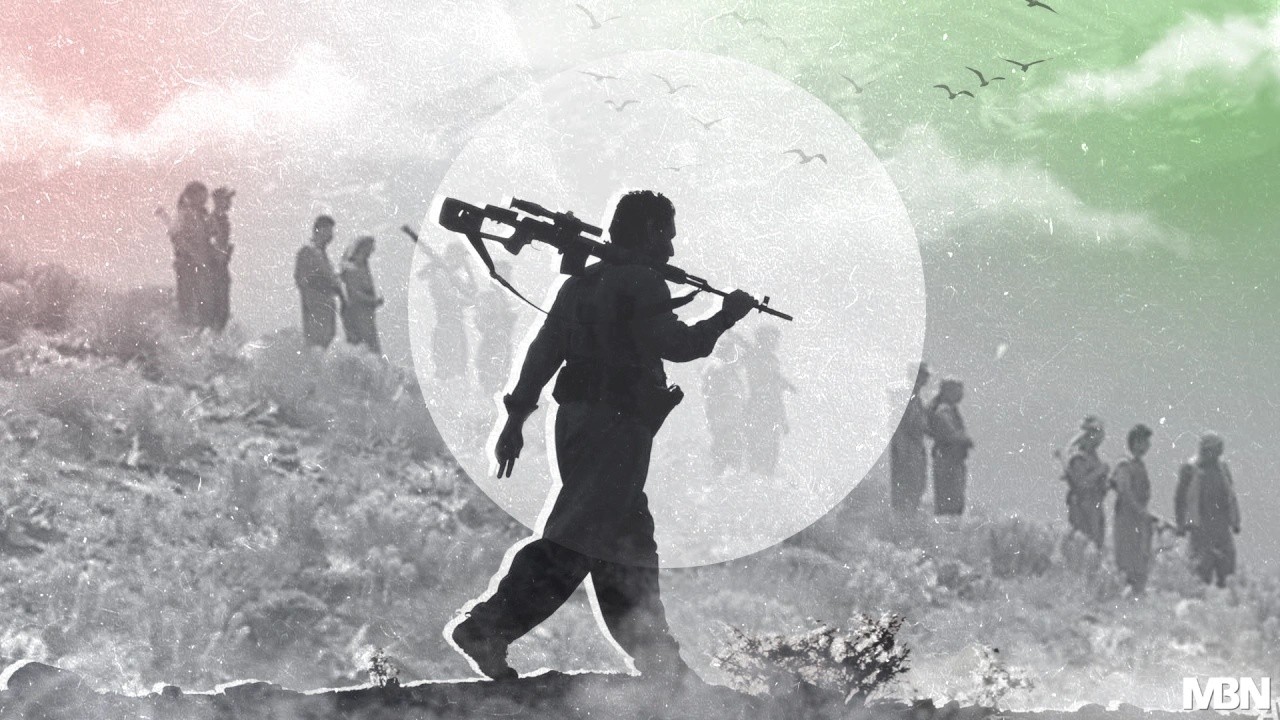
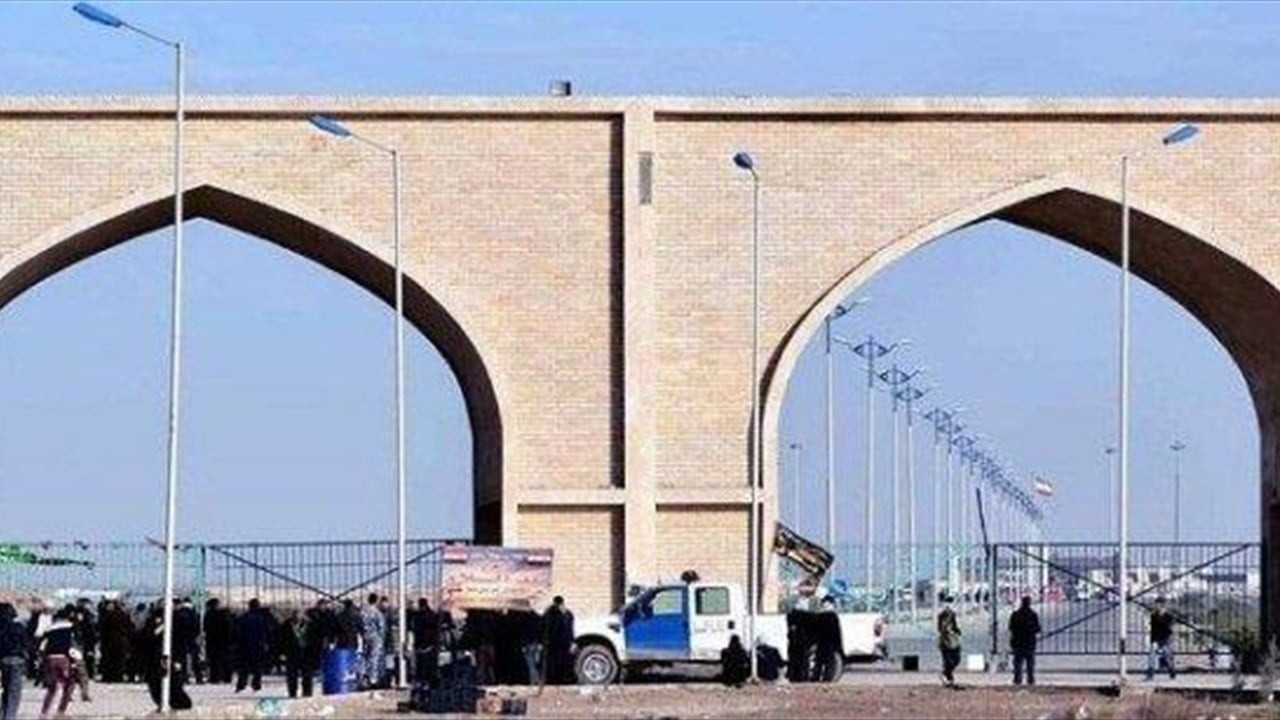
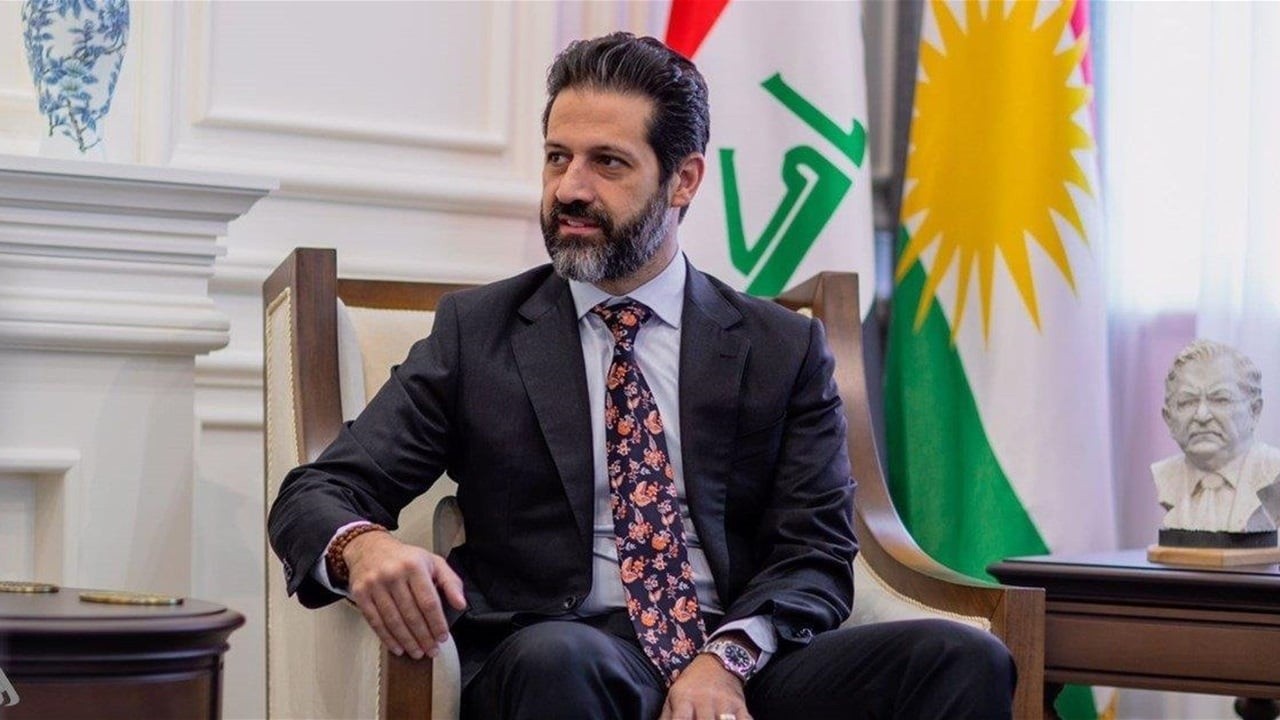
Political sources in Iraq have revealed moves aimed at addressing the issue of Iranian Kurdish opposition groups, including proposals to relocate their members and families from the Kurdistan Region to central and southern parts of Iraq. These steps come amid accelerated implementation of a security agreement between Baghdad and Tehran, with Iran insisting on ending the presence of these armed groups near the shared border. The Iraqi-Iranian border is witnessing significant shifts in a matter that Iran considers a longstanding security gap exploited by adversaries. Security coordination between the two countries is increasing to protect the border and address the presence of Iranian Kurdish opposition groups that use the mountainous region as a refuge. Following a joint security committee meeting, the Iranian ambassador to Iraq, Mohammad Kazem Al-Sadegh, announced an agreement to remove separatist terrorist elements from the Kurdistan Region or hand them over to Iran. This reflects Tehran's determination to end activities it views as sabotage aimed at destabilization, accusing the United States and Israel of supporting these groups. Observers note that recent developments indicate growing awareness among authorities in Baghdad and Erbil of the need to revise previous policies regarding these groups, responding to Iranian security concerns, especially as their bases have become a security and political burden on the region. Kurdish affairs researcher Ibrahim Al-Omadani stated that the move to distance the Iranian Kurdish opposition is part of prior security understandings between Baghdad and Tehran and reflects field pressures on the region. He added that the presence of these groups imposes security and political burdens on the regional government, particularly after missile and drone attacks targeted their sites, accompanied by stern Iranian warnings. He pointed out that the region seeks to avoid turning its lands into a battleground between Iran and the Kurdish opposition, considering the ambassador's statements as reaffirming security commitments Tehran expects from the Iraqi side. Meanwhile, the Kurdistan Democratic Party leader Wafa Mohammed Karim affirmed that recent meetings in Baghdad focused on adherence to the 2023 security agreement, and that Iranian opposition groups have been moved away from the border by distances ranging from 40 to 120 kilometers to isolated complexes. Conversely, the media advisor to the Kurdistan Democratic Party leader denied that Erbil or Baghdad received any official request to hand over or expel the opposition, confirming these groups' commitment to refrain from military operations across the border. Nevertheless, these assurances appear insufficient to Tehran amid escalating security risks and intensifying regional confrontation with Washington and Tel Aviv, whom Iran accuses of supporting armed Kurdish parties and using them in activities targeting Iranian territory. Political sources in Iraq disclosed that major political forces, especially the Coordination Framework, are discussing proposals to relocate members of the Iranian Kurdish opposition and their families from their current bases in Erbil, Sulaymaniyah, and Koysinjaq to central and southern areas. Al-Muthanna province, particularly Samawah city, is among the top proposed locations for establishing an isolated shelter and gathering center under federal government supervision, similar to previous experiences isolating security and political groups. This proposal aligns with Iran's strategic vision to deprive Kurdish armed forces of the mountainous border areas that facilitate infiltration and smuggling operations. This option could pave the way for addressing the status of these elements through refugee commissions or encouraging them to end armed activities. So far, no final official decision has been issued regarding the transfer of these groups and their families to Al-Muthanna province; the matter is presented as a proposal under discussion among Iraqi political forces. Security coordination between Baghdad and Tehran continues concerning the border, amid differing views on the necessary steps to address the presence of the Iranian Kurdish opposition in the region, between Iranian demands for broader measures and Kurdish assurances of adherence to security commitments and non-use of Iraqi territory for cross-border operations.