policy
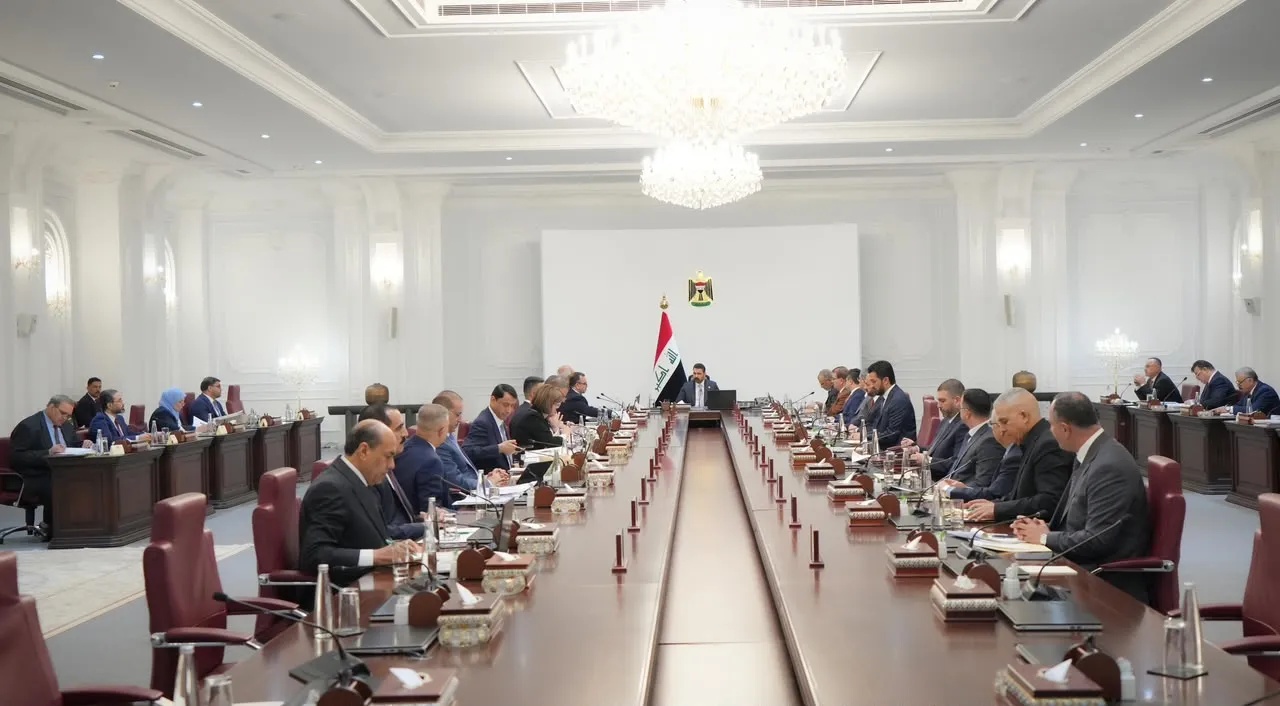
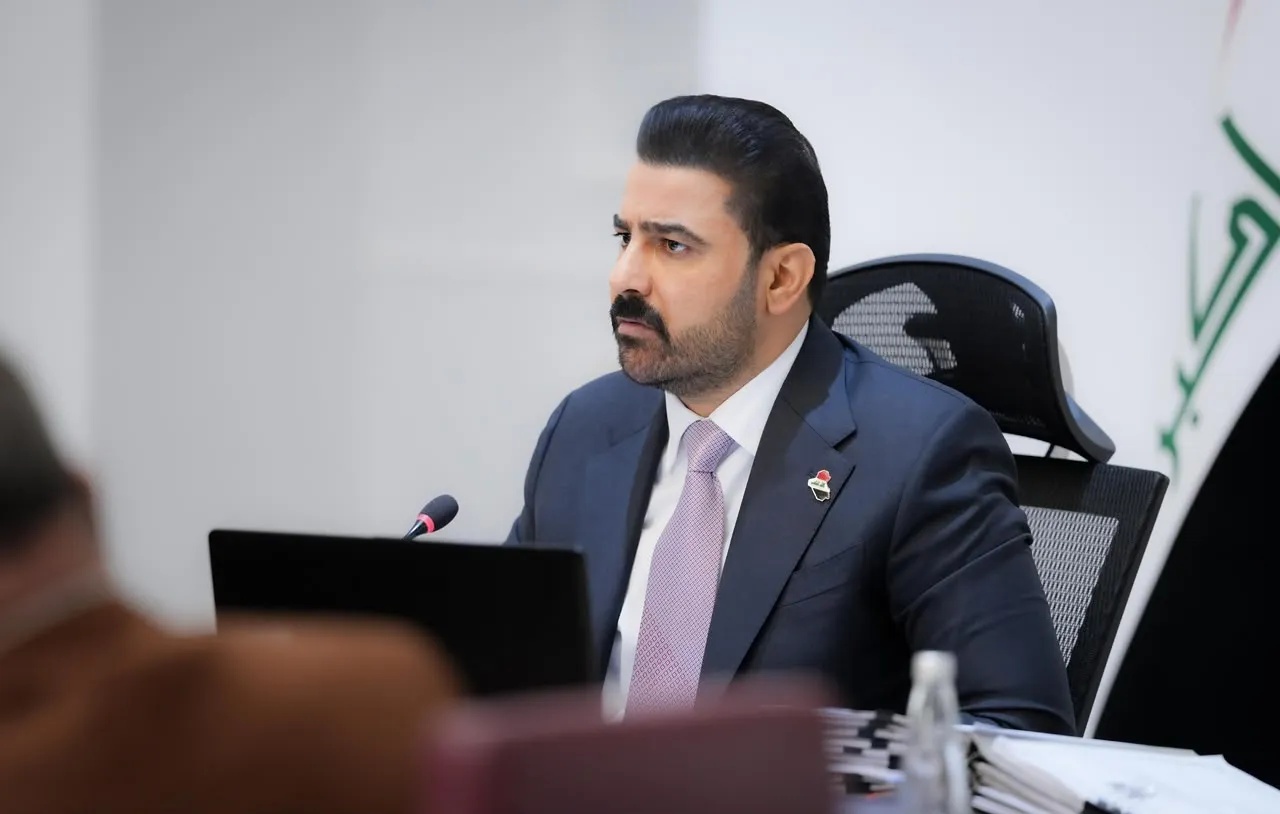
The Council of Ministers issued a package of new decisions today, Thursday, covering vital sectors such as electricity and oil, in addition to aspects of administrative reform. The media office of the Council of Ministers stated in a communiqué that the Prime Minister, Ali Faleh Al-Zaidi, chaired the thirteenth ordinary session of the Council today, Thursday. During the session, developments in the country were discussed, agenda items were reviewed, and necessary directives and decisions were taken. In the context of administrative reform and enhancing oversight, the Council approved the cancellation of Diwani Order No. (54 of 2026) and the dissolution of the committee formed thereunder. It decided to transfer the authority for pre-auditing government contracts to the Federal Board of Supreme Audit (FBSA), as the specialized body. The FBSA will undertake the pre-auditing task through its supervisory bodies operating in ministries, non-ministerially linked entities, and governorates, according to regulations that ensure unified reference and speedy completion. The Council also approved the "Pre-Auditing Guide for Government Contracts," adopting early coordination between contracting parties and supervisory bodies, starting from the stage of preparing contract documents and all stages of the contracting process. This procedure aims to address any observations before the completion of award procedures. The FBSA will classify contracts according to their nature, value, urgency, and risks, establishing binding timeframes for the completion of pre-auditing for each category. The decision stipulated that strategic and urgent contracts, as well as contracts exceeding one billion dinars, shall be audited within a period not exceeding 10 working days. The FBSA will continue to exercise its post-auditing authority according to prevailing legislation. Supervisory bodies in the relevant entities will complete the auditing of contracts currently referred to the committee formed under the Diwani Order from the stage they have reached, to prevent any delay in government contracts and projects. In a related context, the Council of Ministers endorsed the Eighth Annual Report of the Council for Combating Money Laundering and Terrorist Financing for the year 2025. It emphasized the importance of the Office continuing to take necessary measures to combat these two phenomena, in coordination with relevant supervisory bodies. In the electricity generation sector, the Council of Ministers approved a recommendation aimed at announcing the implementation of operation and maintenance contracts for the Rumaila and Shatt al-Arab power plants (simple cycle) through a public tender open to all companies, ensuring impartiality, transparency, and fair competition among bidders. A recommendation was also approved to amend Council of Ministers Decisions No. (264 and 278 of 2026), to include a provision obliging the Ministry of Oil to supply the necessary fuel quantities for the electricity supply contract for the northern region, starting from the contract's effective date on May 26, 2026. The Council approved an exemption for projects of the Ministry of Electricity, signed in accordance with Council of Ministers Decision No. (286 of 2026), from the directives of the Prime Minister, with a commitment to the estimated and indicative costs prepared by the Ministry. This exemption will be effective from the date of issuance of the aforementioned decision until September 15, 2026. The Council of Ministers also approved the exemption of heavy fuel oil produced at the Karbala refinery from the price specified by Council Decision No. (68 of 2026). It decided to continue adopting the previous price of (150) dinars per liter for two months, starting from July 1, 2026, until August 31, 2026, with a quantity of (7750) cubic meters per day, in addition to (6000) cubic meters per day of gas oil. To meet the needs of electricity generation stations for petroleum products, the Council voted to exempt contracts for the import and export of these products from the auditing procedures of the Federal Board of Supreme Audit, as well as the disposal of surplus products. This decision shall be implemented from its date of issuance until the end of special maritime conditions in the Gulf region, and the resumption of tanker entry and exit through the Strait of Hormuz, thereby ensuring the smooth loading of petroleum products in Iraqi ports, loading platforms, and floating tanks within territorial waters. The Council also voted to adopt draft laws submitted to the Council of Representatives, which the government considers a top legislative priority, in line with the needs of various state institutions and the ministerial program.