policy
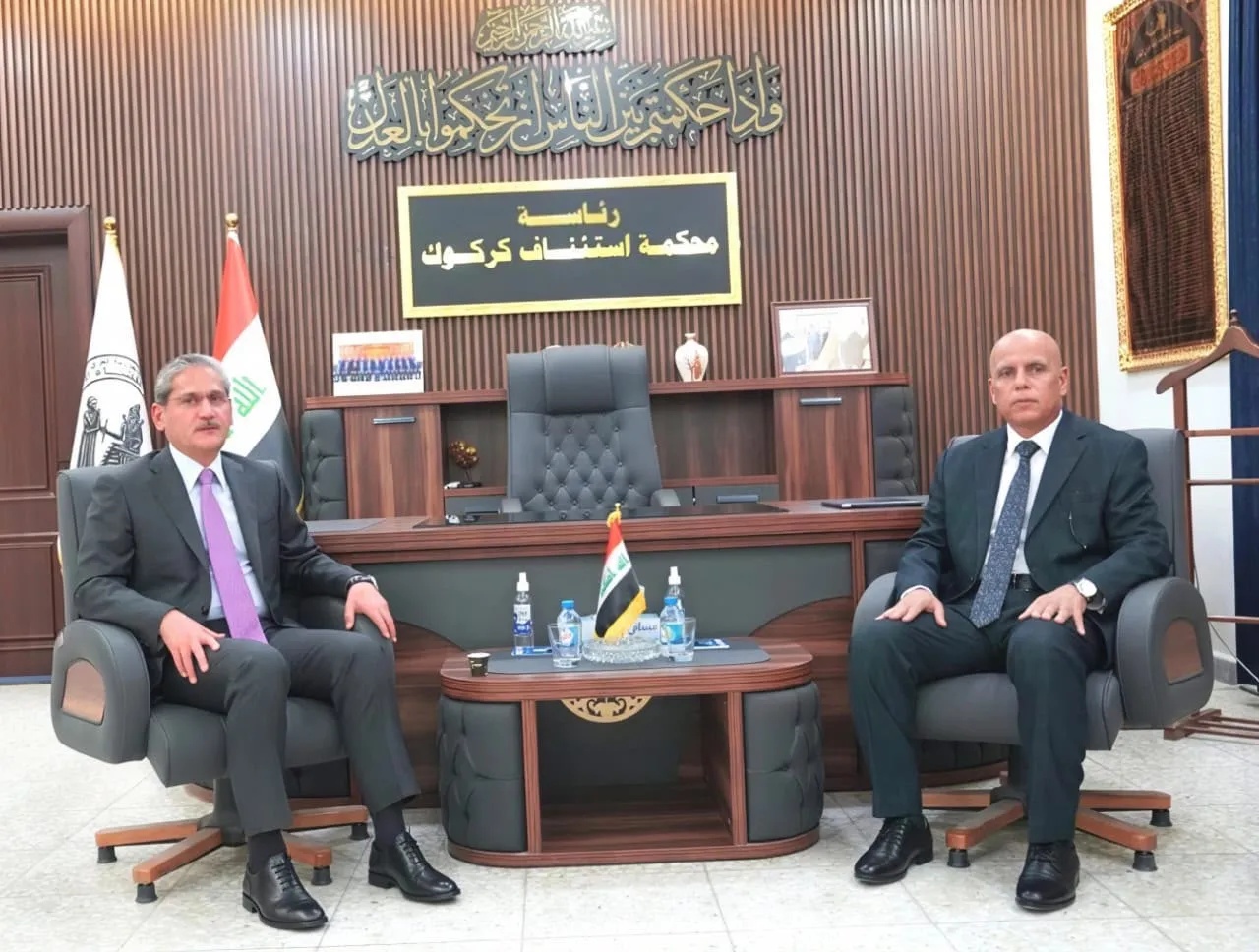
The Head of the Federal Commission of Integrity, Mohammed Ali Al-Lami, affirmed on Thursday in Kirkuk that public funds are a trust for all, and any transgression constitutes an assault on Iraqis' rights. Al-Lami stressed the Commission's work outcomes must deter anyone tampering with state resources, emphasizing that the corrupt will find no protection from the law's might, facing punishment and social isolation. This came during his meeting with the administration and staff of the Commission's investigation office in the governorate. He praised the qualitative operations and efforts in combating corruption, noting Kirkuk's model of Iraqi diversity. This necessitates concerted efforts to protect public funds and consolidate integrity values. He affirmed the Commission's support for its loyal staff and intolerance of any dereliction of duty. Al-Lami added that the Commission's weapon is the law, supported by public backing and coordination with the three branches of government and state institutions. This undermines illusions of impunity and enhances the state's capacity to confront corruption. He reiterated that no immunity or red lines exist before law application, as long as work proceeds within legal frameworks, avoiding personal targeting or development obstruction. He stated the meeting saw proposals to develop the investigation office's mechanisms and discussions on overcoming obstacles for investigative teams. This aims to accelerate case completion and enhance cooperation with relevant departments, achieving optimal results in combating corruption and preserving public funds. The Integrity Commission Head's tour included a visit to the Kirkuk Court of Appeal, where he met its president, Judge Qassim Mohammed Suleiman. They discussed enhancing cooperation between the Commission and the judiciary, accelerating corruption case resolution, and providing evidence for appropriate judicial decisions. Al-Lami affirmed the judiciary is a fundamental pillar in state-building and consolidating the rule of law. For his part, the Court President praised the cooperation between integrity judges and the Commission's investigation office in Kirkuk. He emphasized the judiciary considers cases based solely on evidence, devoid of other considerations. He added that both the judiciary and the Integrity Commission maintained independence and neutrality, steering clear of subjective influences and political conflicts.