
Global
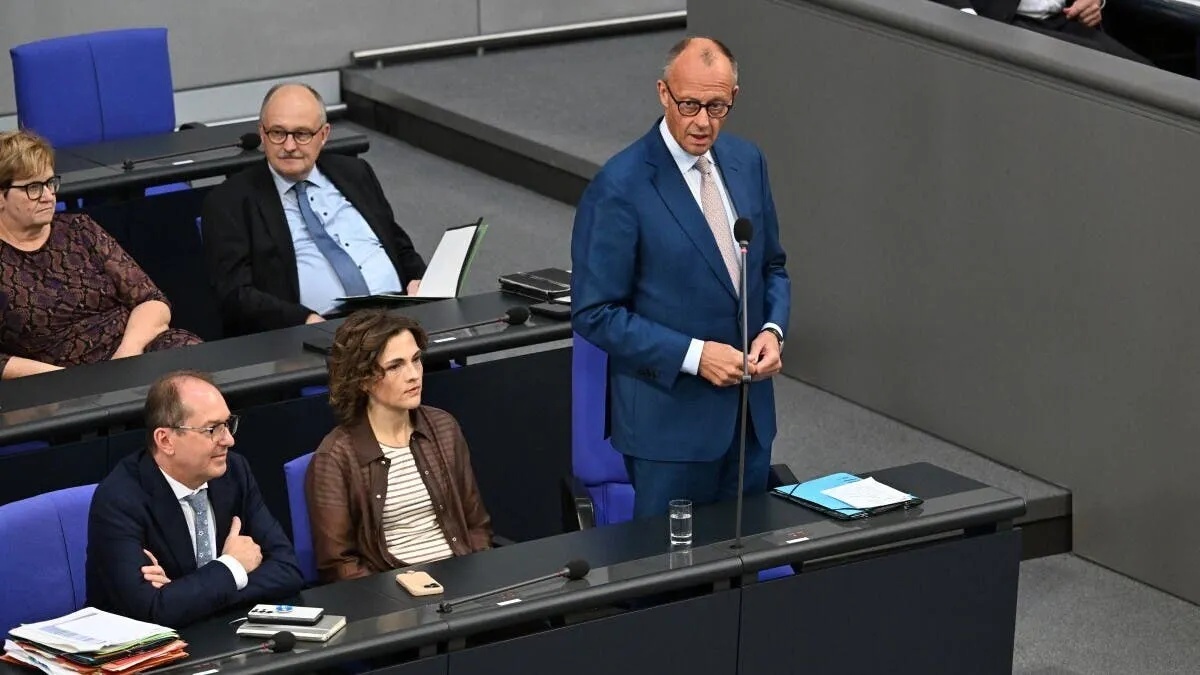
German Chancellor Friedrich Merz on Wednesday denied accusations that his government is seeking to normalize relations with the ruling Taliban in Afghanistan. Merz affirmed that ongoing communications with authorities in Kabul are strictly limited to necessary technical aspects, primarily related to the deportation of Afghan citizens. During a government questioning session in the German Parliament, Merz stressed that Berlin does not recognize the Taliban government and has no intention of establishing political relations with it, stating clearly: "We do not normalize with this regime." He explained that diplomatic relations between Germany and Afghanistan remain at the state level and have not been formally severed. However, the German government deals with current authorities in Kabul within very narrow limits, dictated by Germany's paramount national interests. The German Chancellor added that his government pursues "necessary technical cooperation" with the Taliban, primarily aimed at facilitating the deportation process for Afghan citizens who have been convicted of various crimes in Germany. Merz confirmed that this practical approach will continue to be implemented in the upcoming period. **Deportation File** Regarding the sensitive deportation file, Merz revealed that German Interior Minister Alexander Dobrindt is currently holding talks with representatives of the Afghan authorities to discuss mechanisms for returning convicted Afghans to their home country, expressing his full support for these efforts. The German government faces increasing pressure from various political parties to proceed swiftly with the deportation of migrants whose asylum applications have been rejected or against whom final judicial rulings have been issued. This pressure has escalated particularly after a series of security incidents that sparked widespread debate within the country. Afghans constitute one of the largest groups of asylum seekers in Germany and across Europe, making their return home one of the most sensitive and complex issues on the German political arena at present. **Taliban Diplomats** Merz's statements come just days after an announcement from the German Foreign Ministry, anticipating the arrival of an additional number of Afghan diplomats linked to the Taliban government in Germany. The German Foreign Ministry clarified that the primary objective of this step is to enhance and facilitate essential consular services, which include issuing official documents and passports necessary for implementing the planned deportation operations. Berlin decisively affirmed that all new consular staff will undergo strict and comprehensive security and administrative vetting before being granted entry visas to Germany. It further emphasized that these logistical and administrative procedures do not, in any way, signify political recognition of the current Afghan government. **European Criticism** These developments in Berlin coincide with a heated and growing debate across Europe regarding the optimal way to deal with the Taliban movement, ever since its return to power in Afghanistan in 2021 following the U.S. military withdrawal. While European Union countries continue to refuse formal recognition of the movement due to its concerning human rights record, especially concerning violations against the rights of women and girls, an increasing number of European governments have begun seeking practical and pragmatic channels of communication with Kabul to address vital issues such as migration and forced return of refugees. The current German position reflects a delicate attempt to balance its explicit refusal to grant the Taliban any international political legitimacy on one hand, with the necessity of practical cooperation with them on security, consular, and migration files imposed by facts and realities on the ground on the other hand.