Global
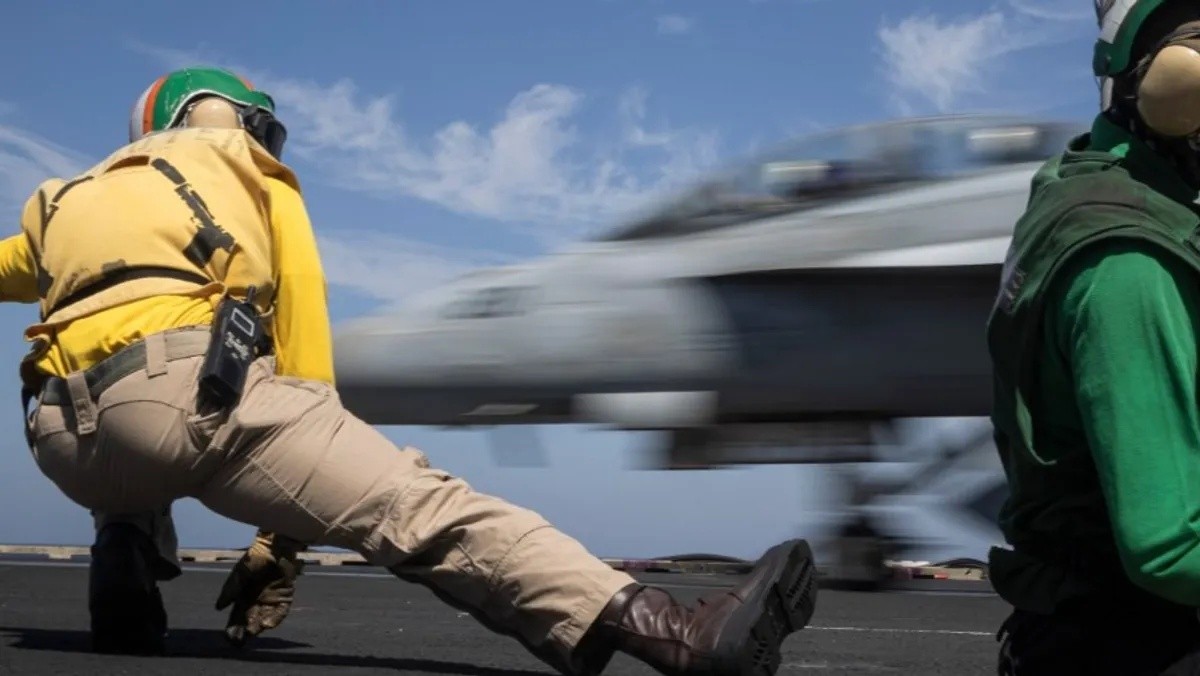
U.S. forces in the Middle East are preparing for large-scale military operations against Iran, targeting energy facilities, military sites, and nuclear installations, to be executed within 96 hours of an order from President Donald Trump. These preparations come as the U.S. administration considers options beyond limited strikes aimed at maintaining the status quo, while Israeli pressure continues to resume attacks amid concerns over Iranian retaliation and potential Houthi assaults on U.S. forces and facilities in the region. Two U.S. officials confirmed that current forces in the area are sufficient to carry out these operations, which may exceed the so-called "mowing the grass" limited strikes targeting Iranian assets that can be quickly rebuilt—a strategy Washington has followed since halting full combat operations earlier this year. One official described the upcoming operation as "large," and others familiar with internal discussions stated the issue is about the timing of the order, not whether it will be given. They believe the order could come anytime before the end of the year, with a higher likelihood after the U.S. midterm elections. Officials acknowledge that new operations may be more challenging due to Iranian forces becoming more aware of U.S. military tactics, potentially limiting the effectiveness of target destruction. Nonetheless, CENTCOM and the Pentagon are preparing an extensive list of potential targets, including Iran's energy infrastructure, military bases, and nuclear sites. President Trump has not finalized his post-midterm plan but appears inclined to authorize broad operations, despite previous instances of last-minute reversals. The White House declined to comment, while a senior Pentagon official stated the department is responsible for planning and executing military options as directed by the president. Risks of a full-scale war with Iran are increasing amid escalating security threats and political calculations. Recent U.S. intelligence assessments indicate Iran and the Houthis take seriously the possibility of renewed U.S. and Israeli attacks, with Tehran likely to respond swiftly by targeting U.S. personnel and facilities regionally and potentially beyond. Intelligence agencies have detected a significant increase in Iranian efforts to target U.S. individuals, with advanced plots in the Middle East and other countries. Officials believe Iran will not initiate preemptive escalatory attacks but will retaliate if first targeted. Regional risks posed by Iran and the Houthis are driving the U.S. to quietly reduce diplomatic and military presence in the Middle East. Plans to deploy non-essential U.S. military personnel to the region have been canceled. CENTCOM's commander visited the Strait of Hormuz, where U.S. forces continue to support navigation and exports through the vital waterway. The commander reaffirmed the U.S. commitment to ensuring freedom of navigation despite ongoing tensions. Oil prices remain high partly due to fears of potential Iranian attacks. A U.S. official described the current situation in the Strait as unsustainable long-term, potentially prompting military action if diplomatic efforts fail to progress. President Trump stated the only question regarding Iran is whether to make a deal or eliminate it, denying any imminent attack. He noted differing intelligence assessments on Iran and reported progress in dealing with Tehran. Israel is pressing for new attacks against Iran but has been asked by the U.S. to delay until joint operations can be prepared. The Israeli military chief warned that an attack before elections could harm Israeli elections. Israeli plans for immediate strikes have been postponed, with preparations ongoing for possible joint operations after U.S. midterms. Israel's need for U.S. missile defense support influenced the delay in new strikes. Intelligence assessments suggest Israel has not set a clear strategic goal beyond weakening Iran's regime, despite statements about regime change.