Eco
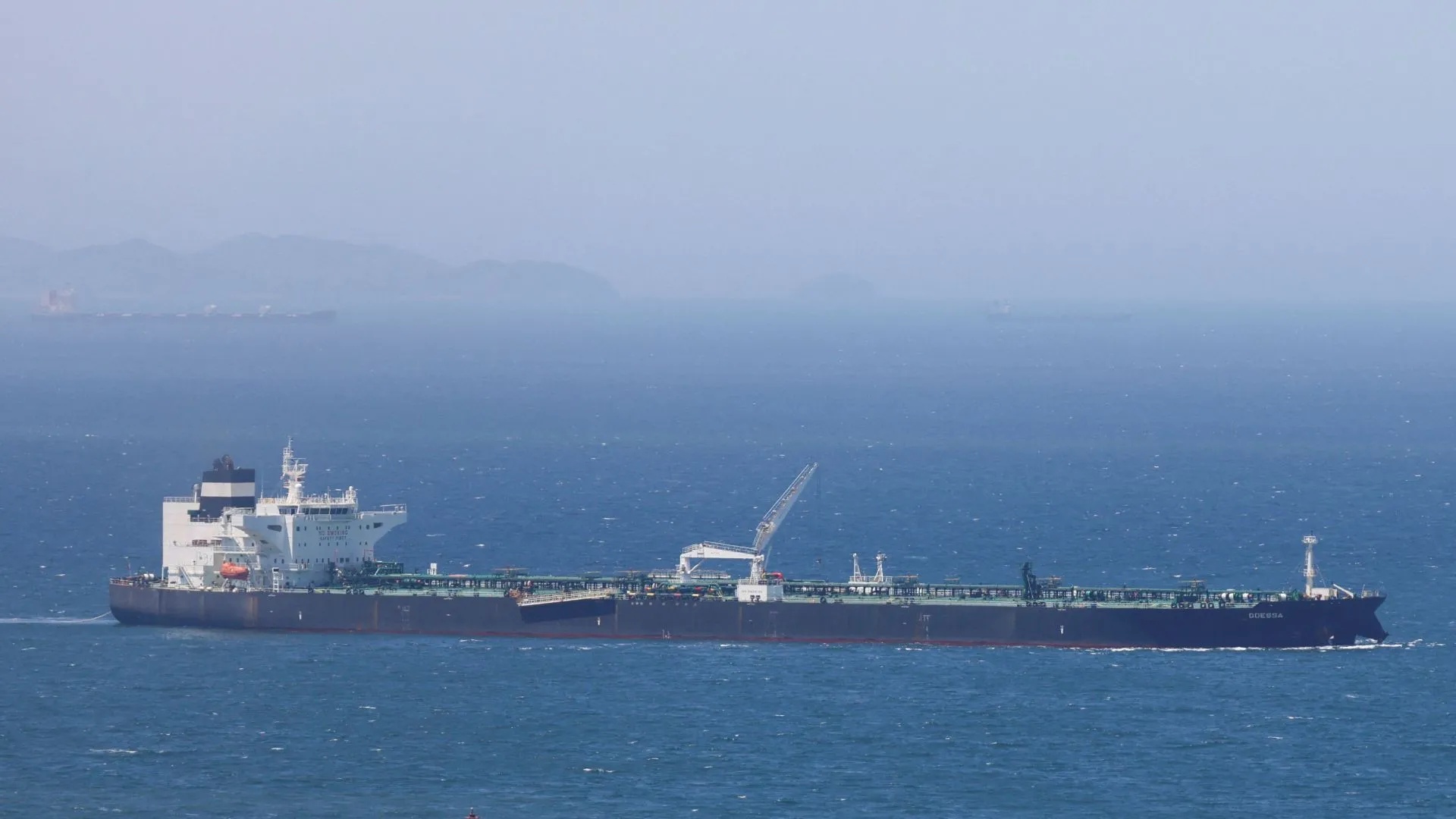
President Donald Trump has vowed to deliver devastating blows to Iran's economy, ahead of an anticipated announcement from US Treasury Secretary Steven Mnuchin that Washington will impose "unprecedented" measures on Tehran, possibly within days. Mnuchin is scheduled to hold an important press conference to discuss these developments. The United States, the United Nations, and the European Union have long imposed sanctions on Iran, including trade embargoes and asset freezes, since the late 1970s due to its nuclear program, human rights violations, and support for armed groups. Since the escalation of tensions with Tehran, Washington has intensified its pressure by implementing additional sanctions on the maritime, energy, and financial sectors, initiating what is described as a naval blockade. Data from the US Treasury Department's Office of Foreign Assets Control (OFAC) indicates that over a thousand individuals, vessels, and aircraft have been sanctioned since the start of Trump's second term. The latest measures targeted Iran's "shadow" oil fleet, several marine insurance companies, and entities and individuals facilitating Tehran's acquisition of weapons, as well as digital exchanges. This led to the freezing of an estimated $500 billion in cryptocurrency linked to Iran. For its part, Tehran has condemned US plans to announce new sanctions, which could further strain its economy. This comes amidst a near halt of oil shipments in the Strait of Hormuz, where Iran threatens to strike any unauthorized oil tankers attempting to cross this vital waterway. The Iranian economy is already suffering immense pressure from existing sanctions. Experts have outlined other options the Trump administration could explore to further pressure Iran: **Sanctions on Chinese "Teapot" Refineries** Independent Chinese refineries, known as "teapots," account for roughly a quarter of China's total refining capacity and operate on narrow, sometimes negative, profit margins. Kepler analytics data for 2025 shows that China purchases over 80% of Iran's oil exports. These independent refineries play a significant role in this trade, making them vulnerable to secondary sanctions targeting entities that assist primary sanctioned parties. Previous US sanctions have deterred larger independent refiners from purchasing Iranian oil. However, sanctions experts suggest that smaller independent refineries are relatively immune due to their limited ties to the US financial system. **Sanctions on Chinese Banks** OFAC has previously imposed secondary sanctions on smaller entities based in China and Hong Kong, accused of conducting multi-billion dollar transactions linked to Iranian oil and assisting in financing arms purchases. The US Treasury Department warned two major Chinese banks that they might face secondary sanctions if Iranian funds were found to be passing through their systems, though it stopped short of adding them to the sanctions list. Sanctions experts indicated that targeting these two banks, whose names US officials did not disclose, or imposing other sanctions, could have a chilling effect on larger financial institutions. However, they also cautioned that such targeting might provoke retaliatory actions from Beijing. Trump administration officials sought to de-escalate tensions between Washington and Beijing ahead of an anticipated meeting between Trump and Chinese President Xi Jinping. US officials fear that China might reduce exports of critical minerals essential for advanced technology production, especially as the United States and its Western allies are still working to develop their own supplies of these materials. **"Whack-a-Mole" Strategy** The United States could continue to target Iranian individuals and entities, as well as other parties in China and the Gulf region, who help Tehran circumvent sanctions to raise revenue for its efforts. The US Treasury recently sanctioned companies established to facilitate Iran's exchange of oil revenues for imports. However, Brett Erickson, director at Obsidian Risk Advisers consultancy, described such measures as a "whack-a-mole" approach, noting that they haven't altered Iran's behavior, as Tehran simply establishes new entities to replace those subjected to sanctions. Miad Maleki, a sanctions expert at the Foundation for Defense of Democracies, added that the Treasury Secretary is likely hinting at stricter enforcement of sanctions on oil shipping companies, buyers, and currency exchange operators who assist Iran in paying for its imports. He also confirmed that imposing further sanctions on the aviation sector remains an option, aimed at weakening Iran's ability to transport trade, particularly after the US imposed a blockade on shipping traffic through the Strait of Hormuz. **Land Blockade** Some US and Israeli officials have raised the possibility of imposing a land blockade on Iran, which would require assistance from Iran's neighbors: Iraq, Turkey, Pakistan, Afghanistan, Turkmenistan, Azerbaijan, and Armenia. The Trump administration enjoys varying degrees of close relationships with all these countries except Afghanistan, but its mountainous borders are exceedingly difficult to monitor regardless. Washington might hold leverage over Pakistan, which recently sought a $10 billion currency swap line from the US Treasury Department, and over Turkey, which is seeking readmission to the F-35 fighter jet program. A land blockade would increase pressure on the Iranian population by halting imports of food, energy, and textiles. However, experts warn that implementing this step would be challenging and might not lead to internal protests or pressure to the extent anticipated. **Secondary Tariffs** Trump repeatedly threatened to impose tariffs on goods from countries trading with Iran, even though the Supreme Court had invalidated the legal basis for such tariffs. Days earlier, the US Senate passed a broad sanctions bill against Russia, which included new sanctions on Iran. This legislation would grant Trump new tariff authorities that could be used against countries aiding Iranian trade and arms purchases. The bill still requires approval from the US House of Representatives, which could face difficulties amid widespread concerns among Democrats and some Republicans regarding broad tariff measures.