Global
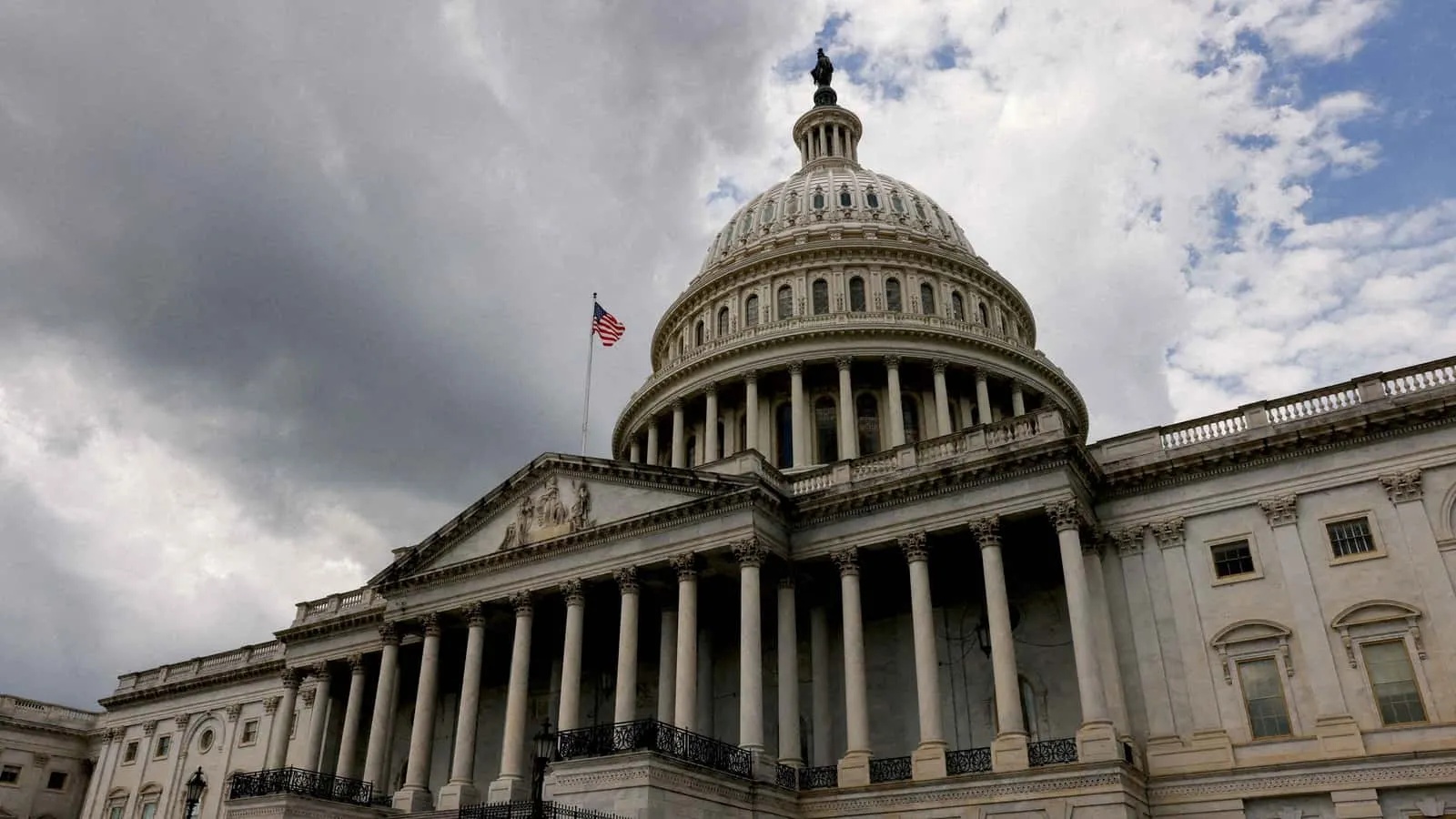
The U.S. Senate took new action on July 29 to strengthen economic pressure on Moscow and expand sanctions on Iran. This followed Ukrainian President Volodymyr Zelensky's appearance at a Senate session a day earlier, where a broad vote favored advancing stricter sanctions against Russia. Senators voted 84 to 12 to advance a bill imposing tougher sanctions on Russia for its 'full-scale invasion' of Ukraine, and extending key sanctions on Iran for five additional years. This bipartisan vote, 86 to 12 in an earlier procedural vote, reflects wide support despite ongoing disagreements on certain legislative provisions. Named the 'Lindsey Graham Act to Sanction Russia and Iran,' the bill honors the late Senator Graham, becoming part of his political legacy as a leading congressional advocate for military and political support to Ukraine. Senate Majority Leader John Thune noted Graham worked on the bill 'the day he died,' affirming its importance to the late Senator's legacy. Regarding Russian energy revenues, Thune stated in the Senate that the bill targets what Republicans deem Russia's greatest strategic vulnerability: revenues from its oil and gas exports. The South Dakota Senator explained the legislation grants the U.S. President authority to impose tariffs up to 100% on major Russian energy buyers, alongside sanctions on banks, officials, and companies facilitating these exports. Thune highlighted China's role, describing Beijing as the largest buyer of Russian oil and gas. He views the pre-2022 invasion partnership between Moscow and Beijing as having evolved into direct economic support for Russia's war efforts. Republican Senator John Barrasso described the bill as a comprehensive geopolitical response beyond the Ukraine war, pointing to an 'axis of aggression' comprising Russia and Iran. Barrasso specified the sanctions package targets Russian leadership, 'shadow fleet' oil tanker fleets, major Russian energy importers, and countries aiding Moscow in circumventing existing sanctions. He affirmed energy exports are Russia's military campaign's financial engine, calling them 'Putin's cash cow' and its 'greatest vulnerability.' Barrasso also noted China is the largest purchaser of Russian energy, followed by India, stating the legislation targets nations whose continued purchases fund Moscow. Further, Barrasso focused on increasing military cooperation between Iran and Russia, noting both countries now share sanction-evasion networks and use secret oil fleets. He added Moscow and Tehran 'built an axis of aggression together,' believing sanctions on Russian and Iranian oil buyers would impact both governments simultaneously. Attention now shifts to the U.S. House of Representatives. It already passed a separate Russia sanctions bill by Democratic Representative Gregory Meeks but may consider the Senate's version later this year. Democratic Senator Richard Blumenthal, a key architect of the Senate bill, expressed confidence in House approval, citing President Trump's support as enhancing its passage chances. Blumenthal stated Meeks' bill is 'a good measure but it will not pass,' explaining the Senate proposal features stronger sanctions and avoids funding provisions potentially lacking Republican support. Senate Foreign Relations Committee Chairman, Republican Senator Jim Risch, added that significant bipartisan Senate support should influence the House's consideration of the legislation. Despite broad bipartisan backing, the bill faces limited opposition within the Senate. Twelve senators voted against advancing the legislation, including 11 Democrats or independents, plus Republican Senator Rand Paul. Discussions on amendments could extend into next week if Senate leaders fail to agree on the debate mechanism.