
Global
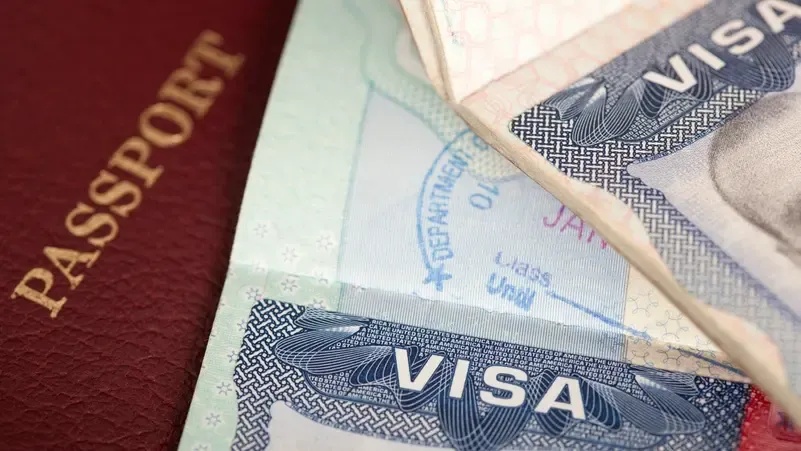
The United States has approved a new visa bond program, a measure that may require some applicants for tourist and business visas to deposit a financial guarantee of up to $20,000 before being permitted entry into U.S. territory. A notice issued by the U.S. State Department indicates that this program will apply to a specific category of applicants for B1 and B2 visas, designated for business and tourism trips, encompassing citizens from 50 countries, most of which are located in the African continent. Under this decision, consular officials will have the discretionary authority to require applicants within the program to deposit a financial bond of up to $20,000 as a prerequisite for visa issuance, based on their individual assessment of each case. This measure follows a pilot program launched by the U.S. administration in 2025, aimed at evaluating the effectiveness of the visa bond system. During that trial, consular officers were permitted to impose financial bonds ranging from $5,000 to $10,000 and $15,000. However, the final version of the decision eliminated the $5,000 minimum threshold and raised the maximum bond amount to $20,000. The program is slated to become effective on August 3rd. The State Department clarified that the previous trial provided sufficient data indicating that this program serves as an effective tool to ensure visa holders adhere to specified residency conditions and do not overstay their permitted duration, as outlined in the federal notice concerning the visa bond program. The list of countries included in the program comprises 50 nations, 30 of which are African. It should be noted that Iraq is not on this list. This initiative comes amidst a U.S. focus on reducing visa overstays, a problem Washington considers a primary reason for tightening entry procedures. The new decision grants discretionary authority to consular officials to determine the bond amount required for each individual case, meaning that not all applicants from the listed countries will necessarily be asked to pay the highest financial value. The implementation of this visa bond program is part of a broader series of measures adopted by the administration of President Donald Trump, aimed at reshaping U.S. entry policy. The administration is focused on strengthening border control and reducing what it identifies as loopholes in the immigration system. The issue of overstaying permitted residency after visa expiration is among the primary justifications cited by the U.S. administration in support of this program. Washington believes that imposing financial guarantees could provide an additional incentive for visitors to adhere to visa conditions and return to their home countries by the specified dates. The visa bond system is distinct from traditional visa fees; the amount paid does not represent a cost for obtaining the visa but rather a refundable financial guarantee, provided the traveler complies with all rules and conditions. Conversely, applicants may forfeit the bond if they fail to depart the United States according to the stipulated terms. The United States had previously trialed this system on a limited basis before deciding to expand it following an evaluation of initial results. The new list now includes 50 countries, a significant number of which are African nations, as stated by the U.S. State Department. This decision aligns with a broader trend under the Trump administration to expand scrutiny of visa applicants, including a more in-depth review of personal data and digital activity, all part of a general drive to enhance control over entry into U.S. territory.