Global
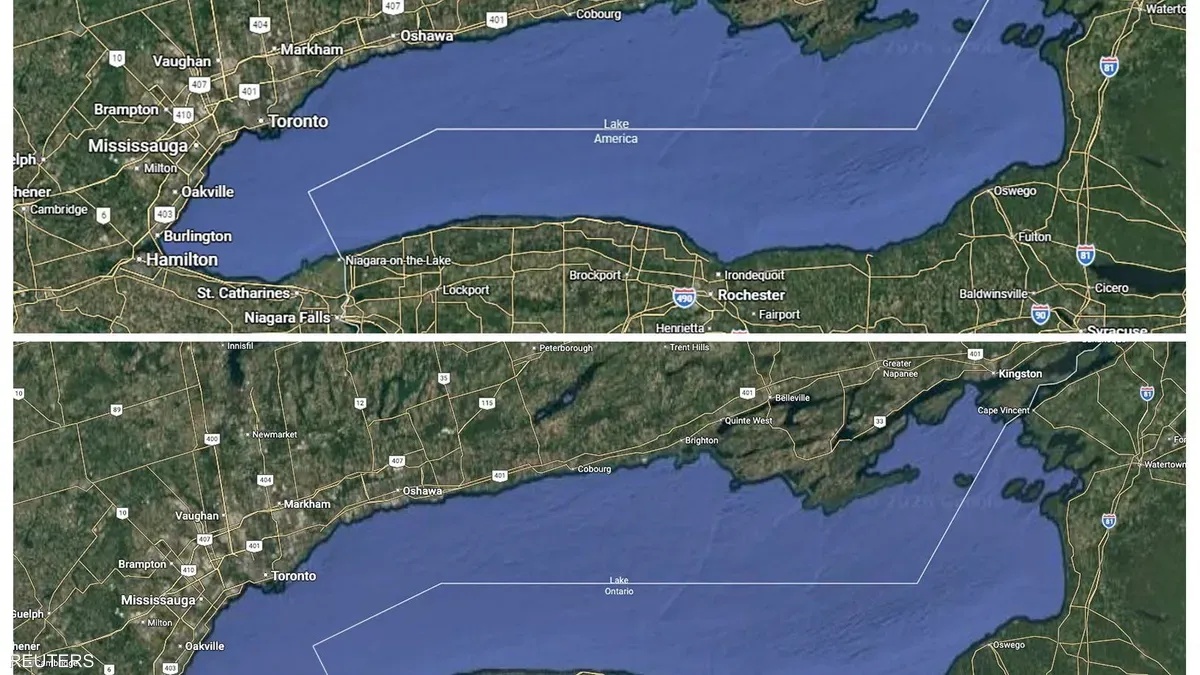
Contrary to reality, where Iran's Kharg Island saw no attack, former US President Donald Trump depicted it Sunday evening burning under a missile barrage in an AI-generated video. He posted it on "Truth Social" with a comment suggesting its "complete destruction." Reuters confirmed the clip was likely artificial, finding no evidence of an attack hours after its publication. Hamid Bovard, CEO of the National Iranian Oil Company, called the post "ridiculous," affirming the island's calm and continued oil operations. Still, the video met its goal: presenting a fictional war image, this time from a head of state with a real history of conflicts. Hours before the Kharg Island video, Trump engaged in a more amusing virtual adventure on the Canadian border. Following his mandate for US agencies to rename Lake Ontario "Lake America," he released a video showing himself kicking an old sign, replacing it, then celebrating with a dance to "YMCA." Another video featured an army of muscular Canadian geese, armed and with blonde hair like Trump's, patrolling the lake. Supporters called this fictional force "Trump's Ducks," despite them being geese. Ontario Premier Doug Ford responded with a real two-story sign: "Lake Ontario... Now and Always," stating the renaming attempt seemed like a "Saturday Night Live" sketch. Thus, a real trade dispute between the nations, involving US tariffs on Canadian steel, transformed into a virtual duel featuring a giant sign and an armed goose army in the digital realm. This wasn't just a casual AI escapade for Trump. Since returning to the political forefront, he has used AI-generated images to portray himself in roles impossible in real life. He appeared as the Pope before a meeting for a successor to Pope Francis, sparking protests from Catholic bishops who found the image inappropriate and unfunny. Trump dismissed it as a joke, urging people to enjoy it. Other images showed Trump as a doctor treating critics for a fictional "Trump Derangement Syndrome," a king over protesters, and a general with George Patton and Douglas MacArthur, boasting medals exceeding both combined. In another series, Trump took George Washington, dead over two centuries, on a tour inside the White House's new ballroom before they rode horses and contemplated America's future together. Researchers and US media label this AI-political propaganda blend "slopaganda" – poor quality AI content for wide spread, provocation, and attention. John Wihbey, a Northeastern University communications researcher, sees this as a new merger of social media and AI to control the narrative. Democratic strategist Michael Ceraso called Trump the "first influencer president," treating politics like pro-wrestling: hero or villain doesn't matter, only audience engagement. Public reaction isn't always positive; a YouGov poll showed nearly two-thirds of Americans rejected Trump's fictional Gaza luxury resort video, with over half calling it "unpresidential." Trump persists in his posting. In one day, he can rename a lake, lead geese, dance for Canada, then destroy an unattacked Iranian island. In his AI era, images no longer document reality but display what the President wants people to believe happened.