Eco
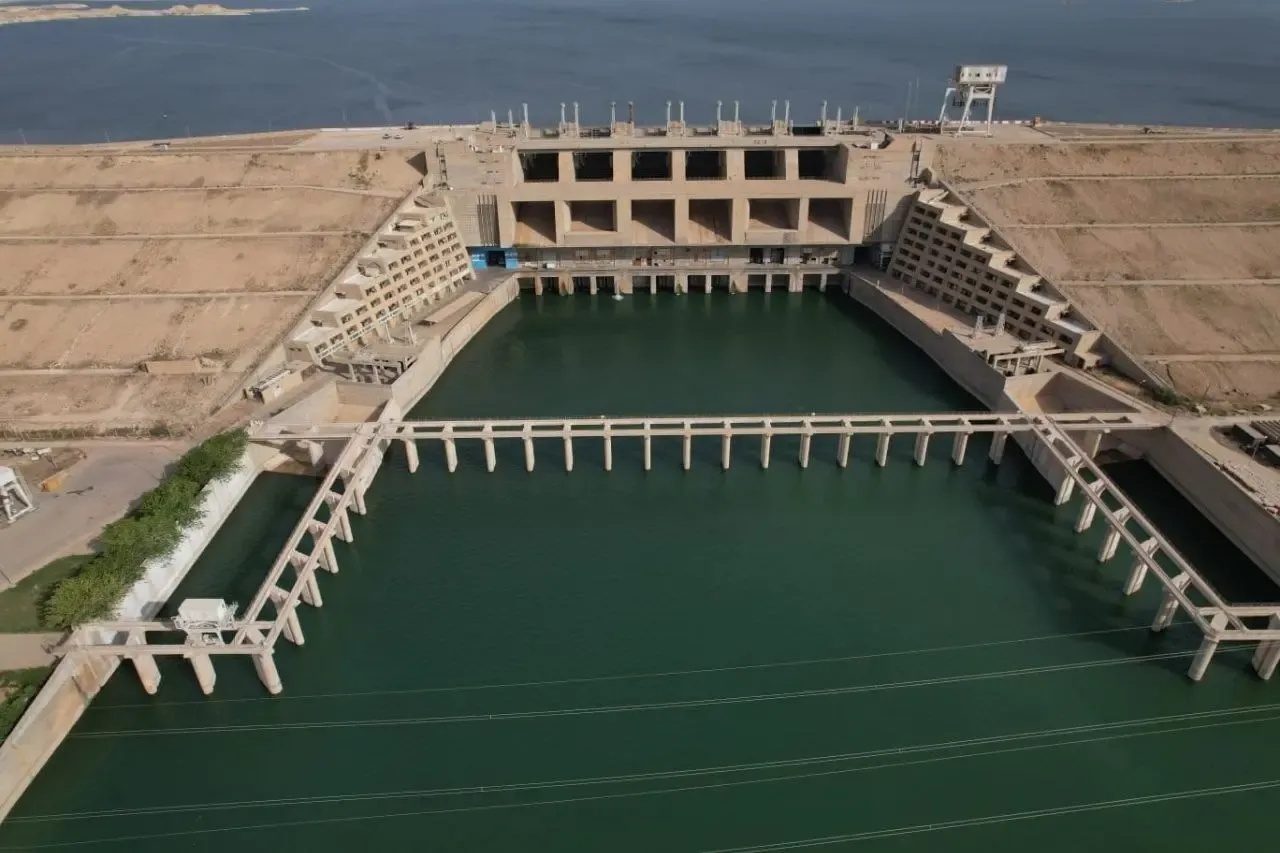
The Ministry of Water Resources has revealed a significant increase in the volume of water released from Syria via the Euphrates River into Iraq. These quantities have reached 680 cubic meters per second, marking a substantial rise compared to 151 cubic meters per second recorded during the same period last year. The Ministry also affirmed the existence of bilateral understandings regarding the equitable distribution of water shares with neighboring countries. Khalid Shamal, the official spokesperson for the Ministry and Director General of the General Authority for Irrigation and Reclamation Projects, stated that the volumes of water flowing from Syria into Iraq through the Euphrates basin have recently quadrupled. He elaborated that these volumes now stand at 680 cubic meters per second, a significant leap from the 151 cubic meters per second observed in the corresponding period of the previous year. Shamal added that the water releases from Haditha Dam towards the provinces of the Middle Euphrates region were approximately 325 cubic meters per second during the same period in 2025 (likely referring to 2023 or 2024 to align with the "last year" context, but the original text stated 2025), indicating that quantities from storage were added to the releases. Currently, these releases stand at 500 cubic meters per second, meaning that roughly 180 cubic meters per second are simultaneously being stored in the dam's lake. The official spokesperson further mentioned that the current stored water volume in Haditha Dam lake is approximately 4.8 billion cubic meters, with a remaining storage capacity of around 3.4 billion cubic meters. He pointed out that the water sources entering Iraq via Syria and their connection to water releases are linked to three primary factors. He explained that the first involves monitoring climate and weather patterns, including anticipated rainfall rates and temperatures in both Turkey and Syria, given that the Euphrates River is shared by Iraq and these nations. The second factor pertains to operational procedures for water management within Turkey, while the third relates to operational procedures for water management and the service system in Syria. Shamal underscored the existence of water agreements between Iraq and its neighboring countries, particularly concerning the Euphrates River. He clarified that these understandings with Turkey and Syria stipulate that the quantity of water passing through the Turkish-Syrian border should not fall below 500 cubic meters per second, with this amount subsequently divided: 58 percent allocated to Iraq and 42 percent to Syria. He highlighted that, in light of the current volumes, the Ministry is actively working to enhance the reserves in Haditha Dam and maintain a healthy water level in the main channel of the Euphrates River. This is in addition to ensuring water releases, which, he revealed, are still below the desired level for fully refilling Lake Habbaniyah. The official spokesperson for Water Resources also disclosed that the Ministry conducts daily monitoring of the water situation, discusses adopted measures, and is committed to ensuring that all provinces along the Euphrates River receive their fair share of water. This approach aims to secure the requirements for drinking water, agricultural plans, and other essential uses.