Security
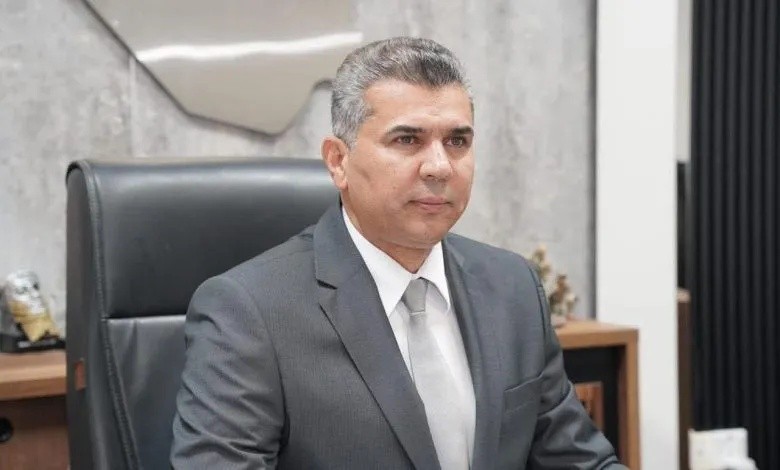
The head of the Security Media Cell, Lieutenant General Saad Maan, reported advanced dialogues with armed factions, affirming that resolving the arms file is a matter of time. Maan explained, in a statement to an official newspaper, that coordination and discussions with these factions are progressing. He indicated that the priorities of understanding include refraining from any attacks against regional countries or other areas within the country, including the Kurdistan Region. He emphasized that the completion of this file is imminent, with no obstacles hindering its finalization. He noted that the current approach aims to regulate the status of the factions, integrating their personnel and weapons into official security institutions under the command of the Commander-in-Chief of the Armed Forces. He mentioned that this requires political separation from any previous designations, pointing out that the Popular Mobilization Forces (PMF) primarily operate under the Commander-in-Chief's umbrella. Maan cited the resolution of the Sinjar file and the integration of forces present there into official security forces as a model applicable to other files. He stressed that this process would encompass both individuals and weaponry, aiming to place them within the official frameworks of the state. He clarified that this path enjoys broad understanding and support from political forces, the Council of Representatives, the Supreme Judicial Council, and the Coordination Framework forces. He also highlighted international welcome for this step, viewing it as an Iraqi decision that enhances the country's sovereignty and strength. He confirmed that dialogues are ongoing regarding the executive mechanisms and technical details for regulating weapons. He added that a preliminary agreement exists among political forces to support the government in pursuing this direction, affirming that matters are progressing correctly. Regarding the withdrawal of international coalition forces, the head of the Security Media Cell affirmed continued adherence to the specified timelines. He explained that the coalition was originally formed to assist Iraq in its war against ISIS, but the organization has lost its capability and influence and no longer poses the previous threat. Maan asserted that Iraqi security forces are now fully capable of assuming complete responsibility, including pursuing ISIS remnants and addressing any security threats across all regions of the country. These developments occur amidst the national sovereignty and exclusive state control over weapons issues taking precedence in Iraq's political and security landscape. This coincides with discussions about the phases of international coalition forces' withdrawal, with parliamentary circles emphasizing that the departure of foreign troops should be accompanied by a gradual Iraqi process to organize weapons and end any military presence outside state frameworks, thereby strengthening national decision-making and granting full powers to security institutions.