

policy
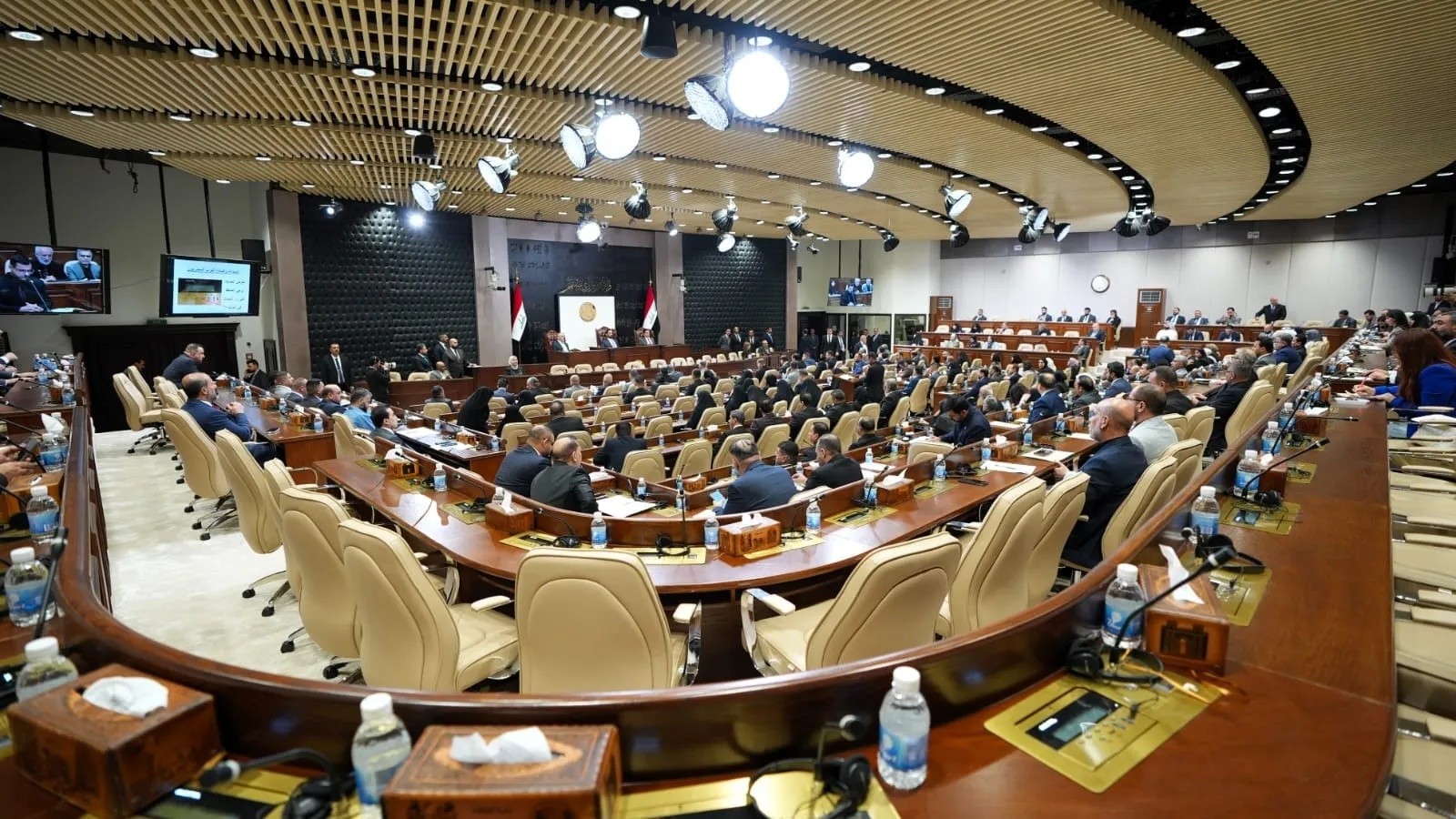
The Presidency of the Council of Representatives has adopted nine fundamental financial and functional treatments, to be officially included in the 2027 federal budget law. MP Doha Al-Sadkhan stated that these treatments, proposed by MPs, were referred to the parliamentary Financial Committee for follow-up after the Council's presidency approval. The package included appointing higher degree holders, top students, graduates of elite channels and oil institutes, alongside medical, health, and nursing professions graduates, ensuring job grades for their absorption into state institutions. Treatments also covered the permanent stabilization of all employees on contracts and daily wages, including meter readers, to end job instability and ensure their administrative and financial rights. Al-Sadkhan urged allocating deletion and creation degrees for old graduates' appointments, and completing one thousand engineers' appointments, to utilize vacant positions and address unemployment. Demands extended to releasing delayed salaries and dues for all retirees, providing allocations for the seventh batch of social protection network beneficiaries, and paying all delayed financial dues for farmers. For higher studies, the package included filling allocated seats and adopting the highest score from non-admitted applicants for vacant ones, preventing unused seats and offering acceptance per regulations. The MP further called for transferring Ministries of Defense, Interior, and security agencies personnel holding bachelor's degrees from military to civilian staff, aligning with their qualifications and specializations. She added that demands included compulsory leaves, completing calculation records for delayed certificates and scientific titles, and granting holders associated privileges and rights. Regarding the "salary scale" law, Al-Sadkhan affirmed treatments included approving a fair salary scale by amending the state and public sector employees' salary law, aiming to reduce disparities between high and low-grade salaries and achieve greater justice among government institution employees.