policy
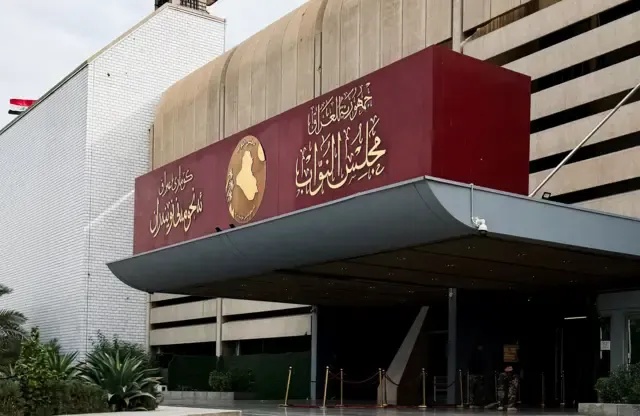
The Iraqi Parliament, on Thursday, urged the government to show no leniency in tackling major corruption files, specifically mentioning contracts in the energy, health, and housing sectors. The Parliament affirmed it would provide its information to specialized anti-corruption agencies. In a statement, the Parliament noted that corruption has long eroded the state, becoming the political system's greatest challenge. Despite continuous reform rhetoric and anti-corruption plans across governments and parliamentary terms, real results have been lacking. Some efforts were even exploited for public fund embezzlement and as a cover for the corrupt. It stressed that Sunday, June 28, 2026, should ideally mark a new phase of hope for a brighter future. The Parliament added that its responsible national decision to lift immunity from its members, responding to judiciary requests, formed the basis for the "bold dawn operation" against corruption. To safeguard state resources, halt public fund plunder, and establish anti-corruption as a constant approach, the Parliament mandates the government to proceed without leniency in opening the largest and most critical corruption files, within defined timelines. These include: 1. Tax corruption, notably the "Theft of the Century" (tax deposit theft), among Iraq's biggest embezzlement cases. 2. Energy sector corruption, covering vast spending on trillion-dinar electricity contracts, blatant irregularities in granting state power stations for unjust investment, and continuous failures in production, distribution, and maintenance. 3. Investment sector, marked by corruption and chaotic issuance of residential, industrial, commercial, and educational licenses, leading to immense public fund losses. 4. Housing and reconstruction, including corruption in project contracts and massive cost inflation. 5. Health sector, with corruption in public/private hospitals and drug import. 6. Transport sector, involving port contract corruption, operation issues, and recent railway sector graft. 7. Fictitious arms deals, failed equipment, and machinery in the Ministries of Defense and Interior. The Parliament clarified that its oversight authority, via specialized committees, would provide information on these files to anti-corruption bodies. It will also monitor actions taken through a special parliamentary committee to ensure justice and recover plundered public funds to the state treasury, in line with the constitution and laws. The Parliament aims to leverage its legislative and oversight powers to enable state agencies to eradicate corruption in all its forms and sources.