Security
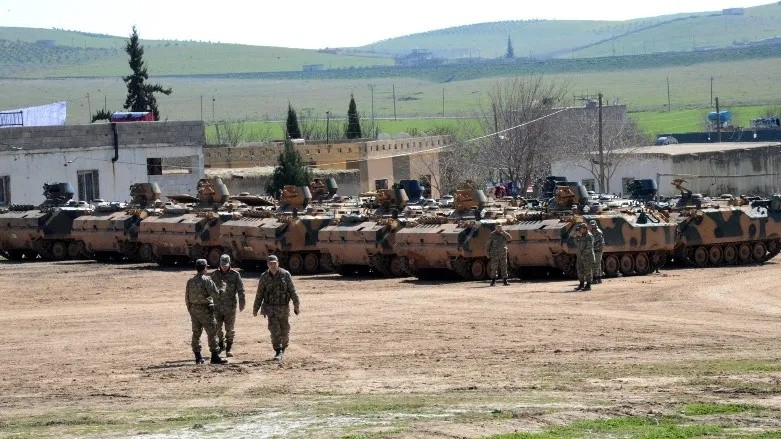
Iraq has confirmed that the handover of the Zlikan (Ba'ashiqa) camp to the federal government represents a strategic move to enhance sovereignty, emphasizing that the evacuation will be gradual according to a defined timetable. The Head of the Security Media Cell, Lieutenant General Saad Maan, stated on Friday that Iraqi security forces are capable of protecting the country without the need for armed factions outside state control. Maan clarified that the Iraqi-Turkish agreement regarding the handover of the Ba'ashiqa-Zlikan camp has yielded multiple benefits, primarily reinforcing the Iraqi state's presence and sovereignty over its territories. He pointed out that the camp's handover will be directly to the federal government, not to any local entity or other formation, which solidifies the principle that the management of Iraqi military and security lands and facilities is the exclusive prerogative of official state institutions. He added that this step opens the door for reorganizing the security situation in Nineveh Governorate and the areas surrounding Mosul, supporting the establishment of more stable Iraqi security arrangements. Maan noted that the agreement linked the camp's handover to the security progress achieved by Iraq. Maan further explained that the agreement carries a significant political and diplomatic dimension, shifting the issue of Turkish military presence from a framework of dispute to a security negotiation between the two countries, in parallel with deepening security and economic cooperation and accelerating joint strategic projects, such as the Development Road. In the context of extending state authority, the handover of the Ba'ashiqa-Zlikan camp represents, from a political and constitutional principle, a practical step towards enhancing sovereignty and fully extending state authority in Sinjar, thereby ending the presence of prohibited foreign armed elements. He stressed the necessity of reading the agreement as an integrated security package, not limited solely to the evacuation of the military site. He mentioned that the Iraqi government advocates the principle of confining power and weapons to the state and enhancing the capability of security forces to protect Iraqi territories. The Prime Minister and Commander-in-Chief of the Armed Forces, Ali Al-Zaidi, had previously affirmed in statements that security forces possess the capability to protect Iraqi lands, and there is no need for armed factions outside the state's framework. This makes the Zlikan handover part of a broader path aimed at re-establishing the state's security mandate. Regarding the timelines and implementation mechanism, Maan revealed the transition from the negotiation phase to the actual implementation phase. Both parties agreed that the camp's handover to the federal government would be gradual, according to a mutually agreed mechanism and timetable. He affirmed that the process is ongoing with organized coordination between the two sides, in a manner that preserves Iraq's security interests and sovereignty, away from any sudden or unilateral actions. Maan concluded his statement by emphasizing a clear correlation between the trajectory of Turkish forces' withdrawal and security measures in northern Iraq, particularly the imposition of the rule of law in Sinjar and the termination of foreign armed presence. He stressed that addressing these issues through official state institutions ensures unity of security decision-making, centralizes weapons under state control, and creates an appropriate environment for implementing joint understandings with the Turkish side.