

Arts
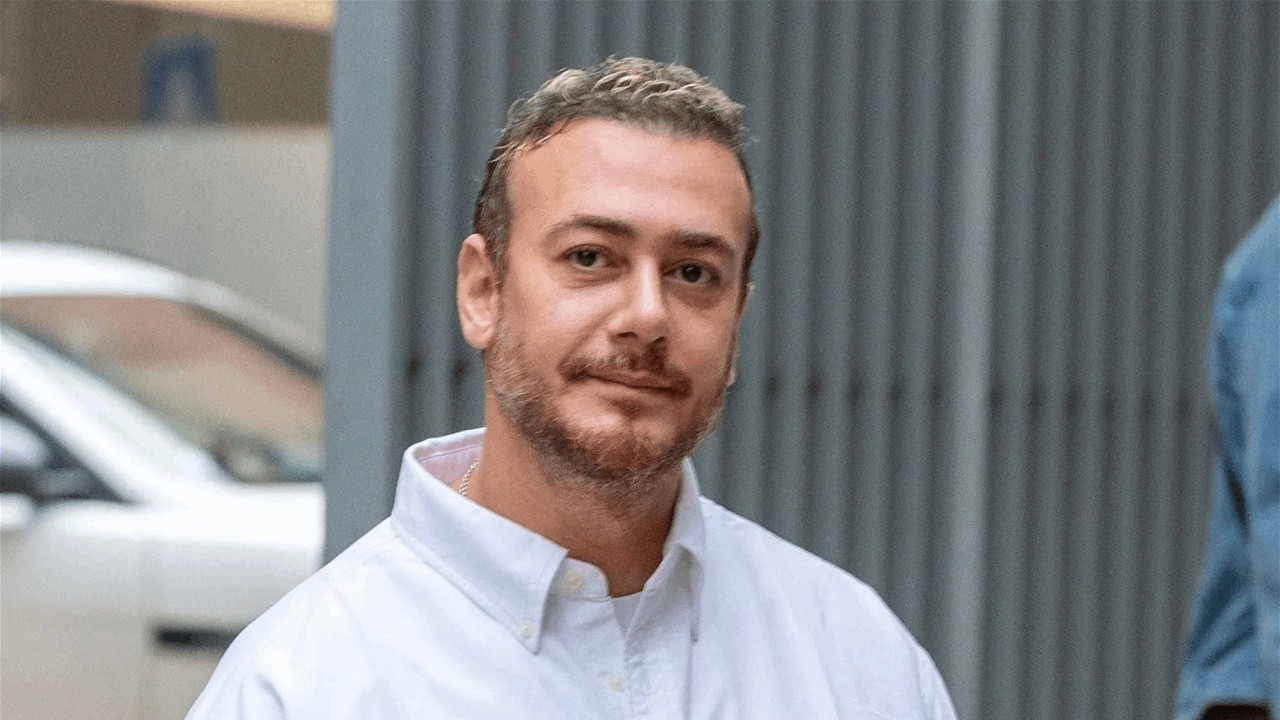
The appellate court's decision to sentence Moroccan artist Saad Lamjarred to 10 years in prison has brought attention to Fresnes correctional facility, located south of Paris, following Moroccan media reports confirming his detention there. The selection of this prison is attributed to its status as a major penal institution within the greater Paris region, dispelling rumors that it is exclusively designated for high-risk inmates. Fresnes Prison, with a history spanning over a century, faces mounting official criticism concerning severe overcrowding and the deterioration of detention conditions, particularly within its men's section. The Créteil appellate criminal court, situated southeast of Paris, had convicted Lamjarred in a 2016 rape case, extending his sentence from 6 to 10 years and ordering his immediate imprisonment. Subsequently, one of his attorneys confirmed the defense team's intention to appeal this verdict before the French Court of Cassation. Fresnes Prison is located in the Val-de-Marne department, in close proximity to the French capital. According to the Ministry of Justice, the prison was inaugurated in 1898. It comprises separate sections for men and women, alongside a dedicated prisoner assessment center and comprehensive healthcare facilities. Fresnes Prison does not cater to a single category of inmates; it accommodates defendants awaiting trial, individuals serving short sentences, and others awaiting transfer to alternative institutions. It also houses those serving long-term sentences within its designated sections. The French Ministry of Justice has specified the facility's total capacity at 1603 places, distributed across both its men's and women's sections. In July 2026, the independent French Authority for the Control of Places of Deprivation of Liberty issued urgent recommendations, following an inspection visit to the men's section at Fresnes. The Authority revealed that the prison's occupancy rate stood at 171 percent, highlighting a severe staff shortage, deteriorating building conditions, and a scarcity of available activities for inmates. During their visit, observers tallied 2008 detainees in the section, excluding the new arrivals' reception area, noting that 31 percent of them shared a cell with two other individuals. The report further indicated that each cell measures 9.8 square meters, and accommodating three individuals was made possible by installing bunk beds. It also documented deteriorating bathrooms, water leakages, and the proliferation of rodents and insects, including bed bugs. The Authority stated that "the combination of overcrowding, aging infrastructure, and its deteriorating state negatively impacts both the dignity of the detainees and the working conditions of the staff." Consequently, the Authority urged authorities to devise a clear plan for the prison's future, encompassing options for its renovation or complete reconstruction. In a related context, the French newspaper "Le Monde" highlighted the conditions at Fresnes Prison in a report published in July, noting widespread complaints regarding the proliferation of insects and rodents within its confines. It is also noteworthy that the International Observatory of Prisons had previously resorted to administrative justice, demanding urgent measures to address the deteriorating detention conditions.