policy
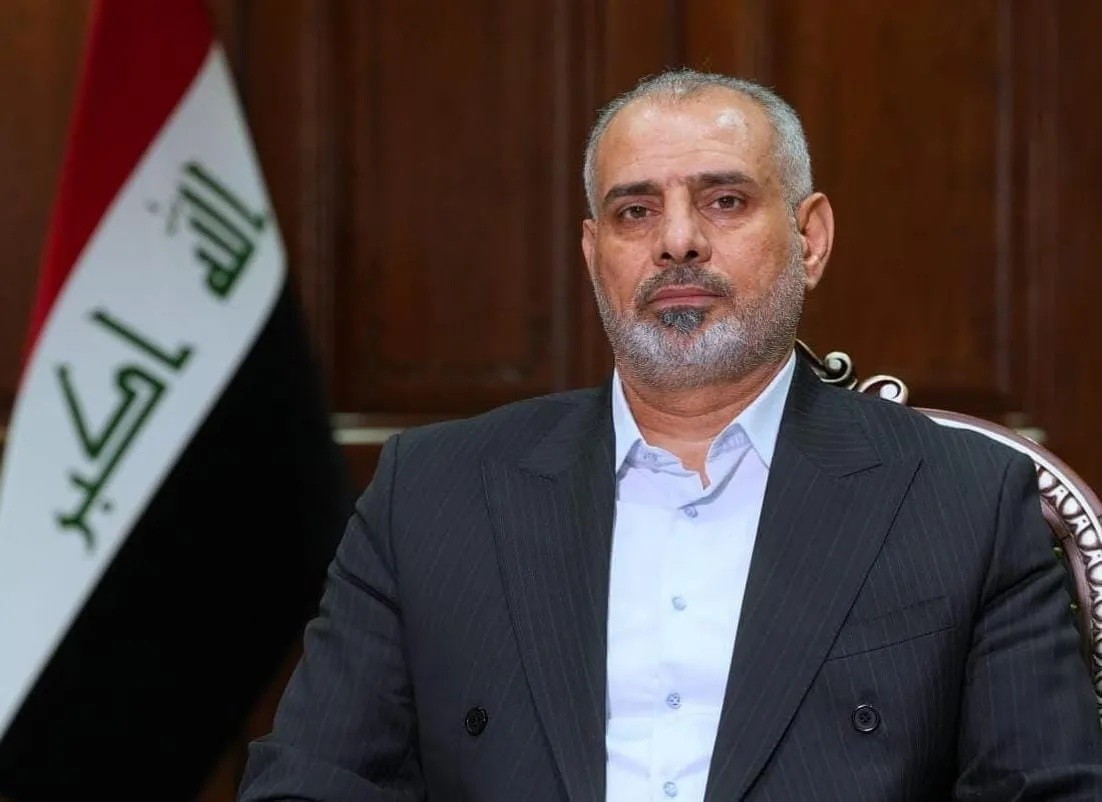
First Deputy Speaker of the Iraqi Parliament, Adnan Feihan Al-Dulaimi, confirmed on Saturday that the council is ready to convene an extraordinary session if the Iraqi government does not reverse its decision to ban Iranian civil aviation in the country's airports. In a detailed statement addressing the constitutional and legal stance on the Iranian flight ban decision, Al-Dulaimi emphasized the historical, geographical, religious, social ties, and shared challenges between Iraq and the Islamic Republic of Iran. He considered these commonalities to impose upon the state and people of Iraq the duty to stand by their Muslim neighbor and its people, deeming it an undeniable religious obligation. Al-Dulaimi pointed out that "Iran was the first country to rush to open its weapons depots and send its leaders and advisors to Iraq during the confrontation with the terrorist ISIS gangs, while other countries stood by watching, or even supported ISIS financially and logistically." He added that Iran is "the country that supplies Iraq with natural gas despite its internal needs, and despite Iraq's failure to pay billions of dollars in outstanding debts for years." He further stated that "this hasty and ill-considered decision does not align with the principle of calling for self-distancing and neutrality, and it violates the Iraqi Constitution." He clarified that Article 8 of the Constitution stipulates that Iraq (shall observe the principles of good neighborliness, refrain from interfering in the internal affairs of other states, seek to settle disputes by peaceful means, establish relations on the basis of mutual interests and reciprocity, and respect its international obligations). Al-Dulaimi clarified that "unilateral American sanctions are not an international obligation on Iraq merely because they were issued." He stressed that "it is not constitutionally sufficient to say: America imposed sanctions, and therefore we are obligated by them," but rather there should be an Iraqi legal basis or an effective international obligation on Iraq that justifies the measure taken against Iran. He completed by saying that "this decision hinders economic and developmental progress for the country, as it has severely and directly harmed a vital sector of the national economy, namely religious tourism." He explained that "Iranian aviation is considered the primary carrier for hundreds of thousands of Iranian and Iraqi visitors between the two countries, especially through Baghdad and Najaf airports." He also clarified that "the ban will lead to a direct decline in tourism and commercial revenues, losses for airlines and travel agencies, the cessation of tourism companies' operations, and a decrease in transit and airspace fees collected by Iraqi aviation authorities for providing ground and navigational services." Al-Dulaimi, in his parliamentary capacity, directed direct questions to the Iraqi government, inquiring: "What are your plans to compensate for the damage resulting from this decision to the religious tourism sector and its workers, company and hotel owners, and self-employed individuals whose businesses and interests will be disrupted?" He added: "And what are your plans if Iran retaliates by stopping natural gas supply, which could lead to the collapse of the electrical system, as Iraq would lose a third of its energy production; because its complete cessation would cause a direct loss of approximately (30% to 40%) of the national grid's operational capacity?" He continued that "this means an increase in electricity outage hours in the capital Baghdad and the central and southern provinces, and paralysis of vital sectors: hospitals, water treatment, purification, and pumping stations, and general service centers." Al-Dulaimi concluded his statement by affirming that "the Parliament is ready to hold an extraordinary session if this decision is not reversed, and it has practical steps it will take, as well as oversight procedures against parties violating the Constitution." He emphasized that "Iraq's decision must be a national, independent decision, stemming from its values and principles, and in accordance with its legitimate, ethical, and constitutional obligations." He concluded by stating: "We will not allow, under any circumstances, Iraq to be a partner in the siege on the Islamic Republic."