policy
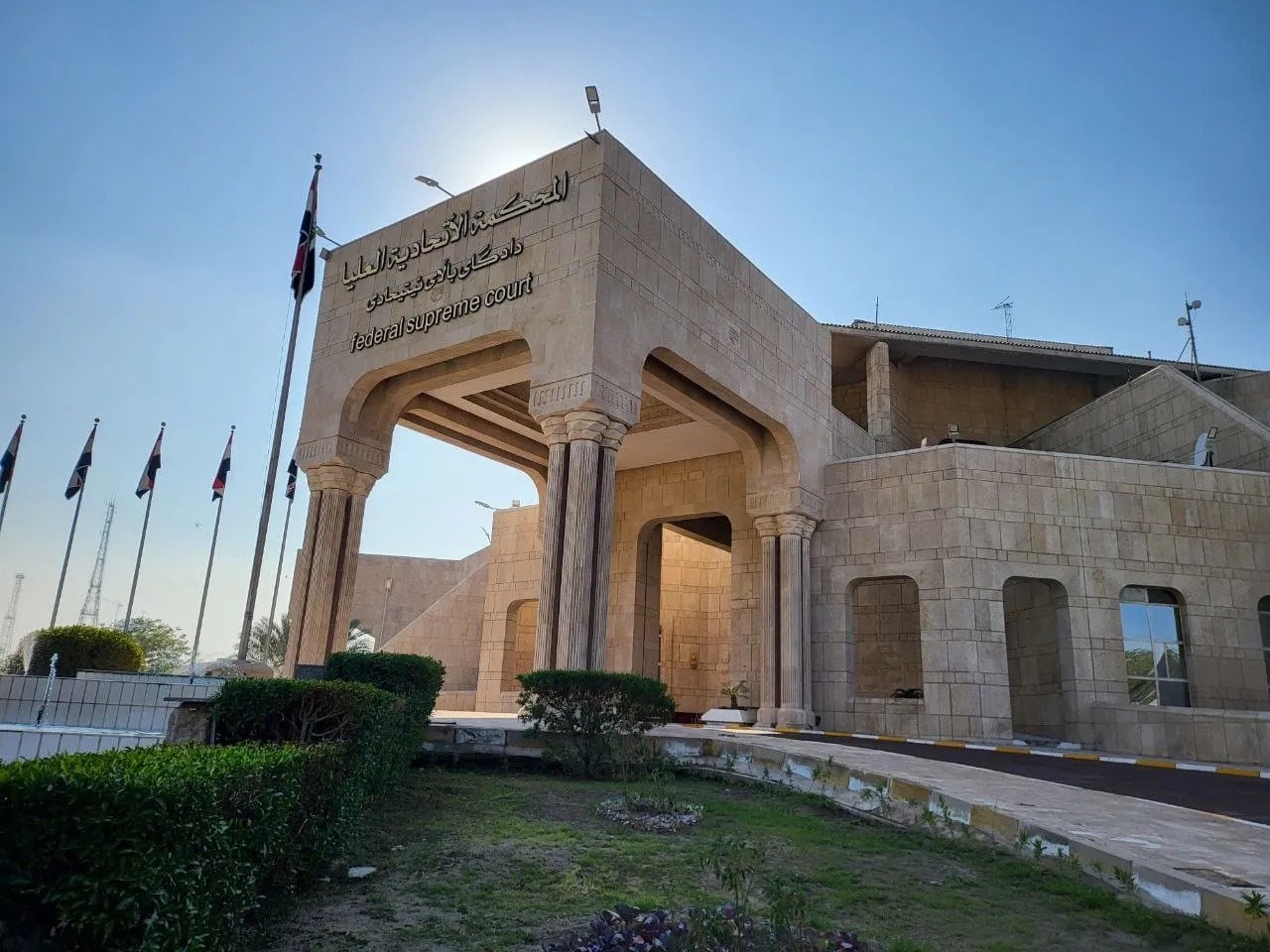
The Federal Supreme Court, on Sunday, postponed its consideration of two lawsuits concerning the legal mandate of the Kurdistan Regional Government (KRG) and the scope of its powers during a caretaker period, until October 26. One of the lawsuits, numbered 193, seeks a judicial ruling that the legal mandate of the KRG, which took the constitutional oath on July 10, 2019, expired on July 10, 2023. The lawsuit demands the government be considered a daily caretaker entity since that date, with powers limited to managing public facilities and urgent actions. The lawsuit also requested prohibiting the government from concluding, amending, or canceling strategic contracts, making decisions related to oil, gas, electricity, and natural resources, or any decisions that would entail long-term financial, legal, or political obligations. The demands further include the cancellation of all decisions and actions taken by the KRG after the expiration of its mandate that exceeded the scope of daily caretaker duties. These decisions specifically include increasing electricity prices, imposing or raising fees and taxes, concluding or amending oil and electricity contracts, and any strategic decision that entails financial, legal, economic, or political obligations extending their effects to subsequent governments, with the legal consequences applied accordingly. Furthermore, the lawsuit demanded all Kurdistan Region authorities adhere to the court's ruling, refraining from exercising powers beyond daily caretaker limits until a new government is formed with legitimacy from a constitutionally valid parliament. The other lawsuit, numbered 212, calls for a ruling that the KRG, upon the expiration of its political mandate and failure to form a new government, be considered a caretaker government in the constitutional sense. The lawsuit requests defining its powers to essential and routine tasks, prohibiting it from making strategic decisions or taking actions that create new legal centers transcending the nature of the caretaker phase.