
Global
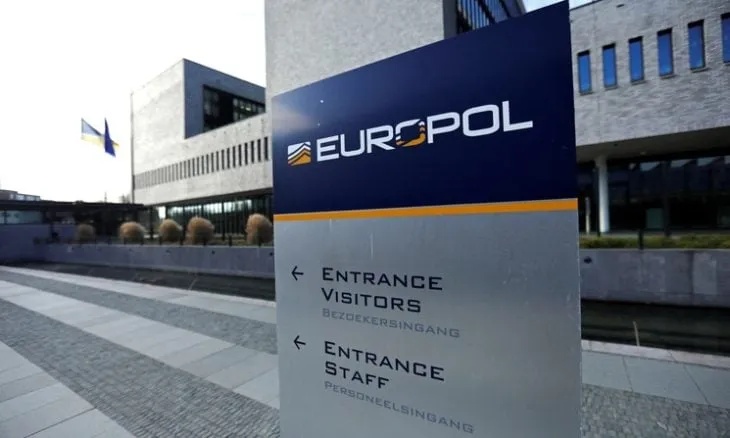
An investigation conducted by the European Union Agency for Law Enforcement Cooperation (Europol) has unveiled 731 active criminal networks operating across Europe. These networks encompass over 400,000 members, representing 118 different nationalities. A Europol study indicates that these gangs frequently operate transnationally with a high degree of professionalism. Notably, 85 percent of these organizations exploit legitimate business structures to facilitate their criminal activities. The study further clarified that these groups are involved in a wide spectrum of offenses, including drug trafficking, cybercrime, migrant smuggling, human trafficking, fraud, and money laundering. It highlights their exploitation of digital and technological advancements, global trade dynamics, and geopolitical instability to conduct their operations. These findings follow Europol's initial comprehensive study on criminal networks in Europe, presented two years prior. The current analysis reveals that 76 percent of the newly identified networks are recent formations. Nevertheless, Europol also pinpointed 198 consistently active gangs, contrasting with the 821 networks that were identified in the previous assessment.