Global
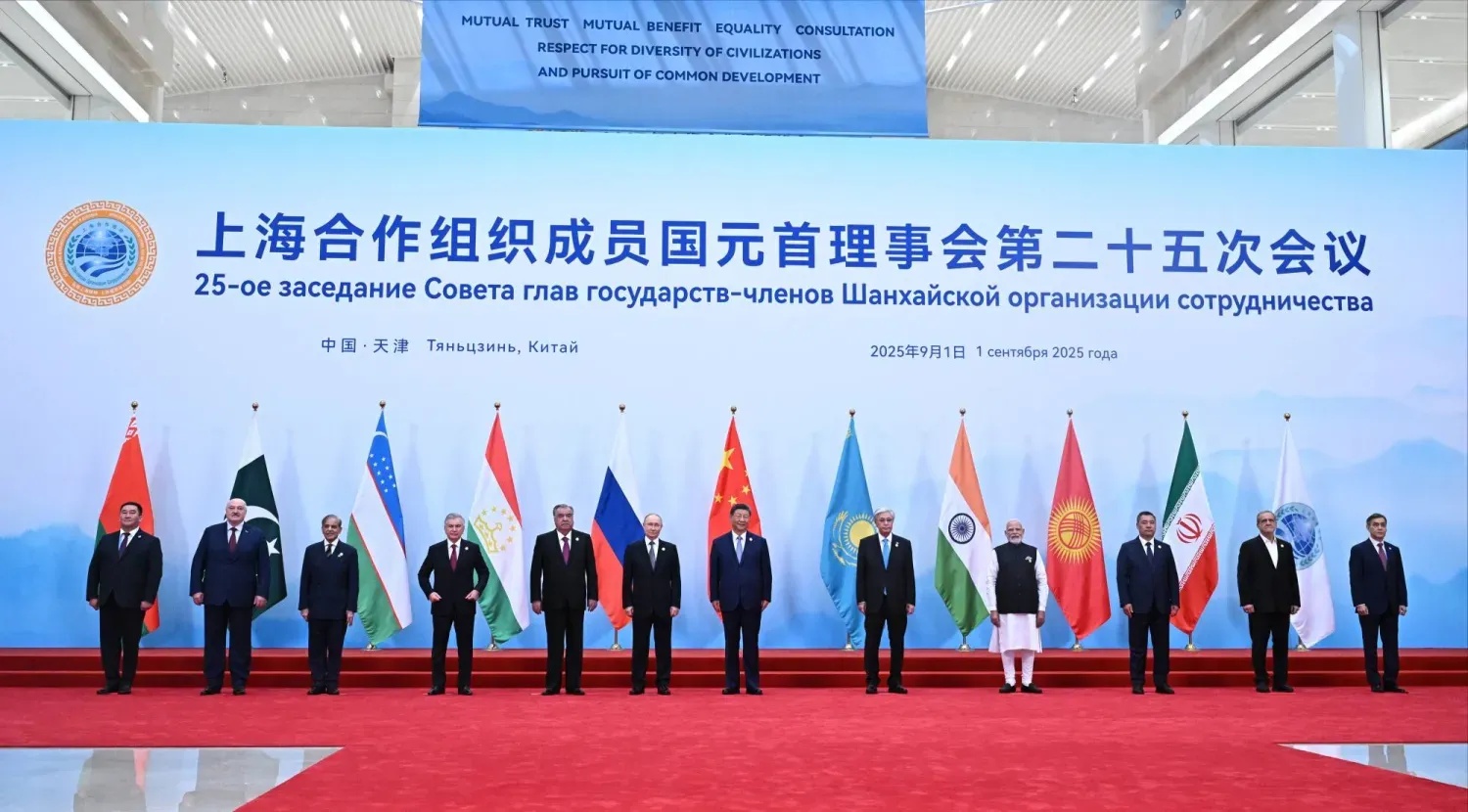
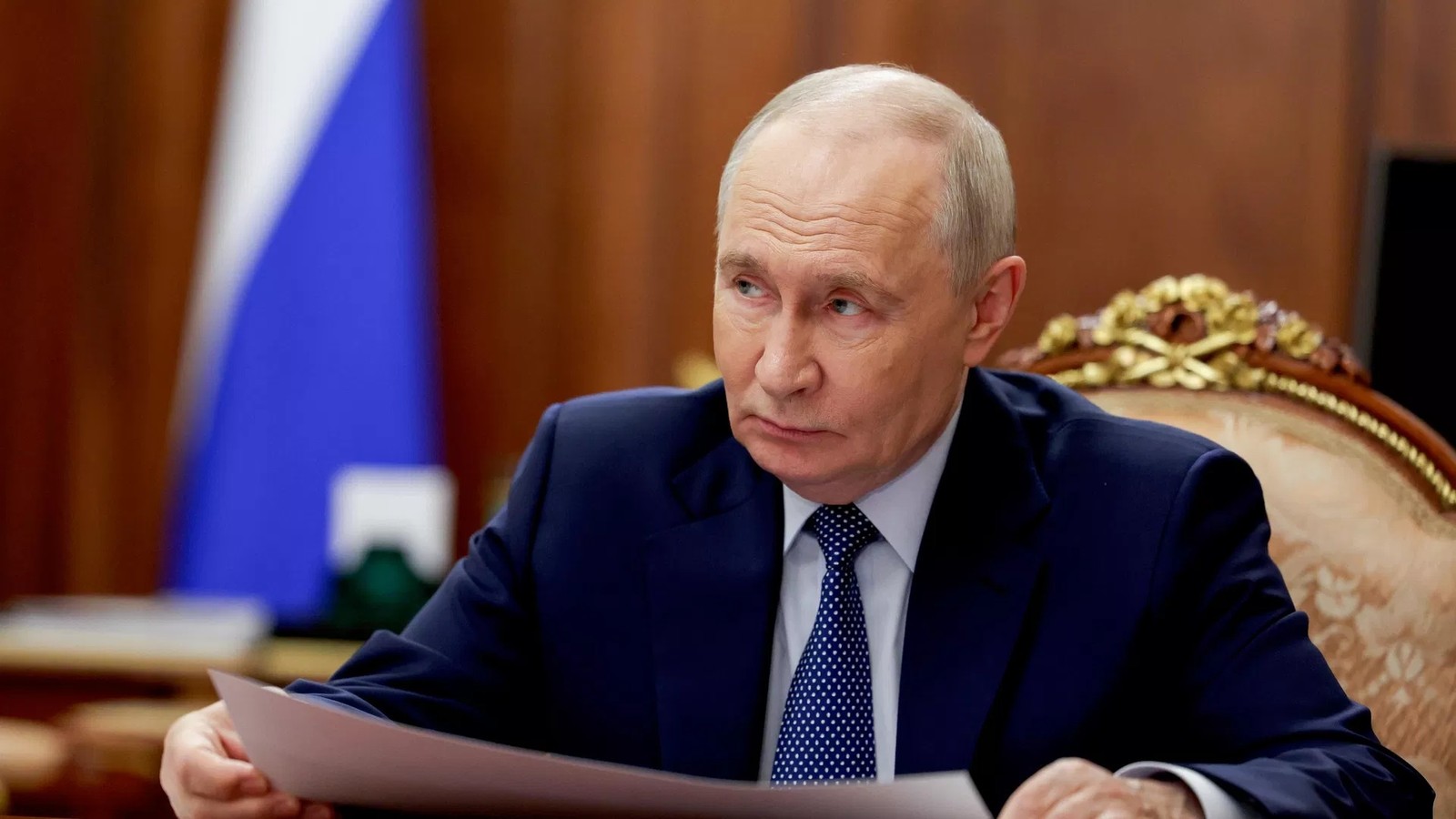
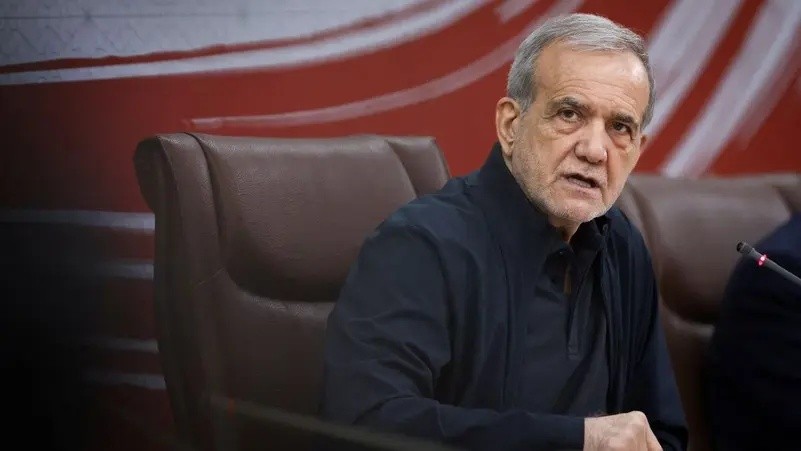
Leaders from Russia, China, Iran, and India will gather in Bishkek, Kyrgyzstan's capital, for a two-day Shanghai Cooperation Organization (SCO) summit starting Monday. The assembly occurs as several member states face crises. Approximately ten heads of state and government, including some with tense Western relations, confirmed attendance for the summit, marking the organization's 25th anniversary and its aim to counterbalance Western influence. Presidents Vladimir Putin (Russia), Xi Jinping (China), Masoud Pezeshkian (Iran), Indian PM Narendra Modi, and Pakistani PM Shehbaz Sharif confirmed participation in the summit, hosted by Kyrgyz President Sadyr Japarov. Putin and Pezeshkian will meet to boost bilateral cooperation. Putin also plans separate talks with Xi, Modi, and Turkish President Recep Tayyip Erdoğan, said Kremlin adviser Yuri Ushakov, calling the SCO "a robust pillar of a strongly emerging multipolar world." The bloc of ten nations—Belarus, China, India, Iran, Russia, Kazakhstan, Kyrgyzstan, Uzbekistan, Pakistan, Tajikistan—aims to balance Western influence through security and economic focus. Driven by Beijing and Moscow, the organization gained recent momentum, adding 15 dialogue partners and two observer states: Afghanistan and Mongolia. While its founding declaration states it's "not an alliance against other states," Putin and Xi are expected to use the meeting to show unity and present their vision for a multipolar world confronting US hegemony. Putin accused the West of causing the Ukraine conflict; Xi denounced "acts of intimidation" by some countries, referencing Washington-Beijing tensions. The bloc represents about 40% of the world's population and 25% of global GDP, yet it remains heterogeneous with internal disagreements. China and Russia, for example, compete in Central Asia, a resource-rich region crucial for goods transport between Europe and Asia. Tensions also occasionally affect China's relations with India and Pakistan. The summit convenes amidst ongoing conflicts involving member states, like the Russia-Ukraine war, persisting four and a half years without resolution, and Iranian tensions following a US-Israeli attack in February. Other members face trade disputes, notably China and India, both under stringent US tariffs. Donald Trump's administration threatened Iran's allies, imposing secondary sanctions this week on countries trading with Tehran, especially in gold, technology, digital assets, aviation, and maritime shipping, to economically "strangle" Iran. In this context, China, a major trade partner and Iran's largest oil importer, warned it will "resolutely defend" its interests. Russia is also a significant partner for Tehran, with intensifying military and trade cooperation. Iran consistently affirms its refusal to yield to pressures and threats, despite US and international sanctions since the 1979 revolution. However, the Iranian president acknowledged his country faces "several difficulties" after decades of restrictions.