Technology
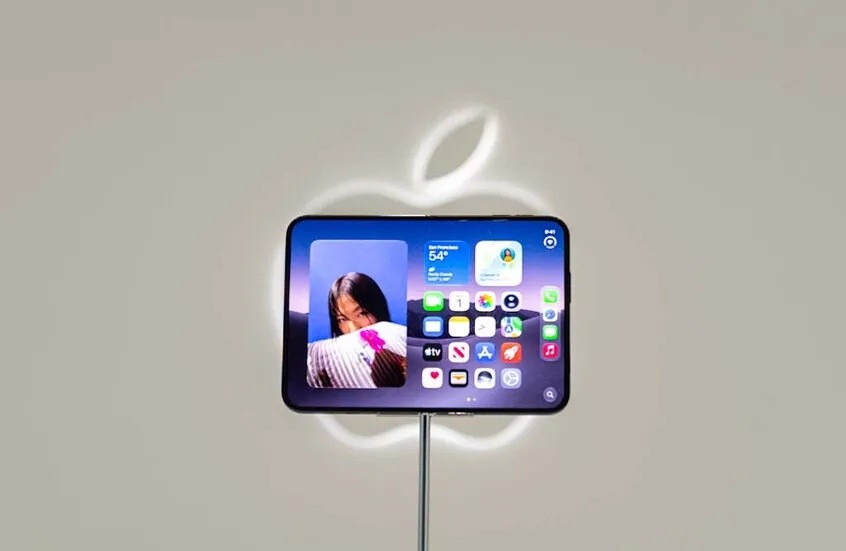
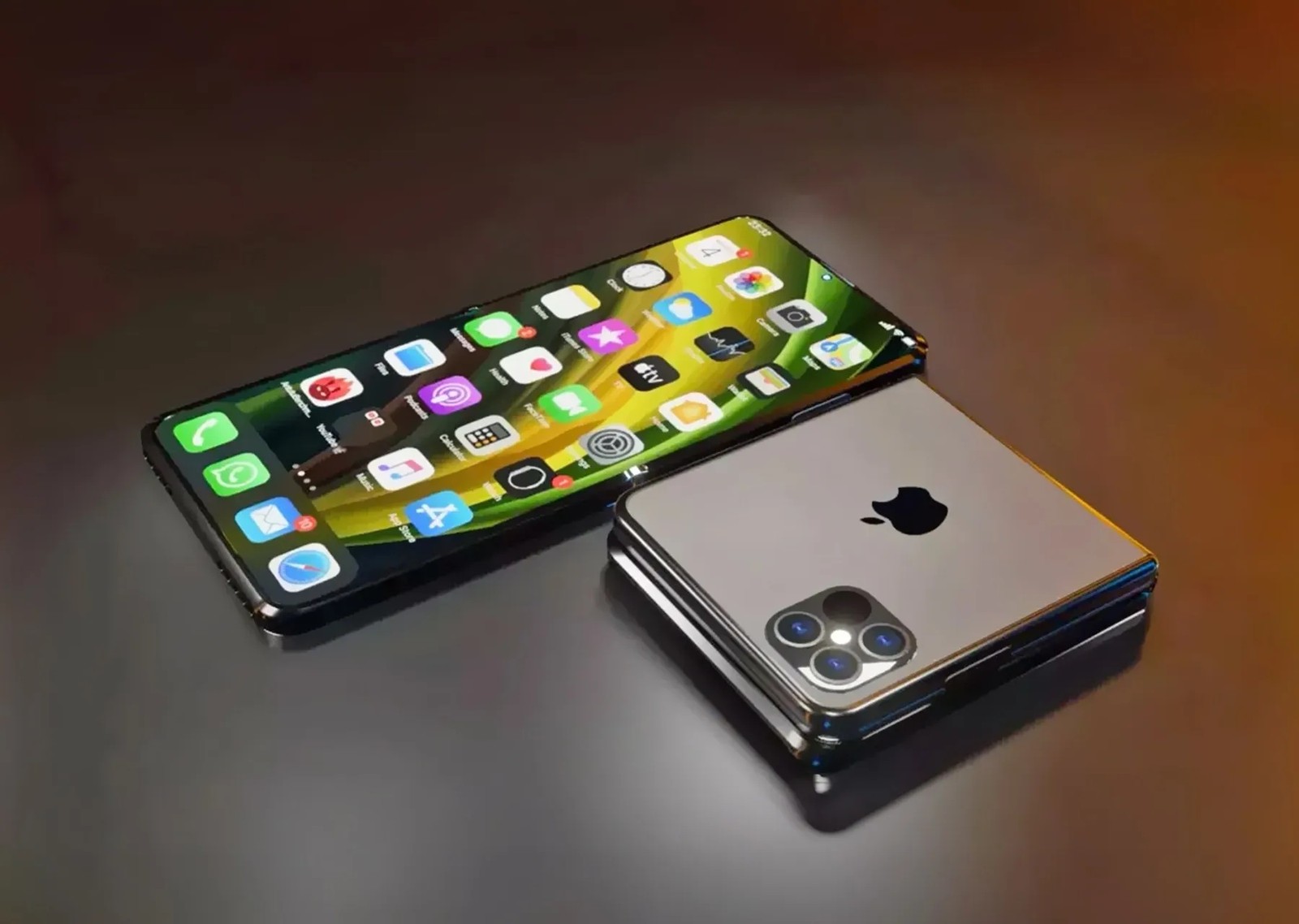
Apple recently unveiled its first foldable iPhone, the iPhone Duo, with a starting price of $1,999. This move marks the most significant design overhaul for its renowned smartphone since the launch of the original iPhone. However, the new device immediately drew criticism from left-handed users, who expressed concerns that its design could make it more difficult for them to use, with some even fearing it might become practically "unusable." The iPhone Duo features the largest internal display in iPhone history, measuring 7.6 inches, alongside a 5.4-inch external screen. Weighing slightly over half a pound, it folds to just over 3 inches thick, making it easier to carry in a pocket. Apple describes the phone, when folded, as "compact and comfortable to hold," noting that it has relocated "essential controls to the side" for easier access. This design presents a problem for left-handed users. Unlike traditional iPhones, where navigation bars and controls are typically at the top or bottom of the screen, the Duo's design places these elements on one side of the phone. This includes the Touch ID button, which replaces Face ID in the new phone and is integrated into the side button. This arrangement has raised concerns among left-handed users accustomed to holding their phone with their dominant hand. On social media platforms, one user questioned: "Are there any other left-handers out there who use their phone one-handed with their left hand? I'd love to own this phone, but I have a feeling they won't add a dedicated left-handed mode." Another user suggested that the issue couldn't be resolved by software alone, as the phone's design relies on fixed positions for several components. A commenter on another digital platform pointed out that the problem extends beyond mere software, stating: "It goes beyond just software. The Touch ID button, the external screen, the cameras... they would have to manufacture a mirrored version for left-handers to get the same experience as right-handers." Other users felt the design might discriminate against left-handed individuals. One remarked: "Finally, someone pointed it out. Thank you. I already hate the idea. I'm left-handed, and I don't want to hold the phone upside down even if they fix it in software." Another user questioned whether the phone's design constituted an accessibility oversight, adding: "My first thought was: How will they make it accessible for us? What if someone had a stroke or is otherwise unable to use their right hand?" For its part, Apple already indicates that the Duo includes dedicated accessibility tools for people with vision, mobility, hearing, speech, and cognitive needs, such as AssistiveTouch, Switch Control, Voice Control, and eye tracking. Despite these criticisms, initial impressions from those who have physically experienced the phone have been largely positive. Brian X. Chen, a consumer technology writer for The New York Times, described the phone as remarkably thin when unfolded. He added that its folded size is roughly akin to a passport, and it felt less bulky in his pocket compared to other foldable phones he had tested. Foldable phones still represent a small fraction of the mobile phone market, accounting for less than 2% of global sales, according to IDC data. Nevertheless, the research firm anticipates that Apple's entry into this market will boost consumer interest in this category and help drive sales this year. The debate over whether the design poses a real problem remains open. While left-handed individuals constitute about 10% of the population, some use their right hand to operate their phone, while others refuse to alter their usual usage habits. The discussion is largely theoretical, as most consumers have yet to try the iPhone Duo. It is scheduled for release in stores on October 23, with pre-orders beginning on October 16, and Apple has not yet announced a dedicated left-handed mode.