Global
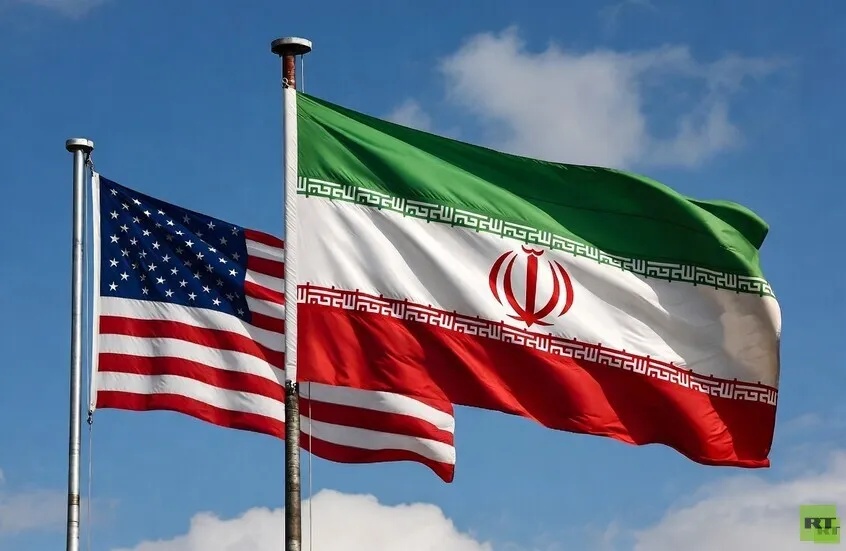
Six billion dollars in Iranian funds held in Qatar, alongside the fate of Tehran's highly enriched uranium stockpile, represent key sticking points hindering a preliminary peace agreement between the United States and Iran. These funds, released by former U.S. President Joe Biden as part of a prisoner exchange in September 2023, were transferred from South Korea and are designated exclusively for humanitarian purposes, such as purchasing food and medical supplies for Iran. U.S. administration officials stipulate that the gradual disbursement of these aids is linked to Iran's fulfillment of specific criteria, including the reopening of the Strait of Hormuz to international navigation and its de-mining. A memorandum of understanding (MOU) is currently under negotiation, aiming to resume shipping in the Strait of Hormuz and allocate additional time for a second round of talks concerning the disposal of approximately 1,000 pounds of highly enriched uranium. In this context, President Donald Trump held a meeting with his national security team, including Vice President J.D. Vance and Secretary of State Marco Rubio, to discuss the final details. Trump affirmed, via his "Truth Social" platform, that he is in the process of making a "final decision" regarding the proposed agreement, emphasizing that the disposal of Iranian nuclear material constitutes a "red line." He stated that the nuclear materials "will be extracted by the United States, in close coordination with the Islamic Republic of Iran and the International Atomic Energy Agency, and destroyed," clarifying that the United States and China are the only countries possessing the mechanical capability to do so. He also announced that "no funds will be exchanged until further notice." Chinese President Xi Jinping had, in principle, agreed to assist in the extraction of nuclear materials during Trump's recent visit to Beijing, though Trump has publicly ruled out shipping them to Russia or China. Other proposals include countries like Pakistan or Turkey acquiring the uranium, or its dilution and retention within Iran. Kazakhstan has also offered its services to IAEA Director-General Rafael Grossi to transfer Iranian uranium to its territory as a potential solution. Despite obstacles, including perceived difficulties in conveying messages with senior Iranian leadership, U.S. officials believe that resolving the final points remains possible within days. Both sides have reached their "closest point" to concluding the MOU, although the timeline for its finalization remains unclear.