

Global
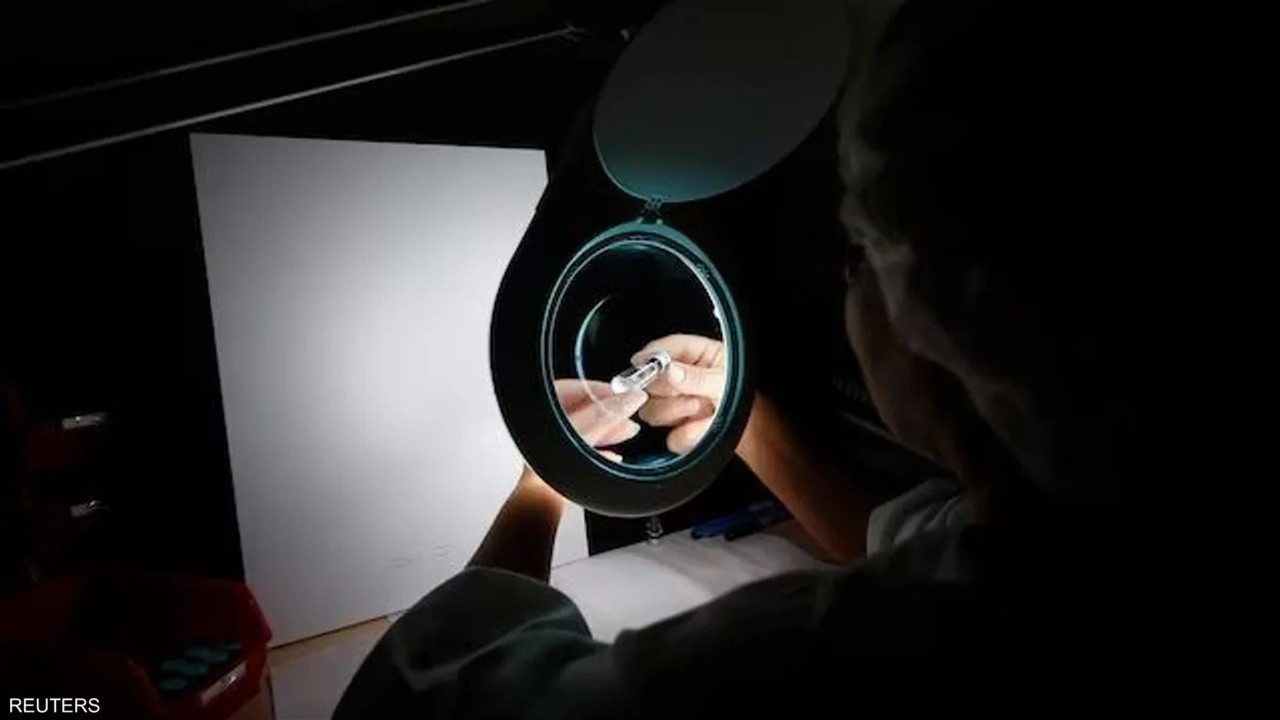
A medical trial conducted in Guinea-Bissau targeting about 14,000 newborns has sparked widespread controversy and sharp criticism due to depriving half of the participating children of the hepatitis B vaccine during the first six weeks of their lives. The study, led by Danish researchers, aims to compare health outcomes between infants who receive the vaccine at birth and others whose vaccination is delayed, amid objections from experts over health and ethical risks, and the resignation of four members from the research ethics committee at the University of Southern Denmark in protest against the trial. Concerns focus on the possibility of infants contracting the virus, which can lead to chronic infection and severe liver damage, while reports indicated that the US Centers for Disease Control and Prevention allocated $1.6 million to support the project.