Sports
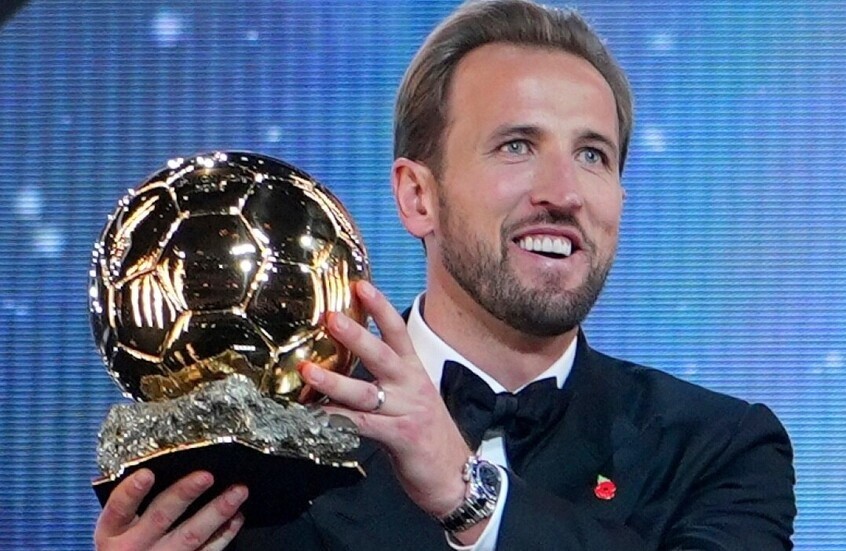
The Ballon d'Or, awarded by "France Football" magazine, is one of the most prestigious individual awards in football, with English star Harry Kane winning it for 2026 as the best player in the world. Although the award is associated with legendary football names, questions arise about its monetary value, manufacturing cost, and the financial gains achieved by the winner. The magazine does not provide any direct financial rewards to Ballon d'Or winners, but players usually receive substantial bonuses from their clubs through special contract clauses, along with significant increases in sponsorship and advertising deals after winning. The direct material value lies in the trophy itself, a handcrafted piece made of two halves of brass coated with pure gold, mounted on a luxurious pyrite stone base. The estimated manufacturing cost is around £2,500 (approximately €3,000), a non-official estimate that does not reflect the symbolic and historical value of the award. Despite the absence of a direct cash prize from the magazine, the true value is found in the global status and historical legacy the title confers, as demonstrated by former stars like Lionel Messi, who holds the record with eight Ballon d'Ors, showing how this recognition boosts a player's marketing and commercial value over a lifetime.