policy
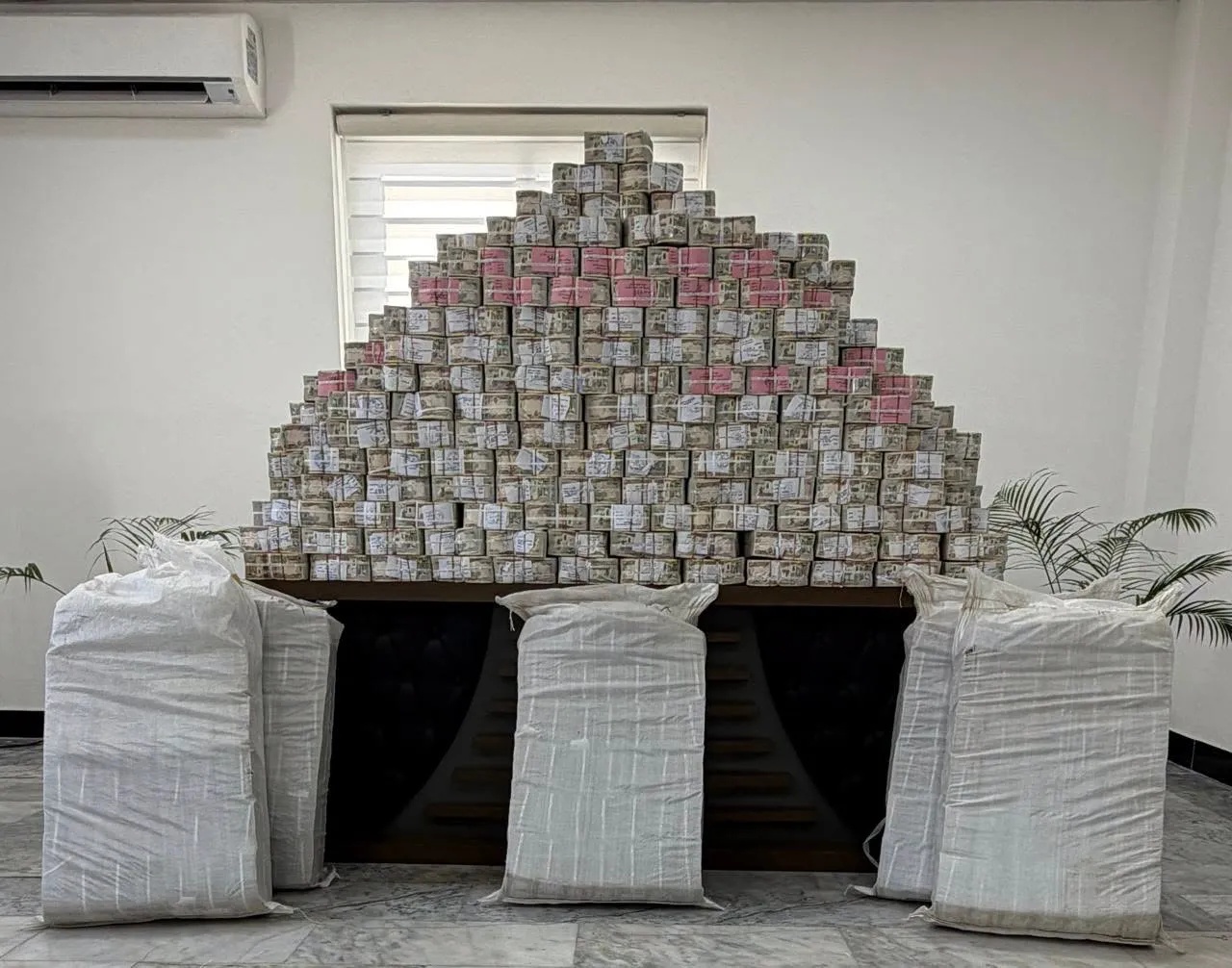
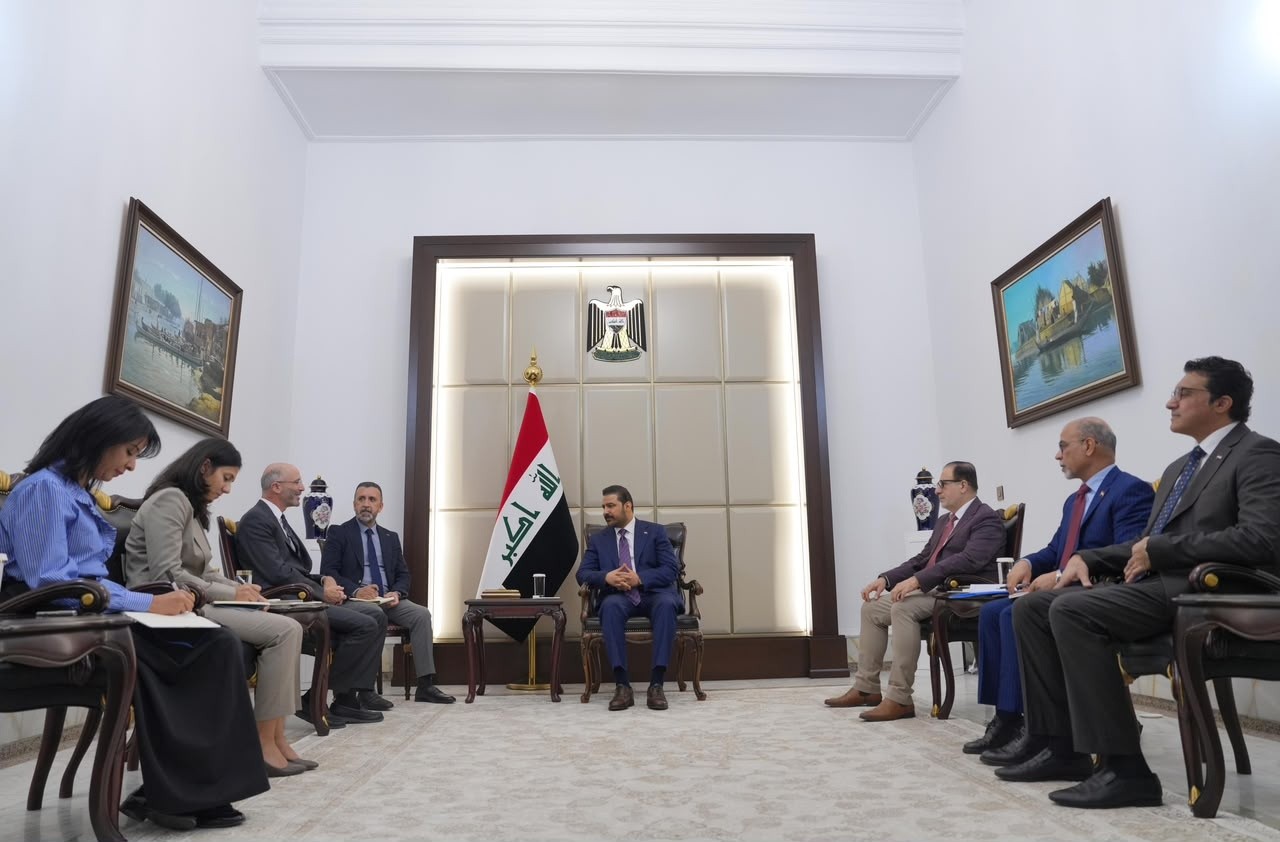
The United Nations affirmed Iraq's notable qualitative progress in its anti-corruption efforts. Yama Tarabi, Project Manager for "Combating Corruption and Promoting Arbitration" at the international body, stated in a press release that the anti-corruption program has seen diligent governmental steps, particularly in pursuing and recovering illicit assets. Tarabi highlighted Iraq's capacity to narrow the gap between proven damage cases and civil lawsuits, while also addressing procedural errors and improving legal representation quality and continuity. He stressed the importance of a sustained payment approach and non-finality of judgments in some cases. Dr. Abdullah Al Dardari, Regional Director for Arab States at the United Nations Development Programme (UNDP), stated the program has supported Iraqi institutions in this field over the past decade. Al Dardari explained cooperation facets included backing the national integrity and anti-corruption strategy, providing technical aid for pivotal legal reforms, and supplying experts and equipment to the Iraqi Anti-Corruption Academy. The program also organized specialized training for various entities and facilitated cooperative relationships, including developing tools and agreements with peer nations for mutual legal assistance, extraditing corruption suspects, and recovering funds. Al Dardari reported Iraq's tangible progress in combating corruption over the last decade, reflected in a slight improvement in relevant international indicators. Its Corruption Perception Index ranking advanced from 161st out of 168 countries (16 points) in 2015 to 136th out of 182 countries (28 points) by 2025. He stressed the current government's commitment to this approach, recognizing anti-corruption as a fundamental means to enhance public service quality, attract investment, accelerate socio-economic development, and improve resource utilization for the people. Al Dardari further elaborated: "From a developmental perspective, corruption shouldn't be narrowly viewed as merely the theft of public resources better allocated for promoting development and achieving well-being, despite its severe direct harm. Global direct financial losses from corruption are estimated at $3.6 trillion annually, nearly matching the current financial gap in funding 2030 Sustainable Development Goals worldwide."