policy
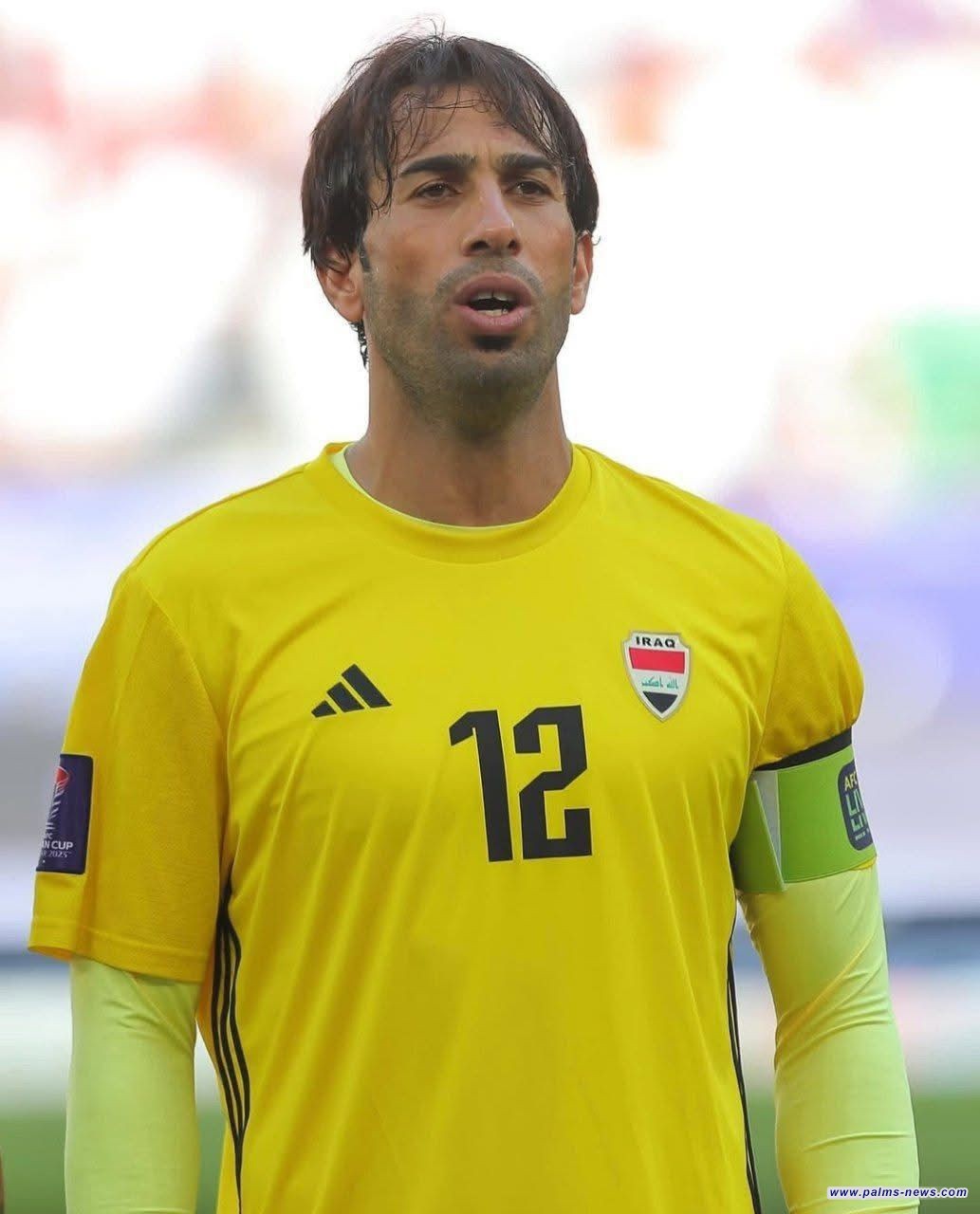
Behind the scenes of Iraqi football, what many supporters describe as a major footballing scandal continues to unfold, with Iraqi fans paying the price through frustration, disappointment, and shattered expectations. At the center of the controversy is goalkeeper Jalal Hassan, whose performances in crucial matches have led many critics to label him as one of the least successful goalkeepers and captains in the history of Iraqi football. Despite the growing criticism, the Iraqi Football Association continues to place its confidence in him, a decision that many supporters view as a direct challenge to public opinion.
The controversy has also drawn attention to what critics see as the growing influence of political and partisan interference in football affairs. According to many dissatisfied fans, these influences have contributed to the continued inclusion of players commonly referred to as the national team's "dead weight," including Zaid Tahseen, Mustafa Saadoun, and Ibrahim Bayesh. Their critics argue that these players lack the technical qualities required to represent Iraq at the highest level and question the basis on which they continue to be selected.
Within Iraqi sporting circles, criticism is frequently directed toward Younis Mahmoud, who is often described by his opponents as the "spiritual father" of the favoritism and compromises that they believe have weakened the national team. Detractors argue that such practices have placed personal and political considerations ahead of sporting merit, ultimately harming the future of Iraqi football.
Today, millions of Iraqis are united in calling for decisive action. Supporters are appealing directly to Prime Minister Ali Al-Zaidi to intervene, address what they perceive as systemic failures within the national team, and implement reforms aimed at restoring credibility, competitiveness, and public confidence in Iraqi football. For many citizens, sport remains one of the few spaces capable of bringing Iraqis together, making the future of the national team a matter of national significance and public concern.