Global
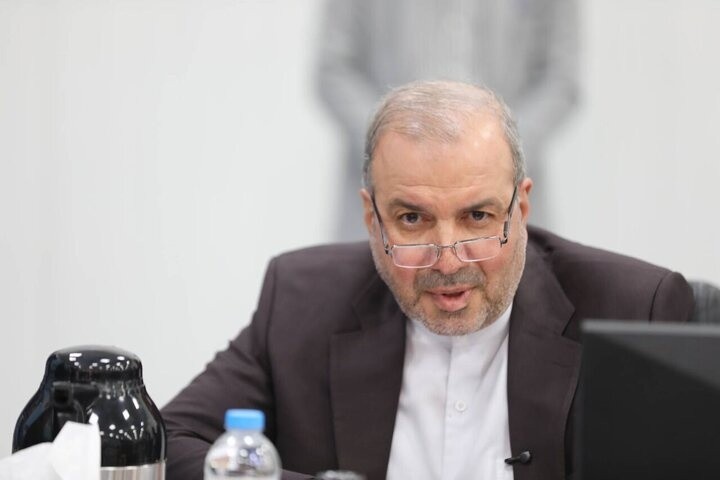
Baghdad possesses an expanding capacity to undertake mediation and bridge viewpoints among Islamic countries, Iranian Ambassador to Iraq Mohammad Kazem Al-Sadegh affirmed on Saturday, underscoring the great significance of the Iraqi capital hosting the fifty-second session of the Council of Foreign Ministers of the Organization of Islamic Cooperation. The Iranian envoy stated that the official presence of Tehran through a delegation led by Foreign Minister Abbas Araghchi prioritizes intensive bilateral and multilateral discussions with participating ministers, aiming to establish direct communication, eliminate misunderstandings, and advance shared multilateral cooperation projects. Al-Sadegh outlined three fundamental pillars forming the core of the Iranian agenda, which include the comprehensive condemnation and confrontation of Zionist aggression, the consolidation of regional security away from foreign interference, and the strengthening of economic and technological integration among Islamic nations. During the ministerial summit, the Iranian foreign minister is scheduled to present his countrys perspective on recent developments and violations targeting its territorial integrity and the wider Islamic nation, while submitting actionable proposals to enhance collective support for the Palestinian and Lebanese peoples and pursuing diplomatic consultations to activate joint partnership frameworks. The ambassador explained that the frequent visits by the Iranian foreign minister to Iraq carry a decisive political message reflecting the strategic priority Tehran places on its ties with Baghdad, emphasizing that these engagements transcend routine protocol to maintain an active diplomatic momentum. This sustained interaction has already yielded tangible results through the conclusion and execution of comprehensive agreements across security, judicial, and economic domains, in addition to expediting transport infrastructure projects and solidifying border security cooperation across land and airspace, thereby transforming bilateral relations into a structured strategic partnership that enhances overall regional stability. Furthermore, Al-Sadegh noted that convening the ministerial session in Baghdad following a hiatus of more than four decades comes at an exceptionally critical juncture amid overlapping regional crises, warning that foreign meddling and Israeli actions jeopardize both national security and economic viability across Muslim states. Pointing to escalating tensions from Palestine, Lebanon, and Syria to Sudan and Afghanistan, he warned that inadequate coordination emboldens hostile actors, urging member states to adopt practical mechanisms to halt aggression, resolve internal disputes fraternally, and safeguard sovereign resources. Stressing that the conference slogan regarding dialogue and solidarity requires concrete implementation, he reaffirmed Tehrans complete backing for the Iraqi presidency, noting that Iraq's balanced foreign policy and geopolitical standing uniquely position it to act as an effective bridge between the Arab world and its regional neighborhood.