
Global
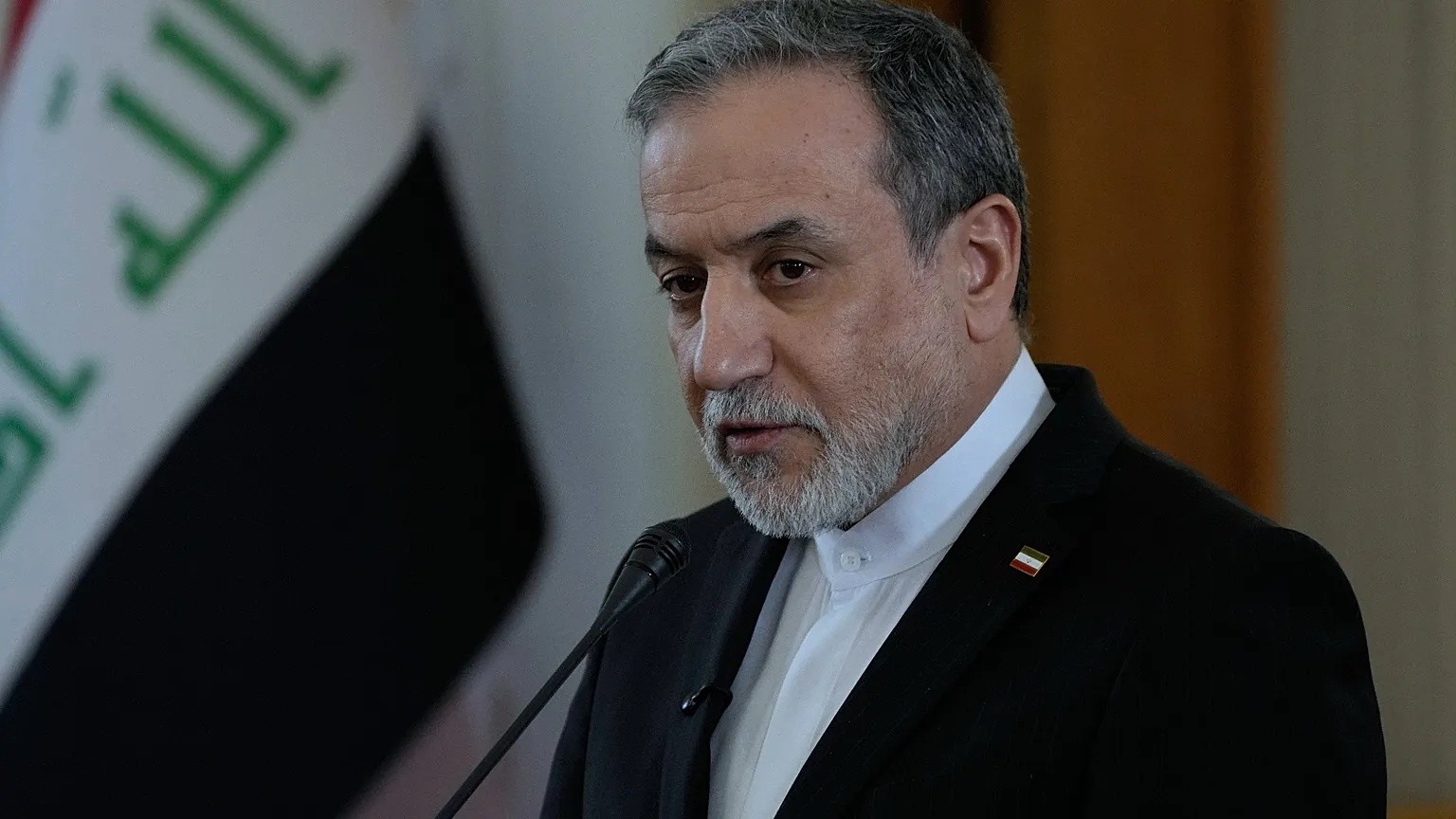
Iranian Foreign Minister Abbas Araghchi reaffirmed that his country will firmly defend its territorial integrity, national sovereignty, and legitimate interests amid ongoing regional challenges. Speaking on Saturday at the fifty-second session of the Council of Foreign Ministers of the Organization of Islamic Cooperation held in Baghdad, he stated that maritime disruption and growing regional instability are direct consequences of hostile military actions carried out by the United States and Israel. The top diplomat began his address by expressing gratitude to the government and people of Iraq for their warm hospitality and hosting of the gathering. He emphasized the significance of convening in Baghdad, a historic center of cultural dialogue, noting that solidarity and cohesion across the Islamic world are vital to confronting shared threats, defending common interests, and amplifying the unified voice of member states within the international arena. Araghchi emphasized that keeping diplomatic communication open among Islamic nations is a fundamental responsibility rather than a reflection of weakness. He reviewed the OIC founding charter, which mirrors United Nations principles regarding sovereign equality, territorial integrity, non-intervention in internal affairs, and the peaceful resolution of disputes without the threat of military force, warning that these rules lose value when applied selectively. Highlighting Tehran diplomatic trajectory, Araghchi affirmed that Iran maintained a consistent adherence to international law over the past two years, whereas Washington pursued escalation through aggressive warfare, economic sanctions, and assassinations. He reported that military assaults by US and Israeli forces led to the death of nearly five thousand Iranians, including hundreds of women and children, alongside illegal targeting of the Supreme Leader and senior political and military commanders. The Iranian foreign minister cited several documented incidents as evidence of deliberate aggression, including the deaths of over 160 students and teachers in Minab, the cluster bomb attack on Lamerd sports stadium, the strikes on Qeshm Island water desalination facility, and the bombing of a wedding party in Kouhestak. He urged member states to adopt a resolute collective stance against blatant infringements targeting an OIC founding member sovereignty. Araghchi stressed that upholding legitimate national defense does not contradict the pursuit of enduring peace, adding that military force and existential threats cannot resolve conflicts. He reaffirmed Iran commitment to secure passage through the Strait of Hormuz, an essential trade artery that remained fully open until February 28, 2026, when foreign attacks destabilized the area, noting that maritime security cannot be restored through renewed aggression and blockades. Concluding his remarks, the minister commended mediation efforts by Pakistan with support from Qatar, which produced the Islamabad Memorandum of Understanding on June 17. Araghchi explained that Iran promptly engaged in technical talks with the Sultanate of Oman to guarantee vessel passage, restoring maritime traffic to around 60% within two weeks, before unilateral US military actions halted the agreement and bypassed its dispute-resolution frameworks.