
Eco
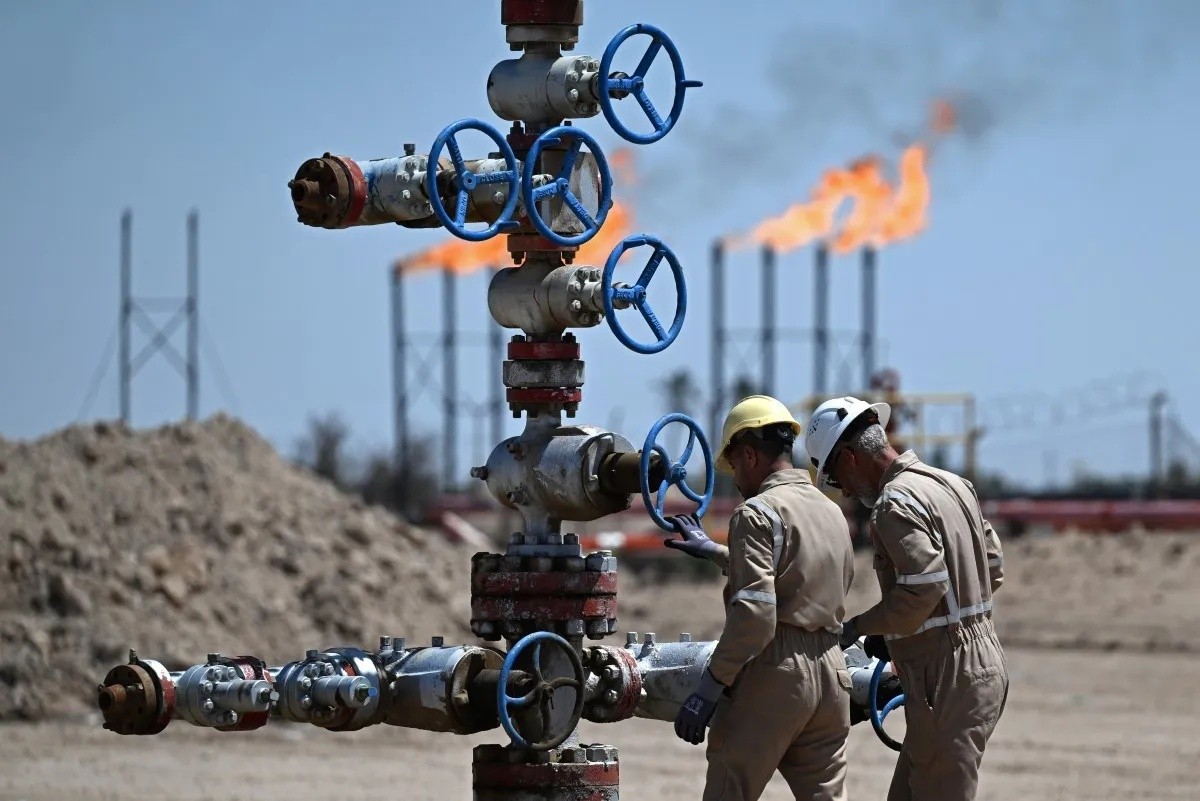
Oil prices climbed for a second consecutive session on Tuesday, driven by persistent concerns over potential supply disruptions from the Middle East amid the ongoing conflict between the United States and Iran. This rise occurred despite indicators suggesting a recovery in crude exports from the region. Brent crude futures advanced by $1.82, or 1.73%, to reach $107.10 per barrel by 04:07 GMT. Similarly, US West Texas Intermediate (WTI) crude saw an increase of $1.54, or 1.66%, settling at $94.14. Preliminary data released on Monday revealed that crude oil exports from major Middle Eastern producers rebounded in September, reaching 12.8 million barrels per day, the highest level recorded since February. This resurgence was primarily attributed to increased shipments from Saudi Arabia and the United Arab Emirates. Tim Waterer, an analyst at KCM Trade, commented on the situation, stating, "A clearer picture is forming of increased oil export volumes leaving the Gulf region, but much of this increase still relies on alternative solutions." In a related development, officials from the United States and Iran have held separate talks with mediators as part of renewed efforts to end the seven-month-long war. Any upcoming discussions are widely expected to focus on a modified version of a seven-day proposal put forward by Iran last week on the sidelines of the United Nations General Assembly. Waterer further added that "this persistent hope for an agreement is arguably the key factor preventing Brent crude from sustainably rising above $110 in the near term." He also pointed out the presence of competing factors, as traders attempt to differentiate between genuine and specious indicators. The conflict, which commenced in late February with US and Israeli attacks on Iran, has brought significant attention to the Strait of Hormuz. This vital shipping lane for oil and gas supplies has seen its potential disruption cause considerable turmoil in energy markets.