
Technology
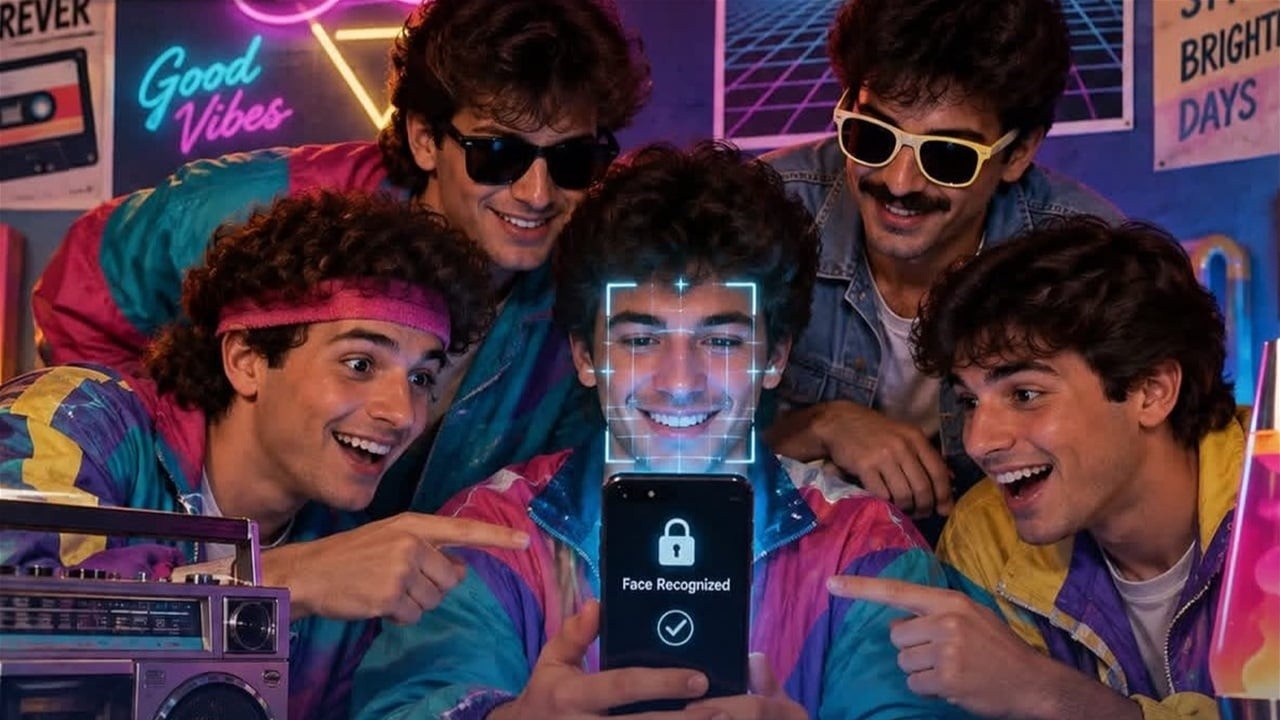
Social media platforms have recently witnessed a widespread surge of the "80s trend," a phenomenon that evokes users' nostalgia for that era through filters and applications that transform their personal photos into an old-fashioned style. These images are characterized by distinctive details such as wide sunglasses, loud hairstyles, and classic denim jackets in vibrant colors. However, cybersecurity experts warn of a hidden dark side behind this appeal and apparent joy, cautioning that this extensive interaction might be a technical trap specifically designed to lure users into providing their most valuable asset: their biometric data. **How Does the "80s Filter" Turn into a Spy Tool?** These applications and websites rely on enticing followers to upload their personal photos to apply era effects using artificial intelligence algorithms. Nevertheless, the software mechanism managing these operations raises many suspicions: * **Comprehensive Face Scan:** When a photo is uploaded, the system does not merely add superficial effects but performs an extremely precise scan of the face's topography. * **Biometric Print Extraction:** The exact dimensions forming the unique facial biometric print are extracted. These are the same data points modern devices use as an alternative to traditional passwords for unlocking phones and authenticating identities. **The Real Danger: Why Is Face Print Theft a Digital Nightmare?** The risk here transforms from mere ordinary photo leakage into a direct threat to the user's digital and financial security: * **Irreversible Data:** If a password is compromised, it can be changed in seconds. However, it is impossible to alter one's facial features if the biometric print falls into the hands of hackers. * **Bank Account Hacking:** Biometric prints are currently used to confirm banking transactions in most banking applications. * **Deepfake and Extortion:** Exploiting user photos in Deepfake technologies to produce fake videos that could be used for fraud or extortion. * **Black Market:** Selling these massive databases of data on the "Dark Web" to feed surveillance and facial recognition systems without the owners' consent. **Unknown Links… The Easiest Bait to Hack Your Phone** The situation becomes more complex with the spread of unknown external links whose promoters claim they offer better results. These links often contain malicious software or phishing pages aimed at completely hacking the phone and accessing its entire photo gallery. **How to Enjoy the Trend Without Falling into the Trap?** To avoid falling into these traps without depriving oneself of the pleasure of participating in digital trends, experts recommend the following: * **Avoid External Links:** Completely avoid any unknown link outside official platforms. * **Rely on Official Filters:** Only use built-in tools within trusted applications such as Instagram or TikTok. * **Manage Permissions:** Be sure to review privacy policies and revoke camera and gallery access permissions immediately after using these filters. Nostalgia remains a part of human nature that applications cleverly exploit, but abandoning digital caution for a "fake 80s photo" could cost a great deal in the present and future.