
Technology
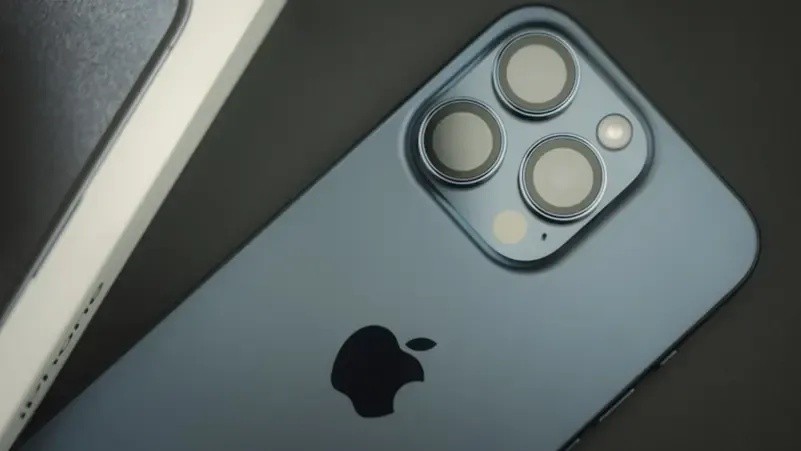
Japan has emerged as an unexpected destination for purchasing iPhones at the lowest global prices, strongly competing with markets such as the United States and China. Apple stores in major Japanese cities like Tokyo and Osaka have become a primary attraction for tourists and foreign shoppers seeking significant savings when acquiring the American company's latest devices. This trend has led numerous global price comparison platforms to rank Japan among the cheapest iPhone markets. Data from Nukeni, a platform specializing in tracking Apple product prices worldwide, showed that Japan was among the three least expensive countries to buy the iPhone 16 upon its launch, directly behind the US and China. The basic version's price in Japan was recorded at approximately 124,800 Japanese Yen, equivalent to about $800 USD, significantly lower compared to prevailing prices in other markets like Europe, Brazil, and Turkey. The fundamental reason behind this phenomenon lies in the currency market, not in Apple's manufacturing operations. For years, the Japanese Yen has suffered from a noticeable weakness against the US Dollar, a result of the large gap between interest rates in Japan and those in the United States. This weakness prompted Apple to keep its device prices within Japan relatively lower than those offered in other markets for an extended period. For foreign consumers holding dollars or dollar-linked currencies, the Yen's depreciation automatically turns the Japanese price into an attractive deal when converted to dollars. This even led some Apple price tracking websites to consider the weak Japanese currency a factor making Japan one of the cheapest Asian markets for purchasing the company's devices, especially when taking advantage of tax-free shopping for tourists. Japan offers an additional advantage for foreign visitors: the ability to purchase products from major electronics stores, such as Bic Camera and Yodobashi Camera, without paying the 10% consumption tax in many cases. This exemption provides buyers with extra savings on top of the favorable exchange rate. Recent estimates indicate that some buyers can save between 10% and 25% compared to their local market prices when buying iPhones in Japan, depending on their country of origin and the prevailing exchange rate at the time of purchase. Paradoxically, Apple maintained stable iPhone prices in Japan for longer than many analysts expected, despite the significant decline in the Yen's value. Technology reports indicated that the company was absorbing part of the currency fluctuation impact to maintain its competitiveness in the Japanese market, which kept prices there lower than in many advanced economies. However, this situation did not last indefinitely. In July 2026, Apple raised iPhone prices in Japan by 8% to 11%, depending on the model, marking the largest regional price adjustment seen in the Japanese market in years. The basic iPhone 16's price increased from 114,800 Yen (equivalent to $736.13) to 124,800 Yen (equivalent to $800.26), while some newer models saw a jump of over 20,000 Yen. Most analyses attributed this move to the continued weakness of the Yen, rather than solely to rising component costs. Despite the recent wave of increases, Japan still maintains a noticeable price advantage compared to a large number of global markets. Analysts point out that Japanese prices remain attractive due to three combined factors: the weak Yen, tax exemptions for tourists, and Apple's specific local pricing strategy. For the average consumer, this might seem like just a difference in phone price, but it actually reflects a broader economic story: a weak currency that helped make one of the world's most famous tech products cheaper in Japan than in wealthier and more monetarily powerful nations. Thus, while investors track the movements of the Bank of Japan and the Federal Reserve, iPhone enthusiasts also monitor the Yen's price, as it might be the hidden factor determining where the world's most popular phone can be bought at the lowest cost.