

Global
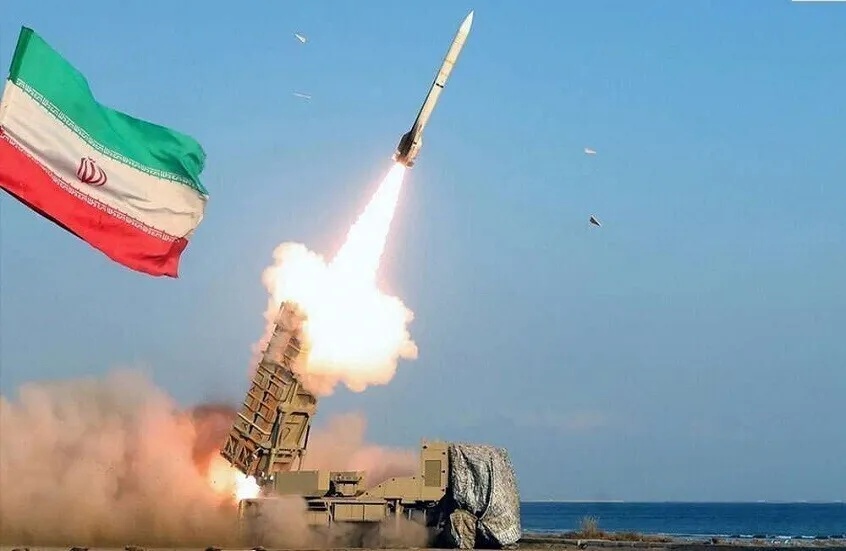
Recent intelligence assessments indicate that Iran has largely restored its defensive capabilities in the Strait of Hormuz region, coinciding with the implementation of a ceasefire in April. The US Central Command (CENTCOM) had previously announced a new series of strikes targeting approximately 80 to 90 military sites within Iranian territory, describing them as a response to attacks on commercial vessels in the Strait of Hormuz. For its part, the Iranian Revolutionary Guard Corps (IRGC) announced launching missile and drone strikes targeting dozens of American military sites in the Middle East, including bases in Bahrain and Kuwait. Reports indicated that US forces directed strikes at targets, including those near the Strait of Hormuz. Assessments noted that Tehran has since regained its military capabilities in the region following the recent truce, pointing to operations such as the transfer of small, portable radars. Reports also indicated that Iran successfully salvaged and repaired hundreds of missiles and launch platforms that were damaged during American attacks prior to the ceasefire agreement. According to informed sources, Tehran now has access to over 50% of its pre-conflict missile and platform inventory. Circulating intelligence reports carry critical military and geopolitical details regarding how and why Iran restored its military capabilities. Intelligence estimates suggest that Iran successfully regained operational access to 30 out of 33 missile sites extending along the strategic Strait of Hormuz. Tehran utilized a network of fortified underground production and storage facilities known as "missile cities." These complexes are located at depths exceeding 70 meters underground, which provided them with very high protection from conventional American and Israeli strikes throughout the conflict, and facilitated the process of extracting and repairing missiles and platforms away from aerial surveillance. Despite the Pentagon's previous announcement of the "virtual" destruction of Iran's missile capabilities, recent American intelligence assessments have raised the estimations, indicating that Tehran may have retained or recovered approximately 70% of the mobile missile launch platforms it possessed before the outbreak of hostilities.