
Eco
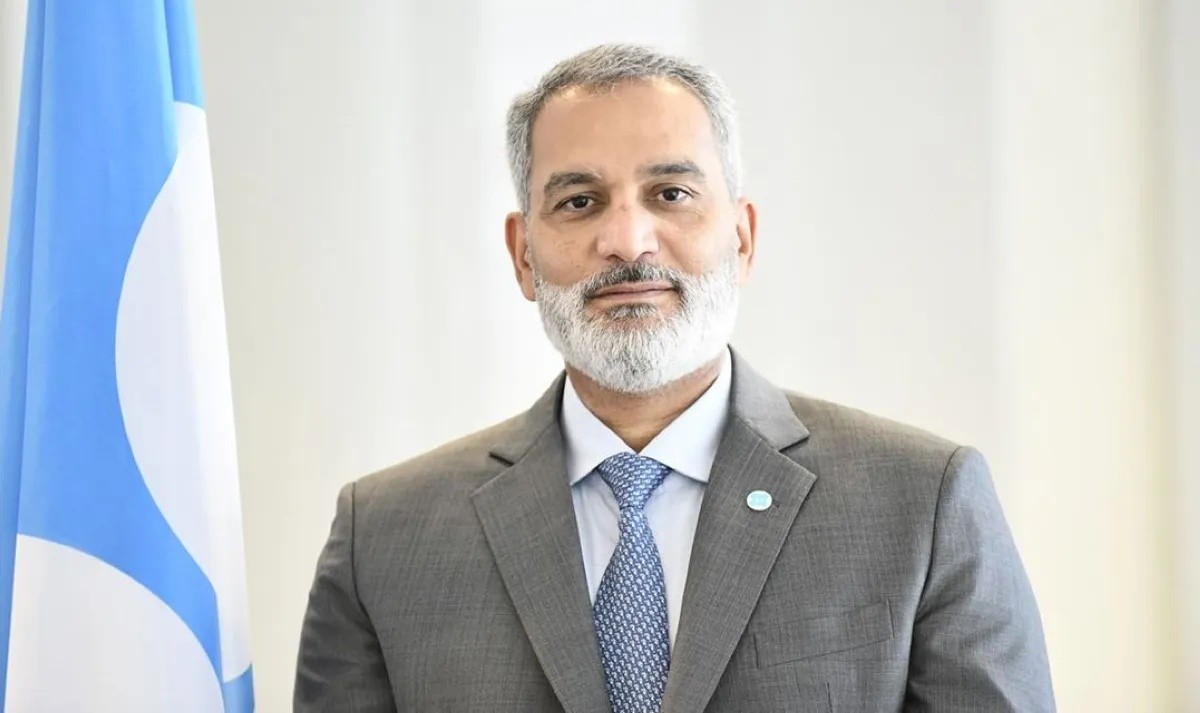
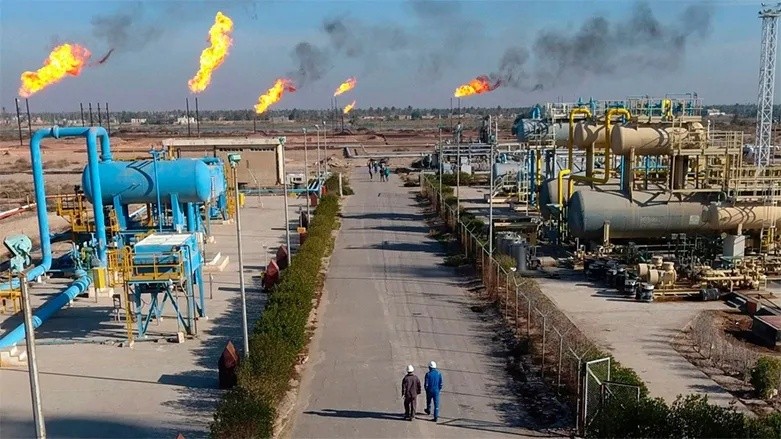
OPEC Secretary General Haitham Al Ghais emphasized that ensuring the stability and balance of global oil markets is a strategic priority for the organization, stressing that OPEC's policies do not aim to steer or determine oil prices. Al Ghais highlighted the pivotal role of the OPEC+ alliance in protecting the global economy from sharp fluctuations in energy supplies, expressing confidence in the decisions taken by the alliance over the past years. He further explained that some member countries, in cooperation with regional and international partners, have resorted to alternative logistical routes to address supply constraints resulting from geopolitical tensions in the Strait of Hormuz, ensuring the continued flow of energy to global markets. Al Ghais described recent developments related to the security of maritime passages in the Middle East as "temporary," affirming that member states have shown great flexibility and commitment to their role as reliable energy suppliers. He stressed that diplomacy remains the best way to achieve lasting solutions. The OPEC Secretary General warned against the risks of underinvestment in the oil sector. He clarified that meeting the anticipated growth in global demand requires cumulative oil investments of approximately $17.7 trillion by 2050. According to the organization's "World Oil Outlook 2050" report, global oil demand is projected to rise to about 124 million barrels per day by 2050. This increase is driven by a global population growth of approximately 1.4 billion people, a doubling of the global economy, and continued urbanization. Al Ghais called for a re-evaluation of the "energy transition" concept, proposing the term "energy additions" instead. His suggestion comes amid record consumption levels for coal, oil, gas, and renewable energy recorded in 2025, emphasizing that energy sources can complement rather than compete. He pointed out that approximately 655 million people worldwide lack electricity, while nearly two billion people suffer from a lack of safe cooking fuel. He considered that addressing this energy gap requires a comprehensive approach that takes into account various energy sources, technologies, and the needs of populations.