Eco
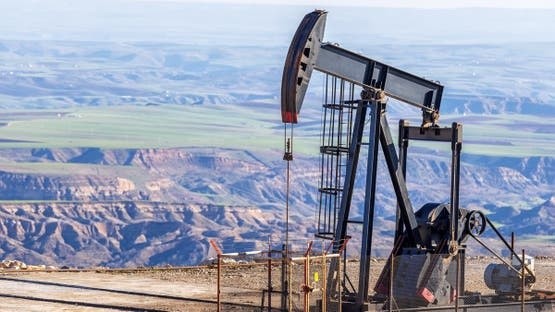
OPEC oil production increased last June, recovering from its lowest levels in over two decades. This rise followed the resumption of oil supplies from Gulf member states, which had been halted during the conflict with Iran and the subsequent de facto closure of the Strait of Hormuz. Estimates indicated that the Organization's output, comprising eleven member nations, surged by 3.3 million barrels per day in June compared to the previous month, reaching a total of 19.43 million barrels daily. This volume reflects a noticeable rebound from the preceding month, which recorded the lowest monthly quantity since at least 2000, and was significantly below levels seen during the COVID-19 pandemic in 2020 when demand collapsed. The largest production increases originated from Kuwait and Iran, following the United States' lifting of the blockade on Iranian ports, which had imposed production cuts. Informed sources also reported increased output from Saudi Arabia and Iraq. Additionally, Nigeria and Libya, whose shipments remained unaffected by the Iranian conflict, also boosted their production. It is noteworthy that seven members of the "OPEC+" alliance (which includes OPEC countries and allies like Russia) had agreed to raise production in June; however, the conflict with Iran prevented its realization at that time. These estimates are based on crude flow data, information from flow-tracking firms, and insights from sources within oil companies, OPEC, and sector consultants.