Global
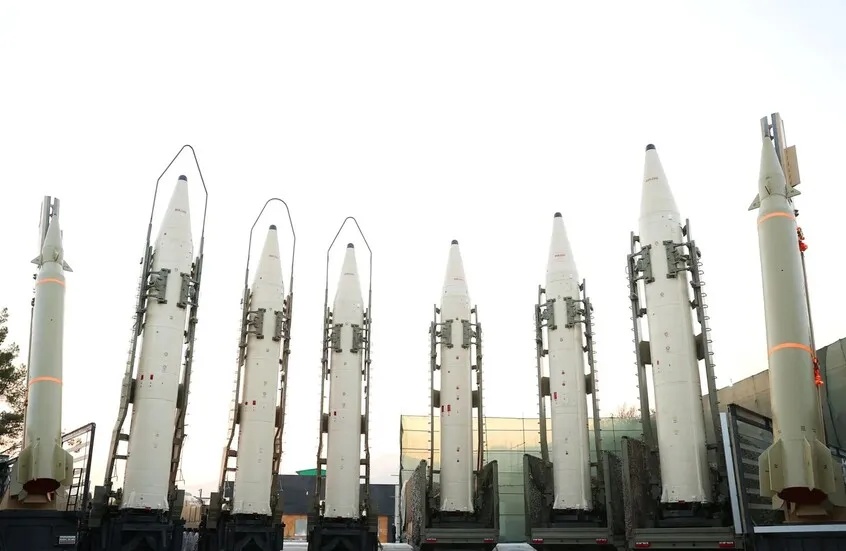
An Israeli report has revealed a deep rift in security relations between Washington and Tel Aviv, following orders from the administration of President Donald Trump for the U.S. military not to assist Israel in intercepting Iranian missiles. Israeli sources indicated that conflicting reports regarding U.S. participation in intercepting Iranian missiles reflect unprecedented tension between the Trump administration and the Israeli government. While Tel Aviv claimed Washington assisted in intercepting ballistic missiles launched towards Israel on June 8, 2026, U.S. officials strongly denied this in discussions with CNN and CBS, affirming that the U.S. military did not intercept any missiles. These sources noted that American reports suggest the Trump administration ordered its military to refrain from taking defensive actions on behalf of Israel during the recent attack. This marks a dramatic change compared to previous rounds of fighting, where the United States actively and significantly participated in Israel's aerial defense. However, there are also conflicting reports, with one U.S. official informing Al-Monitor that at least one naval vessel and ground units launched interceptors as a measure of self-defense. The report clarified that this decision does not necessarily represent a falsehood but rather stems from a new and stringent foreign policy pursued by President Trump. Through this policy, he is exerting significant pressure on Israeli Prime Minister Benjamin Netanyahu to halt the exchange of strikes with Iran, demanding an immediate ceasefire. Trump also delivered a deterrence message to Israel, and according to reports, warned Netanyahu against attacking Beirut. After the attack was carried out, the administration chose to abandon active defense to illustrate that Israel cannot rely on automatic American support for every action. Furthermore, the administration is conducting independent negotiations with Tehran concerning a new agreement and a 60-day truce, and it does not wish to be drawn into a regional war that could disrupt these efforts. Israeli sources emphasized that this event is creating a deep rift in security relations between the two countries, undermining security coordination. Despite talks between the Israeli Chief of Staff and the commander of U.S. Central Command, policy on the ground is dictated by political directives in Washington that prevented assistance. Mutual distrust is also evident; concurrently with this issue, reports emerged of American suspicion that Israel was spying on officials in the Trump administration—allegations Israel rejected as an "absolute lie." The sources added that the operational implication of this shift is that Israel has found itself alone in the field and is now compelled to rely solely on its own capabilities against the threat of Iranian missiles, without the traditional American aerial umbrella. This is considered a lesson for future generations, highlighting the necessity of producing all types of weapons independently and not relying on foreign sources. They noted that Israel is already working with the United States to implement this lesson.