Global
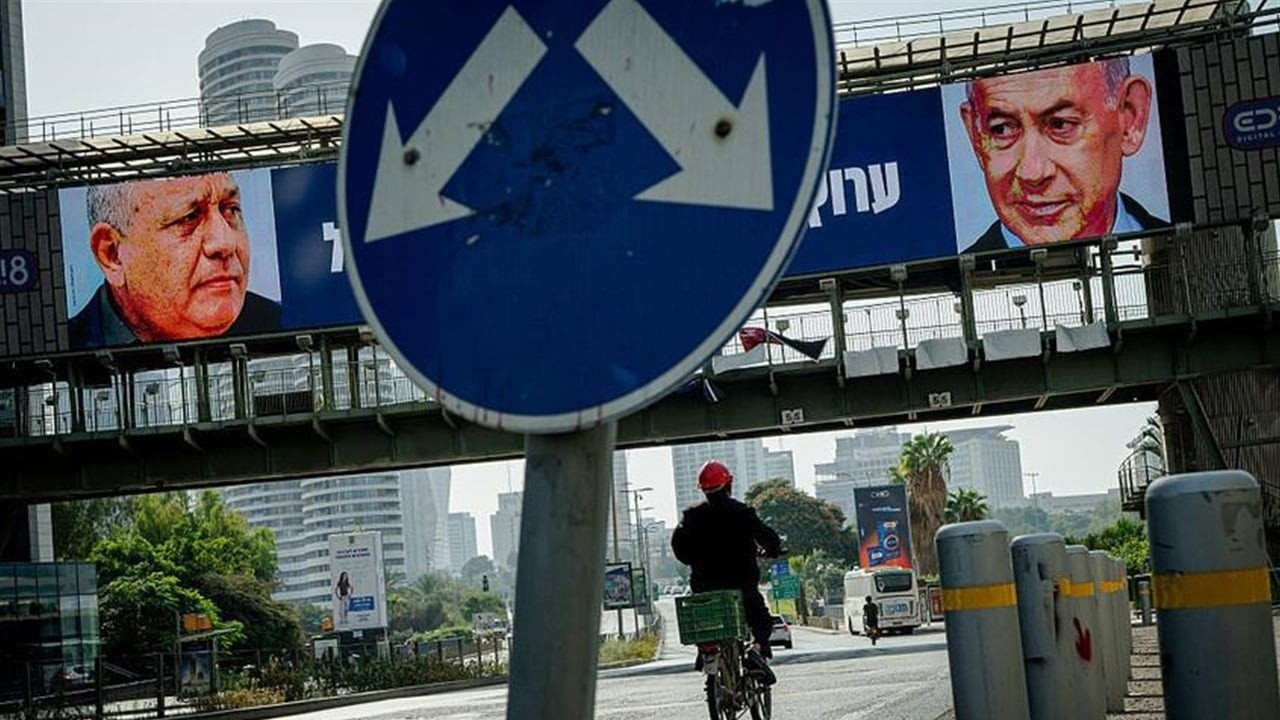
The current Israeli government, whose term has ended, continues to manage the country with limited powers, raising concerns about the potential use of a confrontation campaign with Iran to influence the formation of the new government or push towards an emergency government. The caretaker government leads the country until a new government is formed, amid possibilities of another military campaign against Iran. The legal status of this government's powers raises concerns about political maneuvers that might use war as a tool to affect the upcoming government's formation or impose an emergency government. Legally, the caretaker government must exercise restraint and moderation, avoiding irreversible decisions that could present the elected government with a fait accompli, and must consult the legal advisor in non-routine matters. According to the basic law, a caretaker government is not prohibited from deciding on war, provided the decision is made within the government or the cabinet, noting that previous operations like "Guardian of the Walls" and "True Dawn" were limited and based on tangible warnings, not broad wars initiated by Israel. The leader of the "Yeshar" party, Gadi Eisenkot, warned security chiefs against exploiting Israel's security situation for political purposes, following Prime Minister Benjamin Netanyahu's remarks about ongoing tensions with Iran and a report indicating Gulf states' readiness for a short, intense campaign after the U.S. midterm elections on November 3. Any military campaign during this period would impact government formation negotiations, as the sensitive window extends from election day until the Knesset oath around November 10, followed by presidential consultations. Critics of Netanyahu believe such a war could lead to forming a unity or emergency government as in previous instances, despite no public evidence supporting this scenario.