
Security
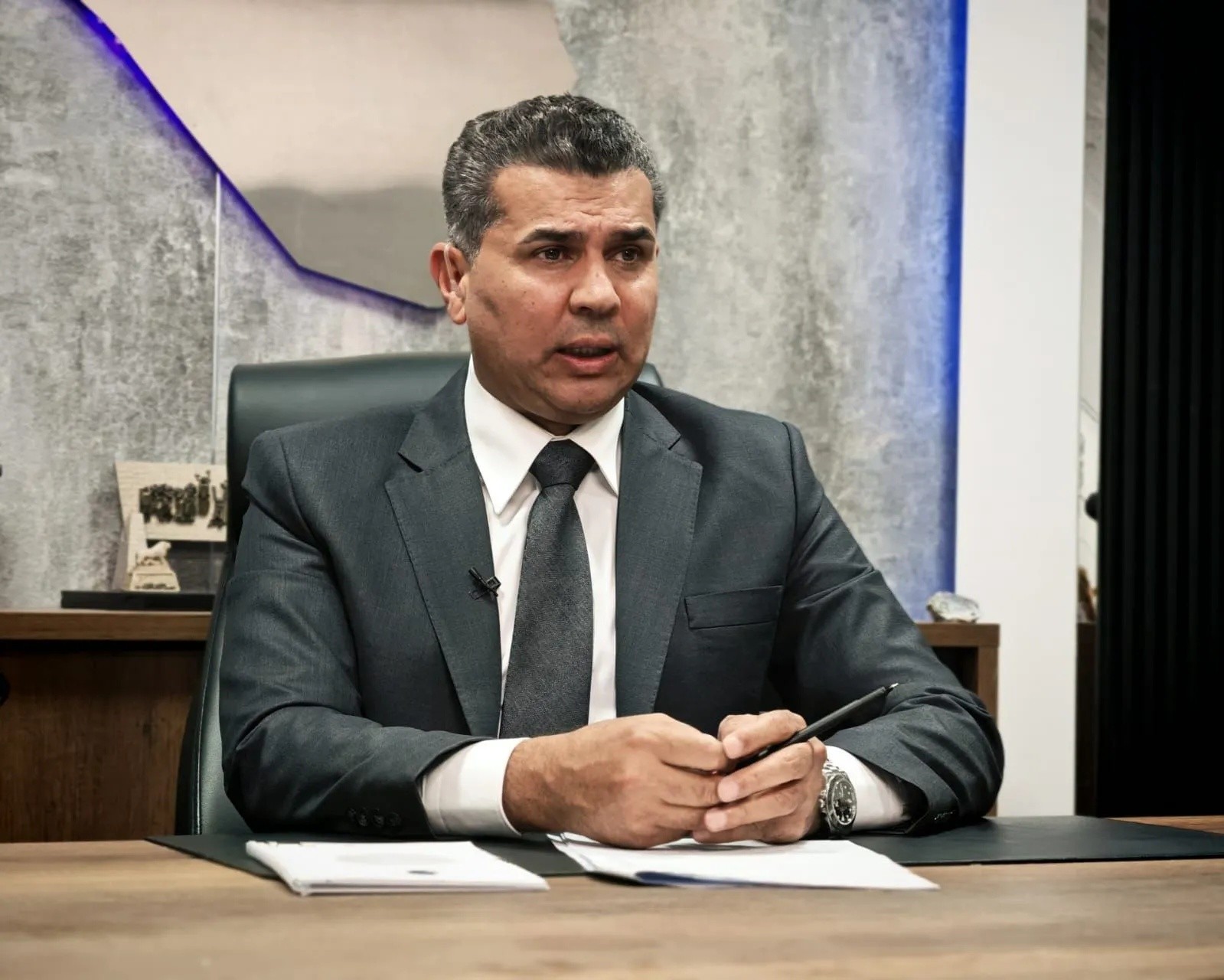
Lieutenant General Saad Maan, head of the Security Media Cell, announced on Monday stringent legal penalties for those inciting sectarianism and promoting hate speech. He also indicated the imminent launch of a dedicated platform for reporting such incidents. In a statement to the official agency, Maan affirmed: "The law and legal provisions are the decisive factor in identifying hateful and sectarian speech on social media." He stressed "the importance of clear legal and constitutional awareness to distinguish between freedom of opinion and expression and matters related to others' privacy, reputation, and national security." Maan explained, "Legal action is the determinant when an act falls under a legal article." He noted "Article 200/second of the Iraqi Penal Code is most directly relevant to the Ministry of Interior's committee." This article punishes "anyone who promotes sectarian strife, incites conflict between sects and races, or stirs hatred and animosity among Iraqis." He stated that "the penalty is imprisonment for up to seven years or detention, applicable to hate speech on social media." Maan also cited other supporting texts, like "Article 202, addressing public insult to the Iraqi people or any segment thereof, stipulating imprisonment for up to 10 years or detention." He added, "Article 210 concerns deliberate dissemination of false and malicious news, statements, or rumors, or broadcasting inflammatory propaganda, if it disturbs public security, instills panic, or harms public interest." He continued, "Article 211 penalizes publishing false news or fabricated facts falsely attributed to others, if it disturbs public security and harms public interest." Maan clarified, "The issue is not just about sectarian and ethnic discourse; it directly impacts disturbing security." He explained that "sectarian discourse targeting a specific group can affect internal security." He affirmed: "The specialized court decides which article is most applicable, after the investigative judge completes the preliminary investigation and refers the case." Regarding the upcoming platform for reporting sectarian posts, Maan noted "the ministry has advanced security, technical, and cybersecurity cadres for sorting and analysis, with capability to operate this platform effectively." He mentioned "close cooperation with key departments: intelligence, national security, and the Ministry of Interior." He indicated "these entities possess high skills in understanding, sorting, and analysis." He confirmed "citizens will find part of this mechanism upon the platform's official launch." He concluded: "We have significant capabilities and advanced technical devices to differentiate between individual violations and organized collective work, identifying those behind them on social media."