
Local
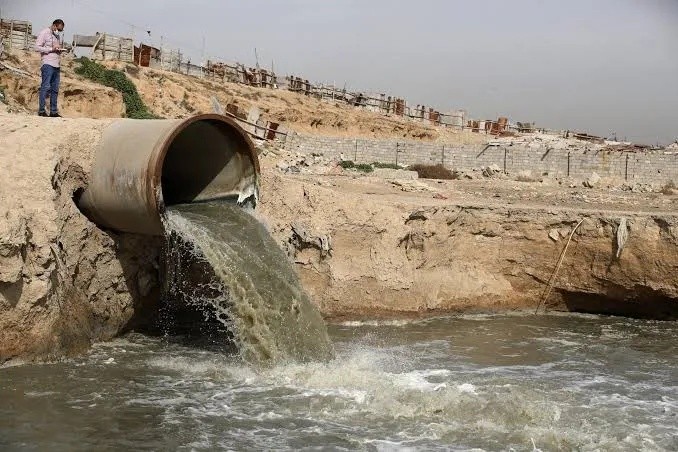
The Iraq Green Observatory announced that addressing pollution in the Tigris and Euphrates rivers requires many years, potentially extending to decades in some cases, warning of serious health repercussions for humans. In a statement, the observatory affirmed that expectations of a swift and effective resolution to the river pollution problem are entirely incorrect, stressing that the matter demands long periods that could reach decades. It pointed out that making rapid changes to the routes of sewage pipes discharging heavy water into the Tigris River is currently unfeasible. This necessitates the implementation of strategic, large-scale projects to modify these routes. The same applies to factories that dump their waste and power plants that discharge fuel and oils into the water. The problem extends to include the Euphrates River, where numerous health and agricultural projects are located. The observatory clarified that treating pollution sources requires considerable time and specialized projects to prevent the direct discharge of untreated water into both rivers. In a related context, the observatory noted that the parliamentary committee tasked with monitoring pollution in the Tigris and Euphrates, which is expected to issue its recommendations, "will not bring anything new." It anticipated that the recommendations would be limited to prohibiting polluting entities and threatening them with legal action. However, these entities have not yet found practical solutions, necessitating more time and projects to prevent the dumping of untreated water. The observatory warned of a worsening of pollution levels in the future, resulting from declining river levels and increasing population pressure on cities. This situation will negatively impact services provided by the Baghdad Municipality and local municipalities in the governorates, in addition to public and private hospitals. It highlighted that water pollution is directly linked to several health risks, potentially causing up to 13 diseases in humans. These illnesses include gastrointestinal disorders and urinary tract infections, as well as hemolytic uremic syndrome, a serious condition that can lead to the destruction of red blood cells, acute kidney failure, a severe drop in platelet count, and other bodily infections.