

Eco
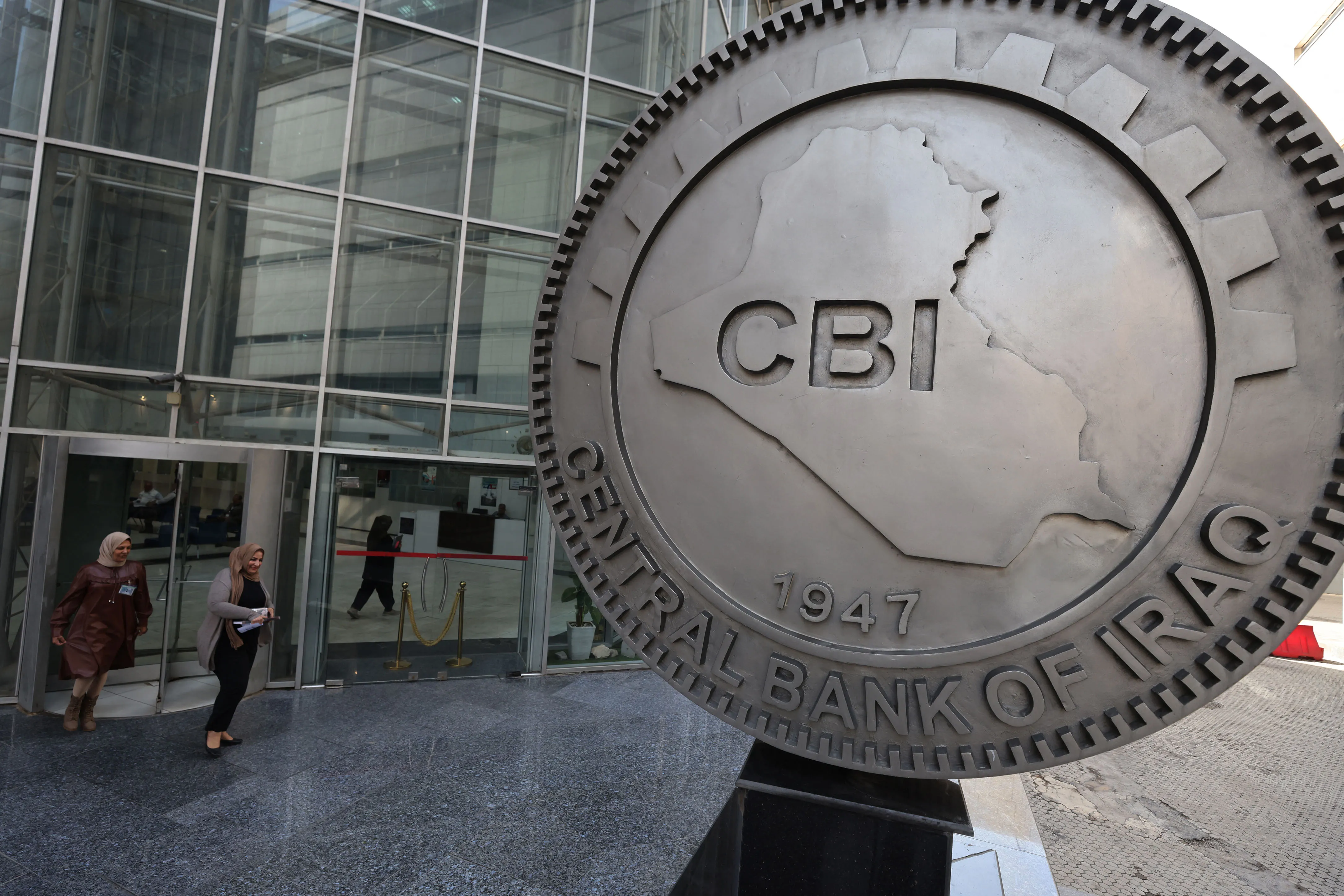
The Central Bank of Iraq has affirmed its commitment to implementing the joint action plan agreed upon with the Financial Action Task Force (FATF) to exit the enhanced monitoring list. This affirmation comes in response to the Group's reports regarding Iraq's status on this list. The Council concerned with combating money laundering and terrorist financing stated, in an official announcement, that the FATF adopted a joint action plan with Iraq during its recent plenary meeting. The statement issued by the Group acknowledged the significant progress made by Iraqi authorities in several measures aimed at combating money laundering and terrorist financing. The statement added that Iraq has made strides in applying stringent market entry controls, with the aim of reducing the access of criminals and terrorists to vital economic sectors. Progress also included strengthening oversight of non-banking financial institutions and the real estate sector, in addition to developing the authorities' understanding of the risks associated with money laundering and terrorist financing. The Council clarified that Iraq will continue its efforts in cooperation with the FATF to implement the comprehensive action plan. This plan includes enhancing risk management, regulating virtual asset service providers, increasing the effectiveness of reporting suspicious transactions, and expanding investigations into money laundering and terrorist financing crimes. Iraqi financial, judicial, regulatory, and security institutions have confirmed their full commitment to implementing the plan's provisions according to defined timelines. This commitment aims to bolster the robustness and stability of the Iraqi financial system and protect the national economy, thereby accelerating the process of exiting the enhanced monitoring list. The statement noted that Iraq's inclusion in the enhanced monitoring process is a standard procedure that several countries have undergone during international assessment rounds. It emphasized that Iraq successfully avoided placement on the blacklist by complying with international standards and addressing identified weaknesses.