policy
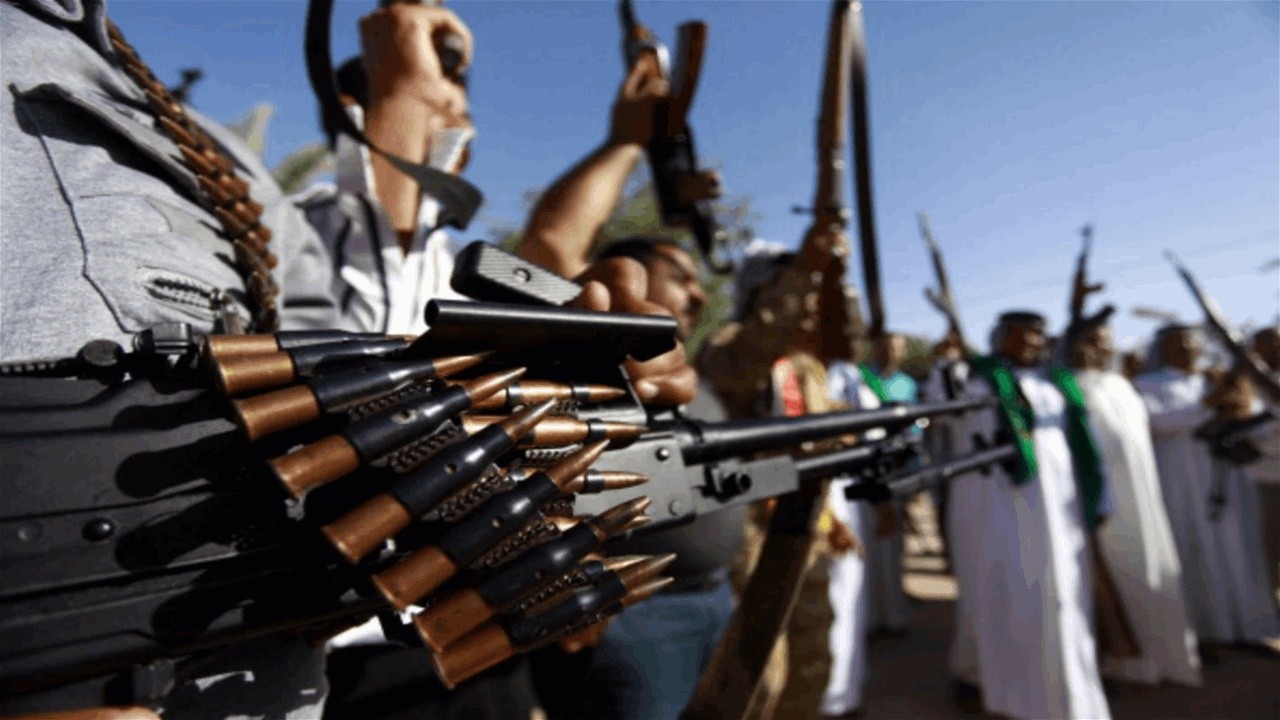
With the Iraqi government setting the end of arms control exclusively in the hands of the state by June 30, 2027, this file is heading to become one of the most sensitive political and security files, especially since the date came after understandings and negotiations between the government and a number of armed factions, and after the previous deadline set for September 30, 2026, had ended without completing the process. The setting of the new date comes at a different stage from previous years, with the end of the international coalition military mission in Iraq on September 30, 2026, which is one of the demands that armed factions previously linked their position on surrendering weapons or integrating their formations within state institutions. But the question that imposes itself in Baghdad is: What will happen if Iraq reaches June 30, 2027, without the government being able to complete arms control? Until now, there is no announced information about a government decision saying that the failure to achieve arms control on June 30 will automatically lead to a specific security measure on the following day. Rather, the announced date came within a gradual negotiating path, as Prime Minister Ali Al-Zaidi spoke of a first phase extending for ninety days during which the factions stop launching attacks, in exchange for not being exposed to American attacks, provided that the arms control process ends completely at the end of June 2027. The spokesperson for the Commander-in-Chief of the Armed Forces, Sabah Al-Numan, also confirmed that the determination of June 30 came as a result of understandings between the government and the factions, and that a committee formed for this purpose reached the timetable in coordination with the relevant parties. Consequently, the expiration of the deadline without complete achievement does not necessarily mean that the government will immediately move to a military confrontation, but rather the file may enter a new phase depending on the nature of the position that the factions, the government, and the political bodies associated with them will take. One of the possibilities raised in the event of non-completion of the process is to extend the time period, especially if the negotiations have made partial progress. This scenario is not far from the nature of the path witnessed by the file during 2026, as the government moved from the date of September 30 to the date of June 30, 2027, after the continuation of negotiations with the factions. Extension practically means the continuation of the negotiation policy, while trying to reach a formula that guarantees the transfer of weapons and military decision-making gradually to state institutions instead of entering into a direct confrontation. However, repeating the extension may in turn open a political debate about the state ability to impose a binding deadline, especially if the successive deadlines turn into new negotiation phases without a final result. The government does not deal with the file as merely collecting rifles, missiles, or drones, but it is also related to the future of thousands of fighters and the organizational structure of the factions. The government has put forward procedures related to reorganizing or integrating faction elements within the state security and military institutions, along with proposals to unify salaries, retirement, and ranks between the armed forces and the Popular Mobilization Authority. It was also pointed out the possibility of providing up to thirty-five thousand jobs in the armed forces and police for those who surrender their weapons within the integration path. Hence, the non-completion of arms control may not necessarily mean the failure of the idea of integrating elements, but may prompt its rearrangement according to new agreements, especially since the issue of weapons is directly related to the future of the armed organizations themselves. If some factions refuse to surrender their weapons, the current situation may continue partially, so that state institutions possess the official armed forces, while some armed organizations retain military capabilities outside the framework of full government command and control. This is the scenario that carries the greatest degree of political complexity, because the problem is not related to the presence of weapons alone, but to who owns the decision to use them and when they can be used and under what leadership. Political figures have warned that setting a strict deadline may complicate negotiations with faction leaders, while others believe that ending the military mission of the international coalition and the withdrawal of foreign forces can help remove one of the arguments used by some factions to refuse to surrender weapons. Reports dealing with negotiations during 2026 indicated that a number of armed factions showed different positions regarding the issue of surrender and integration, while other factions set conditions related to the end of the American military presence and the level of American influence in Iraq. In the event that the government reaches the end of June 2027 without an agreement with major factions, the options available to it will be related to the extent of those factions commitment to the law and state decisions, and the nature of political consensus within the ruling institutions. The government may then start with legal and political procedures before any security option, especially since the use of force against armed organizations with a political and military presence will be a highly sensitive decision, and may lead to wide security and political repercussions. The transition from negotiation to trying to impose disarmament by force can raise the level of tension, especially if some factions consider that government procedures target their political or military presence. The sensitivity of the matter increases due to the possession of advanced military capabilities by some groups, as news agencies indicated that factions possess an arsenal including long-range missiles and anti-aircraft capabilities, in addition to drones. Therefore, any potential confrontation will not be just a limited security operation to collect weapons, but may turn into a broader crisis if the confrontation expands to include state institutions or faction areas of influence. The essence of the arms control project is to establish the principle that the state is the only party that possesses the decision to use military force. In the event that the process is not completed, the question will remain regarding the party that possesses the decision in cases of internal or regional escalation. This matter is also related to Iraq foreign policy, as the presence of armed groups capable of carrying out attacks outside government decision can put Baghdad before diplomatic crises, especially if those attacks lead to military responses on Iraqi territory. Armed factions had previously linked abandoning weapons to the departure of foreign forces, while the government considers that the end of the coalition military mission represents a shift in the environment in which arms control negotiations take place. If the deadline ends without agreement and without subsequent procedures, the debate will not be security alone. The matter will raise a bigger question about the government ability to implement its decisions when it comes to armed forces with political weight. Here, the date of June 30, 2027 may turn from just a date in the negotiation schedule into a political test for the principle of state monopoly on weapons. A research study on the file indicates that the issue of arms control goes beyond the security aspect to the nature of the state itself and its ability to monopolize the use of force, consolidate the rule of law, and regulate the relationship between official institutions and armed factions. The file will not remain entirely Iraqi, even with the end of the coalition military mission. The factions that refuse to surrender weapons link their position to Iraq relationship with the United States, Iran, and the regional conflict. Several reports indicate that some factions rejected the previous deadline and demanded guarantees related to preventing the return of American forces and ending American influence in Iraqi political and economic decisions. Consequently, the success or stumbling of arms control may also be affected by regional developments, the Iraqi-American relationship, and Baghdad ability to convince the factions that a new phase has begun after the end of the coalition military mission. The failure to complete arms control by June 2027 can lead to several overlapping results, rather than one predetermined result. It may mean extending negotiations, expanding integration programs within state institutions, setting new conditions and guarantees, or moving to legal procedures against parties that reject state decisions. In contrast, if negotiations fail and the government decides to impose the process by force, the level of security and political tension may rise, depending on the nature of the factions response and the extent of political consensus on government procedures. As for the most complex scenario, it is represented by the continued presence of weapons outside government control while the factions remain part of the political scene, which makes the issue of state monopoly on force open to new rounds of negotiation. The new date comes after the experience of the previous date in September 2026. According to the Iraqi government, its determination was not an individual decision, but came within understandings with the factions and under the supervision of a committee concerned with the file. Therefore, the importance of the date does not lie only in being an announced final date, but in the fact that it represents the end of an additional period of negotiation. If the government succeeds in reaching a comprehensive agreement, Iraq may begin a phase of rearranging the relationship between the armed factions and the state. If the deadline ends without a result, the question will not only be whether weapons were surrendered, but will become: What tool will the state use after the end of the understandings? Here, the nature of the next phase will be determined according to the factions position, the government readiness to apply the law, the volume of political consensus around it, and the security and regional circumstances at that time. June 30, 2027 is not necessarily an automatic date for the outbreak of confrontation or the issuance of sanctions, but it represents a crucial test point for the path chosen by the Iraqi government to control arms. If the process is completed, Iraq will face an important transition in regulating the relationship between the state and armed factions. If it is not completed, options will range from extending negotiations, reformulating agreements, accelerating integration within state institutions, and resorting to legal procedures, up to more sensitive security options in the event of the blockage of all paths. Thus, the future of the file will not be determined by the deadline alone, but by what the Iraqi government will do on the day following its expiration, and whether the factions will deal with it as a binding date or a negotiable station subject to extension.