Eco
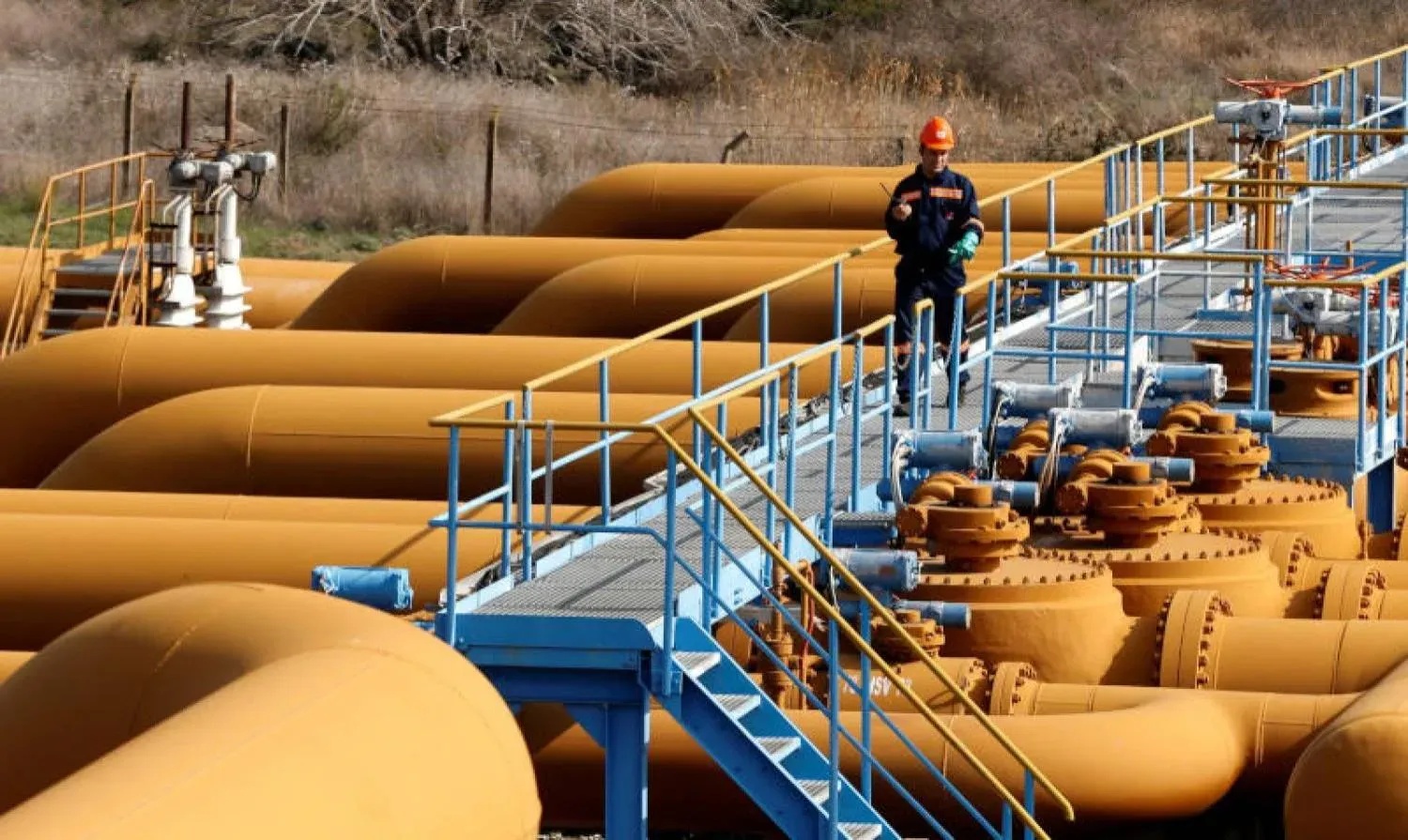
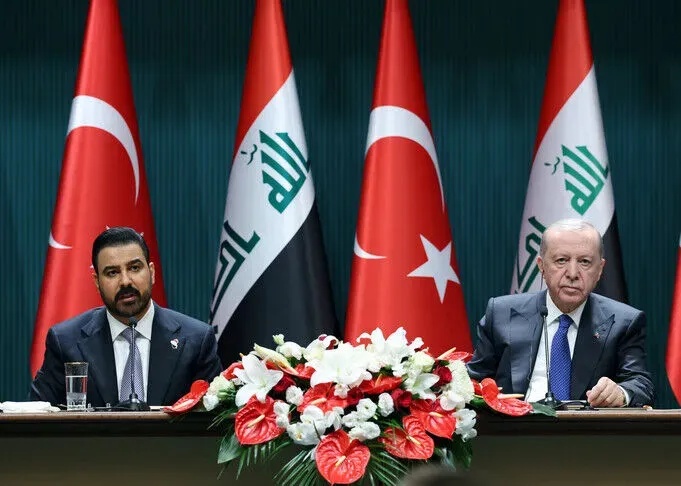
Iraqi Oil Minister Bassem Mohammed Khudeir confirmed an initial export ceiling of 750,000 barrels daily in the official agreement signed with the Turkish Ministry of Energy and BOTAŞ. Khudeir also noted plans to significantly increase exports to 1.5 million barrels daily, under a new framework agreement expected within a year. The Minister explained this move aligns with the government's vision to strengthen economic ties with Turkey. Following the Iraqi Prime Minister's visit, an official Baghdad delegation in Ankara signed an agreement with the Turkish Ministry of Natural Resources and BOTAŞ Petroleum Pipeline Corporation to resume crude oil pumping and export via the Ceyhan pipeline for one year. Khudeir stated the prior Ceyhan oil transport agreement expired on July 26th. Official negotiations between Iraqi and Turkish sides successfully reached this new understanding, ensuring continuous export operations. He affirmed this step is a fundamental pillar for strengthening Iraq's oil industry and securing strategic export outlets. Khudeir noted the current agreement sets a maximum export capacity of approximately 750,000 barrels daily. He reported both sides aim, this year, to draft a new framework agreement based on updating the 1973 accord. This future agreement seeks to raise the export ceiling to 1.5 million barrels per day. The Minister indicated that oil and gas relations with Turkey extend beyond crude transport via Ceyhan, encompassing broader investment. Recent discussions advanced talks on investing in and developing Iraqi fields, alongside potential strategic partnerships between Iraqi and Turkish companies in upstream and downstream sectors. Turkish Minister of Energy and Natural Resources, Alparslan Bayraktar, announced an agreement with Iraq for using the oil pipeline leading to Ceyhan port. The Turkish Minister stated in an official declaration that a fruitful meeting was held at his ministry with his Iraqi counterpart, Bassem Mohammed Khudeir, and his delegation. Subsequently, a one-year agreement was signed between Turkish BOTAŞ and Iraqi state-owned oil companies, SOMO and the Iraqi National Oil Company, to ensure optimal utilization of the crude oil pipeline. Bayraktar added that "while efforts continue to draft a new long-term agreement for this pipeline, which has served as a strategic energy corridor between our countries for nearly half a century, we have activated this transit agreement covering a capacity of up to 750,000 barrels per day." He emphasized this pipeline, ensuring safe and continuous transfer of Iraqi oil to global markets via Ceyhan, now holds paramount strategic importance. He noted this significance grows amid current global oil market developments and their impact on regional and global energy supply security. The Turkish Energy Minister concluded: "Our shared goal is to maximize this robust infrastructure and achieve comprehensive, long-term cooperation. This will inaugurate a new era in the Turkish-Iraqi energy partnership, facilitating the transfer of energy resources from Iraq and the region to global markets via the strategic Ceyhan gateway."