Global
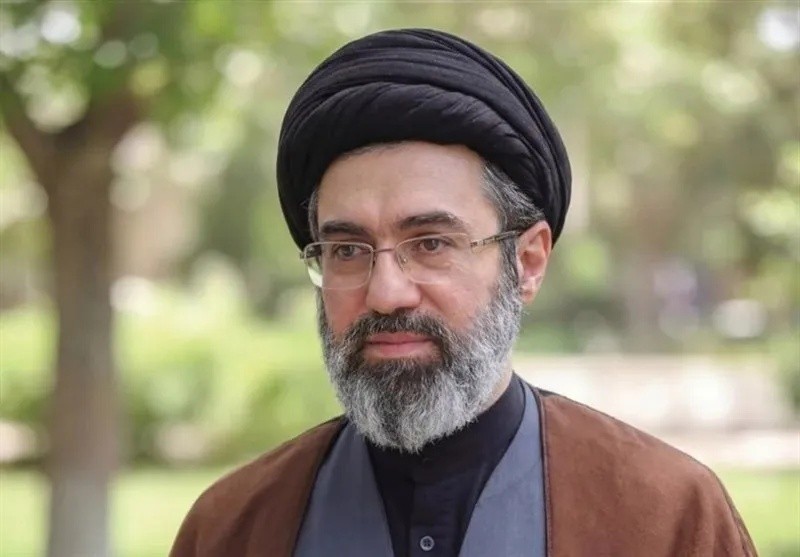
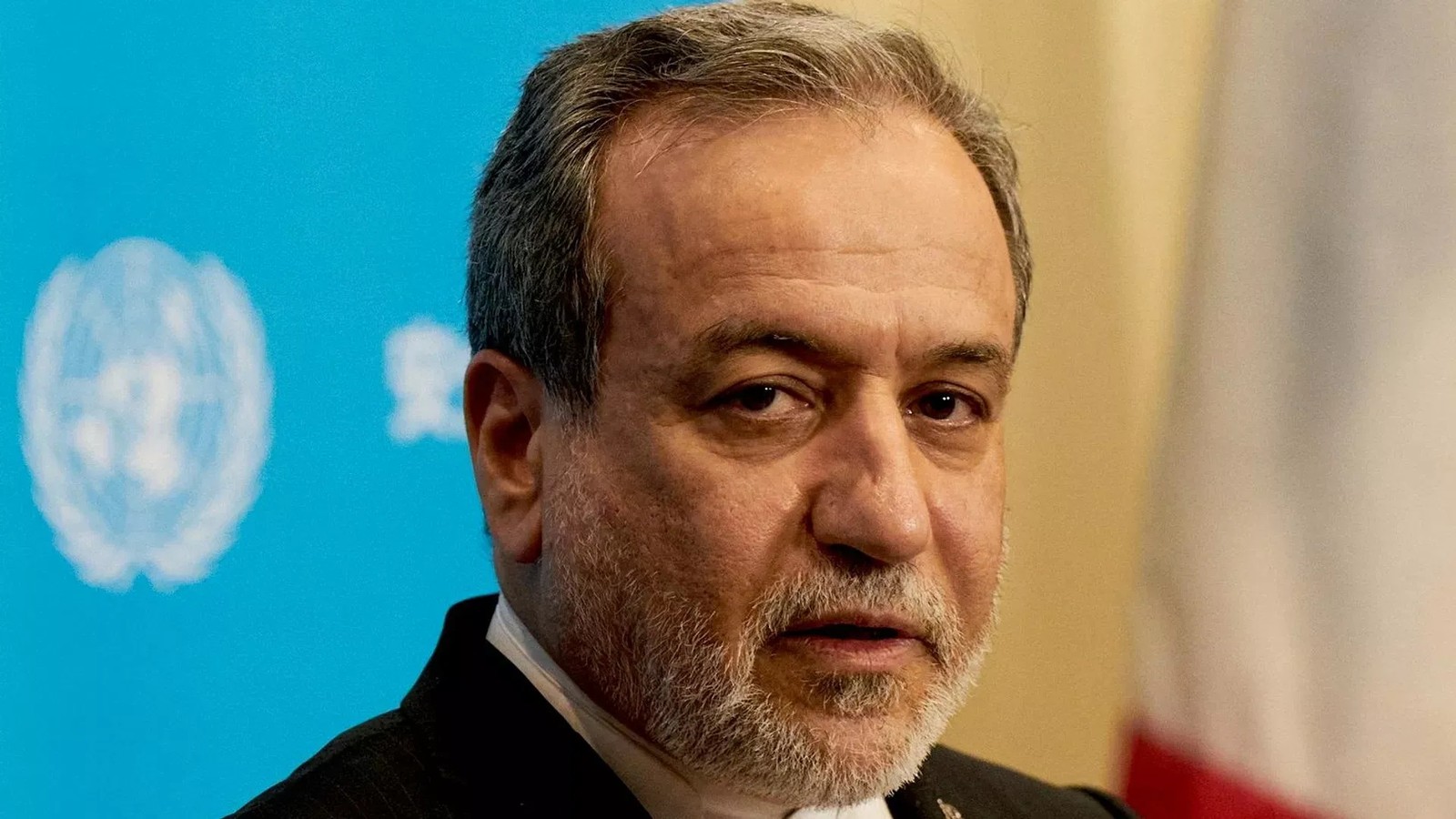
Iranian President Masoud Pezeshkian affirmed that Tehran's new proposal for reopening the strategic Strait of Hormuz was prepared "in coordination" with Supreme Leader Mojtaba Khamenei. He emphasized that the plan would be implemented "without any problems" if it receives U.S. approval. Pezeshkian clarified in a television interview that "coordination took place with the Leader of the Revolution." He added, "If the United States approves the plan and fulfills its commitments, Iran will do the same, and there will be no issue in this regard." The Iranian President also revealed the formation of a six-member team, representing "various organizations and bodies, including the army, parliament, and government." Pezeshkian, who concluded a week of diplomatic talks in New York on the sidelines of the United Nations General Assembly meetings, indicated that this team "convenes to discuss the issues at hand and possesses decision-making authority." Despite these developments, Pezeshkian asserted that the Iranian Leader is in good health and follows all matters, and that his face and legs have healed. He stated that "security risks created by the enemies" are what prevented his public appearance. He also mentioned that he met Khamenei twice, and on one occasion, they discussed various issues for seven hours. However, discussions about forming such a high-level committee come at a time when Mojtaba Khamenei has not appeared publicly since his appointment as successor to his father, Ali Khamenei, who was killed on the first day of the U.S.-Israeli war on Iran. This prolonged absence has reignited speculation about his health. Mojtaba Khamenei has not been seen in public since last March, only issuing written messages that were read out through official media. This has fueled rumors and questions regarding his health status and ability to govern the country. The new Leader sustained severe injuries in the early hours of February 28, when Israel and the United States launched airstrikes that resulted in his father's death. These strikes led to disfigurement of his facial features and fractures in his left leg. His assumption of a critically important religious and political position, amidst Iran experiencing its most severe crisis since its "Islamic Revolution" in 1979, raises increasing doubts due to his continued absence from the public scene.