
Global
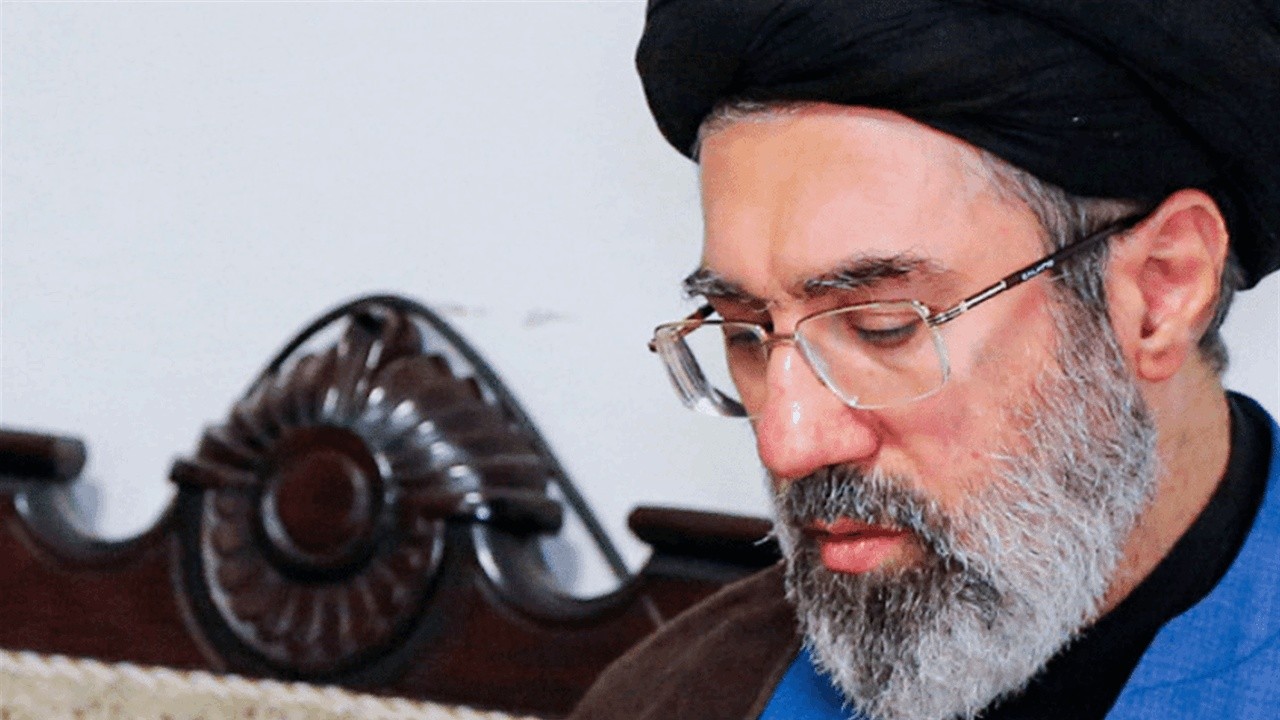
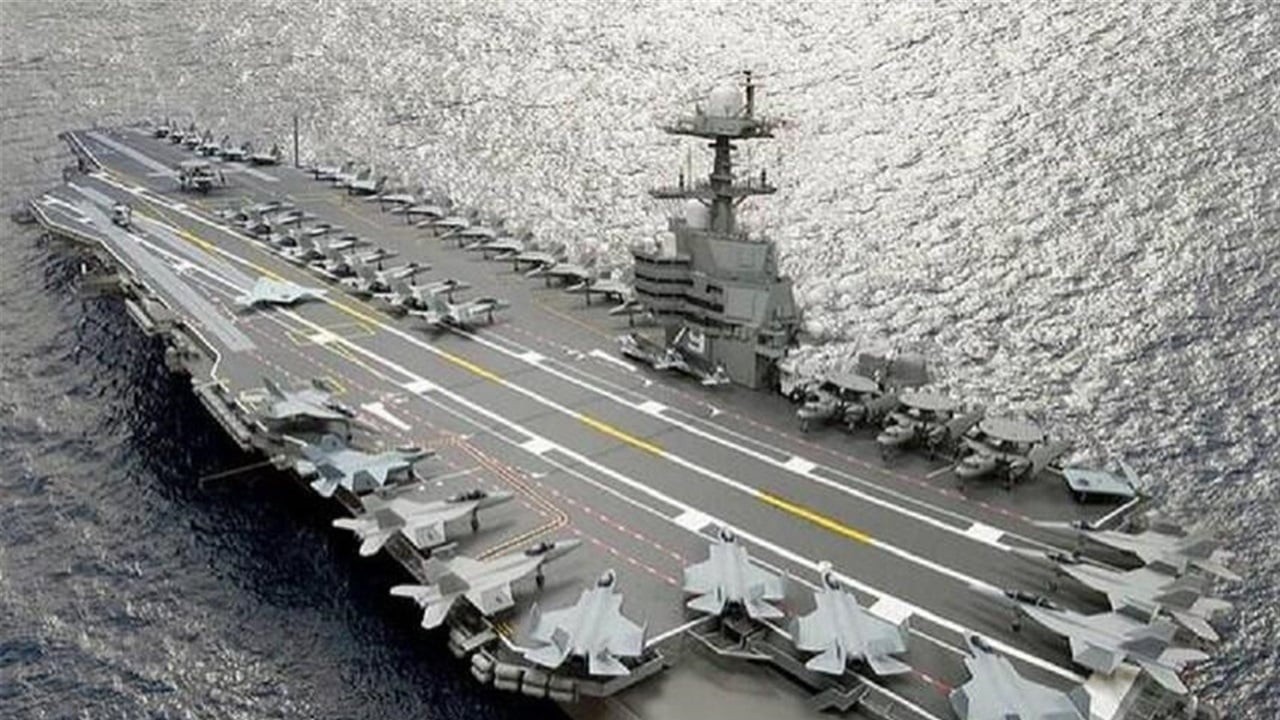
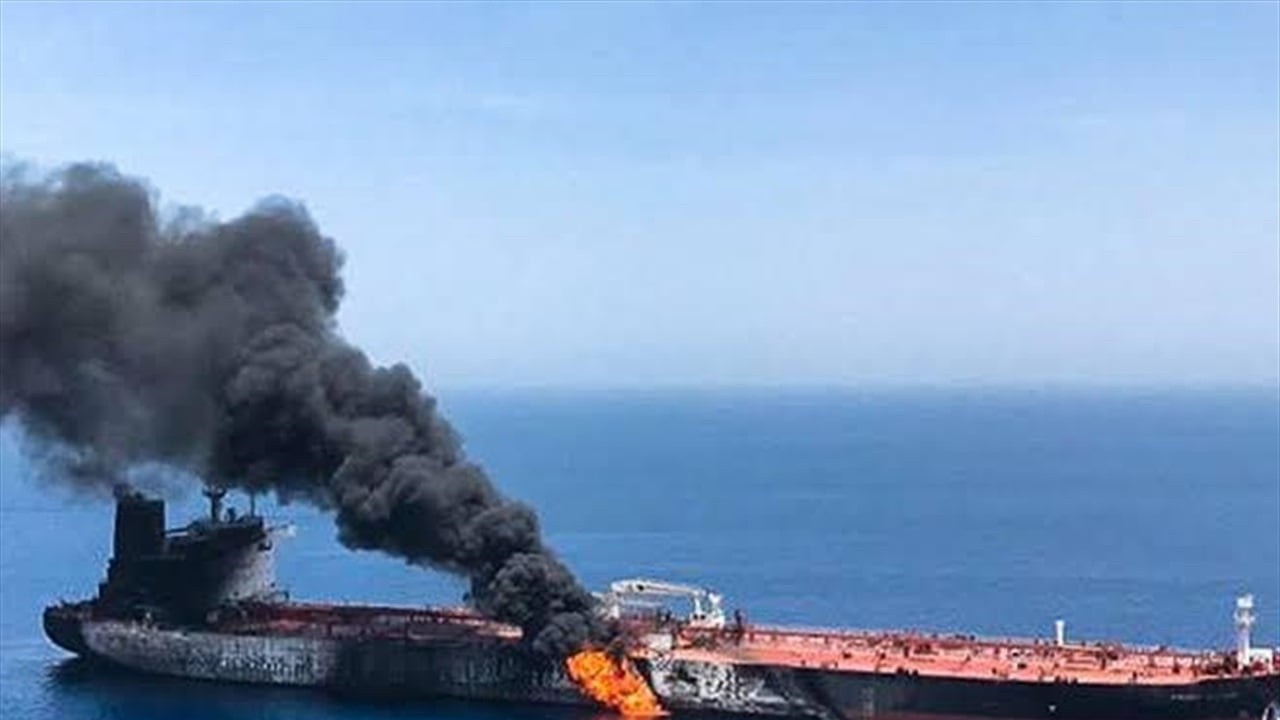
The Iranian Leader, Sayyed Mojtaba Khamenei, warned on Wednesday of expanding the confrontation with the United States if attacks on his country are repeated, considering the developments in the Strait of Hormuz and the targeting of American bases in the region as a shift in the balance of power. He pointed out that Iran's control of the Strait of Hormuz and the destruction of American military bases in regional countries, although responses to aggression and American crimes in the imposed third war, also represent an initial jihad against arrogance at the regional level. He warned that the confrontation "will take much broader dimensions if the attacks are repeated," considering that the developments in the Gulf, especially in the Strait of Hormuz, revealed the false image of the invincible United States and showed the weakness of governments relying on external forces for their security, as well as the inability of major powers to protect their allies. He added that this power, along with the unity of the fronts of truth and the heroic, intelligent, and capable achievements of the resistance front from Palestine and Lebanon to Iraq and Yemen, represents a bright herald for raising the banner of the front of truth and paving the way for a new world order. Regarding relations with Washington, Khamenei said that American hostility towards Iran is no longer linked to specific events or disputes but has turned into a continuous confrontation, accusing the United States of seeking to divide his country, subjugate its people, overthrow its regime, and destroy its civilization. He reviewed a series of American interventions in Iranian affairs, starting from the 1953 coup against Prime Minister Mohammad Mosaddegh, passing through support for the Shah's regime, the Iran-Iraq war, economic sanctions, up to the assassination of the former Quds Force commander Qassem Soleimani and recent military attacks that reportedly resulted in the death of his father, the former Supreme Leader Ali Khamenei, along with several military leaders, scientists, and civilians. The Iranian leader emphasized that Washington seeks to impose "unconditional surrender" on his country, warning that concessions will not end hostility but will encourage the United States to make further demands and launch new wars. He also considered relying on a change in the American administration or shifts in the political balance within the United States as a "big mistake," affirming that changing American behavior cannot be achieved through granting privileges. Khamenei described the military power and international influence of the United States as undergoing an irreversible decline, considering that the decline of American hegemony is accelerating due to recent military and political developments. The term "unity of fronts" refers to a strategy linking confrontation fronts in the region, coordinating military and political moves between Iran and allied armed groups, preventing the isolation of any front from the others. This term emerged during the Palestinian confrontations in 2022 and expanded after the outbreak of the Gaza war on October 7, 2023, to include the Lebanese Hezbollah, pro-Iranian armed factions in Iraq, and the Ansar Allah group (Houthis) in Yemen, which engaged in the confrontation through attacks on Israel and targeting navigation in the Red Sea. In Iraq, the concept is linked to factions operating within what is known as the "Islamic Resistance in Iraq," which carried out attacks on bases hosting American forces in Iraq and Syria, in addition to declaring operations against Israeli targets, while the Iraqi government affirms its rejection of turning the country's territory into a theater for regional conflicts.