
Global
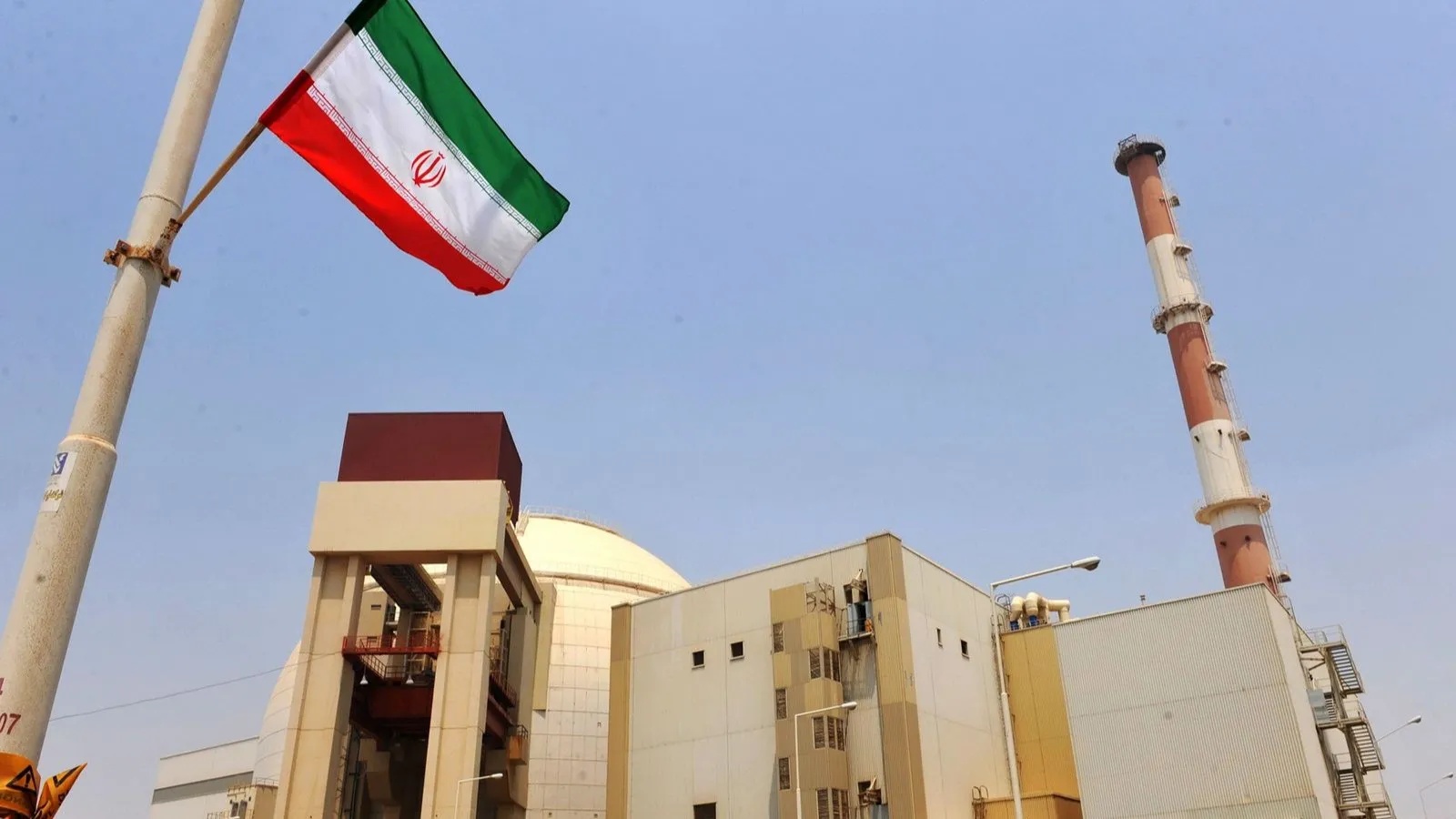
Iranian authorities permitted experts from the UN's International Atomic Energy Agency (IAEA) to visit the Bushehr nuclear power plant this week. Concurrently, Tehran continued obstructing inspectors' efforts to verify its enriched uranium stockpile's status and location. Despite the IAEA welcoming the "Bushehr" visit, its report noted persistent concerns about Iran's uranium enrichment to near weapons-grade levels. This stockpile, sufficient for about 12 warheads, has not been verified for a full year. A confidential 10-page report, reviewed by Bloomberg, revealed that while inspectors conducted a three-day visit to Bushehr, "the Agency received no information from Iran regarding the status of its other declared nuclear activities." IAEA Director General Rafael Mariano Grossi reiterated his demands for Tehran to allow inspectors to resume work, urging a negotiated resolution to the deadlock between major powers and Iran. Grossi stressed that "the long-standing problem and recurring crises must be resolved through a long-term, verifiable diplomatic agreement." IAEA inspection activities declined by over half last year, following new restrictions imposed by Iran after a 12-day conflict involving US-Israeli bombardment of its nuclear sites. To date, inspectors have not returned to damaged facilities in Fordow, Isfahan, and Natanz, where Iran's last observed stockpile of 440.9 kilograms of highly enriched uranium and 8599.6 kilograms of less enriched materials was located. Two senior diplomats familiar with the report believe the recent US-Israeli-Iran conflict created new nuclear dilemmas. The diplomats, requesting anonymity due to sensitivity, indicated that the continued presence of these materials outside IAEA safeguards heightens the risk of their diversion for non-peaceful uses. While the White House asserts Iran's nuclear program is "completely destroyed," it has sought negotiations on uranium stockpile access. Former US President Donald Trump proposed on various occasions either exporting these materials or rendering them unusable domestically under IAEA supervision. As a critical IAEA Board of Governors meeting nears in Vienna on June 8, markets closely monitor new information on Iran's nuclear program. Notably, the US and Israel attacked Iran, sparking the current conflict, less than 24 hours after the Agency's February 27 report indicated activity near subsequently bombed nuclear sites. The June 2025 strikes also occurred one day after the Board reprimanded Iran for obstructing inspectors.