
Global
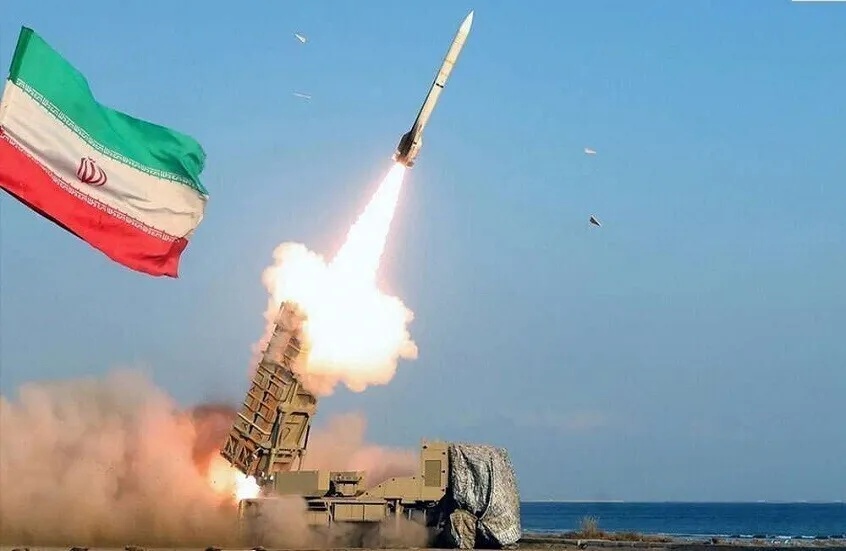
Iran's Kheybar Shekan missile features an advanced, jam-resistant guidance system, reportedly designed in a style reflecting Chinese models, potentially posing a new threat to multi-layered air defense systems like Patriot, THAAD, and Arrow. Recent images of Kheybar Shekan missile debris, published in early August, indicate Tehran has integrated an anti-jamming Satellite Navigation System (CRPA) with a maneuvering warhead. Experts confirm this innovation significantly enhances strike accuracy and the missile's ability to resist electronic warfare, especially against complex missile defense systems. An analytical report suggests Iranian engineers may have utilized imported equipment or modified commercial technologies. While the CRPA antenna resembles Chinese models, available information doesn't directly prove Beijing's involvement or an approved technology transfer agreement. The Kheybar Shekan is a solid-fueled missile, launched from a transporter erector launcher, with a range of approximately 1,450 kilometers. These capabilities enable the Aerospace Force of the Iranian Revolutionary Guard Corps to target vast areas across the Middle East. Integrating satellite correction and jam-resistance helps reduce cumulative inertial navigation errors during flight. This enhances the missile's capability to accurately strike vital targets such as airbases, command centers, radar stations, logistical hubs, and missile defense batteries. According to open-source estimates, Iranian satellite-guided missiles sometimes achieve accuracies of tens of meters. Thus, any incremental improvement in precision can achieve a significant military effect. Targeting individual radar arrays, hardened shelters, or runway intersections requires far higher accuracy than wide-area attacks on industrial zones. Furthermore, the maneuvering warhead, capable of changing trajectory in the final flight phase, complicates interception, challenging enemy air defense systems. Nevertheless, the report indicates developed technologies don't automatically guarantee penetration of multi-layered air defense systems. However, coordinated missile salvos, trajectory modifications, and stealth tactics could help more missiles bypass highly protected areas. Analysis of recovered debris suggests the current development represents an "evolutionary rather than revolutionary leap." Yet, it clearly shows how field combat experience, commercially available navigation technologies, and ongoing regional rivalry have contributed to Iran's improved capability to counter Western-developed air and missile defense systems. Iran first unveiled the Kheybar Shekan missile in February 2022, announcing its development by the IRGC specifically to penetrate missile defense systems.